In the world of cable news, where a fierce on-air debate is a daily staple, the lines between a spirited argument and a personal attack can sometimes blur. But every so often, a moment occurs that not only captures the raw tension of the studio but also serves as a microcosm of the nation’s political divide. Such was the case on a recent episode of Fox News’s “The Five,” when co-host Jessica Tarlov, the show’s lone liberal voice, delivered a blunt and uncomfortable challenge to her conservative colleagues, exposing a deeply rooted double standard that is rarely confronted so directly on live television.
The segment began with a discussion of recent controversial moves by Republican Donald Trump. Tarlov, known for her sharp wit and ability to articulate a counter-argument, posed a simple but powerful hypothetical to her four co-hosts. She asked them to imagine how they would react if a Democratic president—someone like Barack Obama or Joe Biden—were to engage in the very same actions as Trump. She listed a series of recent events: a president showing a lack of respect for Congress, the deployment of the National Guard to cities, and the “shaking down” of private businesses. These actions, she argued, would undoubtedly trigger outrage from the conservative media and political establishment if they came from a Democrat.
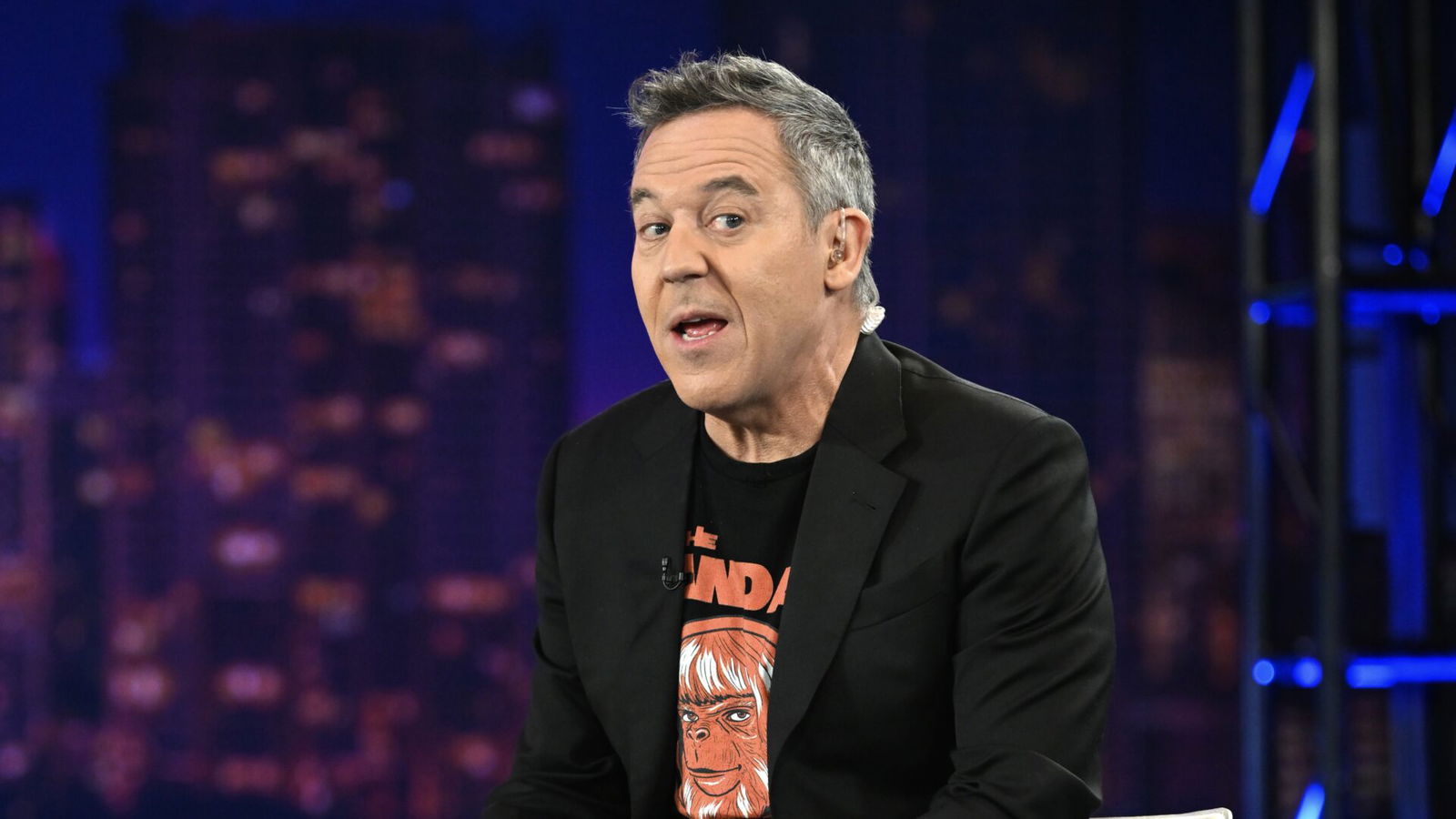
The reaction from her colleagues was swift and defensive. Co-host Greg Gutfeld immediately dismissed her premise, accusing her of “applying your bias to every one of these things” and then expecting them to agree. But Tarlov held her ground, refusing to let the conversation devolve into the typical back-and-forth. “I am just giving you exactly what Donald Trump is doing but in the form of Barack Obama,” she insisted. She pressed her point further: “Let’s say a Democratic president said, ‘I would like to control what goes in our museums, I would like to control American life on campuses.’ You would be losing your mind.”
It was a direct hit, and it landed with the force of an uncomfortable truth. Gutfeld, sensing he was losing the argument, tried to pivot away, claiming they could “play this dystopian universe forever.” But Tarlov wasn’t letting go. She looked him in the eye and delivered the core of her argument: “You know that if a Democratic president was doing any of these things, you would be outraged.”

This is where the conversation took an ugly and deeply personal turn. Gutfeld, unable to counter her point with a reasoned argument, resorted to a patronizing and sexist retort. “You can’t read my mind,” he said. And when she replied, “I know you well enough,” he responded with a line that has since ignited a firestorm: “Typical chick.” The phrase, delivered with a dismissive smirk, was an attempt to belittle her argument and discredit her based on her gender. It was a clear violation of the unspoken rules of professional debate, and Tarlov’s response was immediate and righteous: “You have now absolutely gone too far.”
The exchange, brief as it was, has become a defining moment in the public discourse about political hypocrisy and the state of cable news. For many, it perfectly encapsulated the frustration of trying to have a good-faith argument with an opponent who refuses to acknowledge their own biases. Tarlov’s point was simple: we often judge actions based on who is performing them, not on the actions themselves. It’s a reality that exists on both sides of the political spectrum, but it is rarely called out with such precision and on such a public platform.
The incident is also a powerful reminder of the challenges faced by those who try to present an opposing viewpoint on partisan networks. Tarlov’s role as the “token liberal” on “The Five” is a delicate one, requiring a balance of intellectual rigor, a thick skin, and a willingness to withstand constant pushback. Her ability to articulate a clear, concise argument that exposes her colleagues’ hypocrisy is a testament to her skill as a political commentator. But Gutfeld’s retort shows the dark side of that dynamic. When an opponent’s argument becomes too difficult to refute, the conversation can easily turn to personal attacks, patronizing language, and the kind of sexist remarks that have no place in a professional setting.
The reaction to the exchange has been a predictable split along political lines. Tarlov’s supporters have praised her for her courage and clarity, hailing her as a hero who stood up to a bully. They argue that Gutfeld’s comment proves her point—that his inability to respond with substance led him to resort to a low-blow insult. Critics of Tarlov and her network, meanwhile, see it as just another example of the toxic environment that defines cable news, a space where genuine debate has been replaced by performative outrage and scripted conflict.
For Gutfeld’s defenders, the comment was likely seen as a harmless joke, a quick way to end a conversation he didn’t want to have. But for many, it was a deeply offensive and unprofessional line that revealed a deep-seated contempt. It was a patronizing dismissal that had nothing to do with the substance of the argument and everything to do with her gender. It’s a familiar tactic, one that seeks to invalidate a woman’s perspective by framing it as emotional or irrational.
The incident is more than just a momentary blip on the news cycle. It’s a reflection of a much larger problem in American political discourse. The ability to engage in civil, reasoned debate has been replaced by a culture of tribalism and hostility. The idea of holding one’s own side accountable for its actions is often seen as an act of betrayal. And when someone dares to break the unspoken rules, the response can be ugly and personal. For Jessica Tarlov, this wasn’t just a debate about politics; it was a showdown about integrity, hypocrisy, and the power of a woman’s voice in a world that is still too quick to dismiss it. And in that moment, she won.