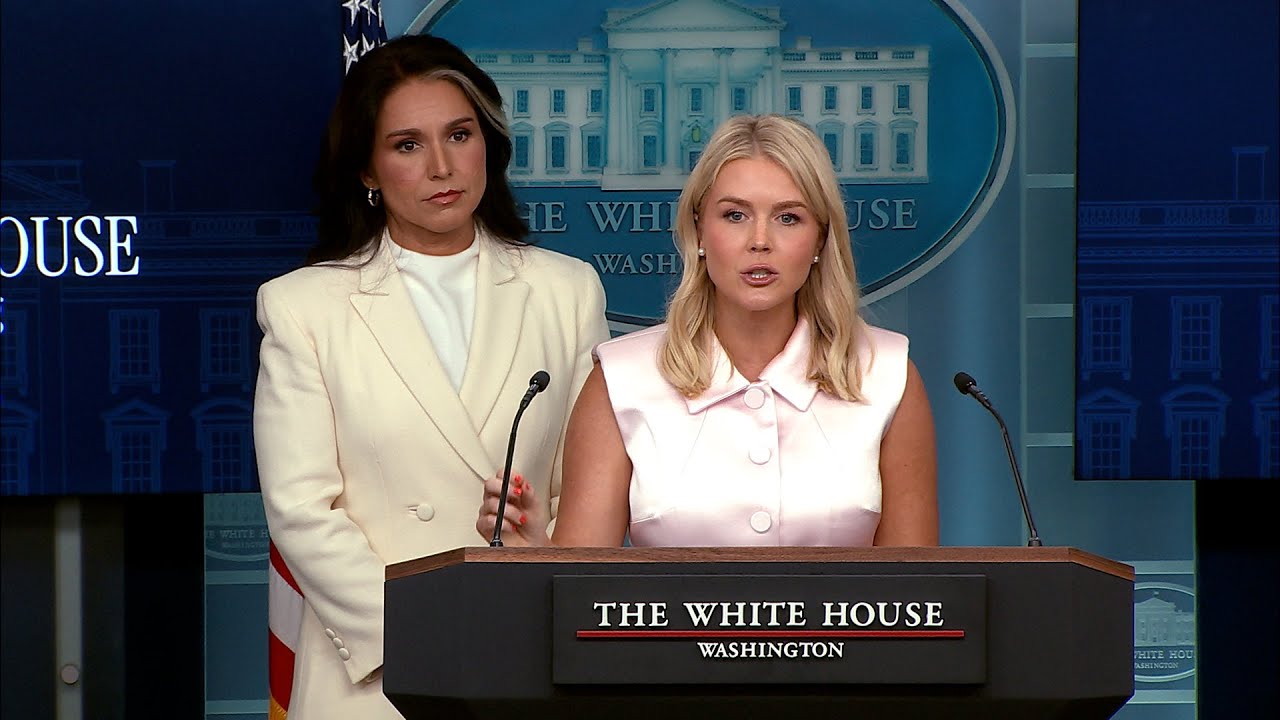
The culture war over transgender athletes has been a simmering, often vicious, conflict for years. But this month, it boiled over into a full-blown political inferno. The catalyst was a one-two punch of celebrity condemnation and official government endorsement, with a transgender athlete named Hannah Mouncey caught squarely in the crossfire. First, author J.K. Rowling accused her of attempting to “cheat.” Then, White House Press Secretary Karoline Leavitt delivered the knockout blow, publicly agreeing with Rowling and labeling Mouncey a “cheating man.”
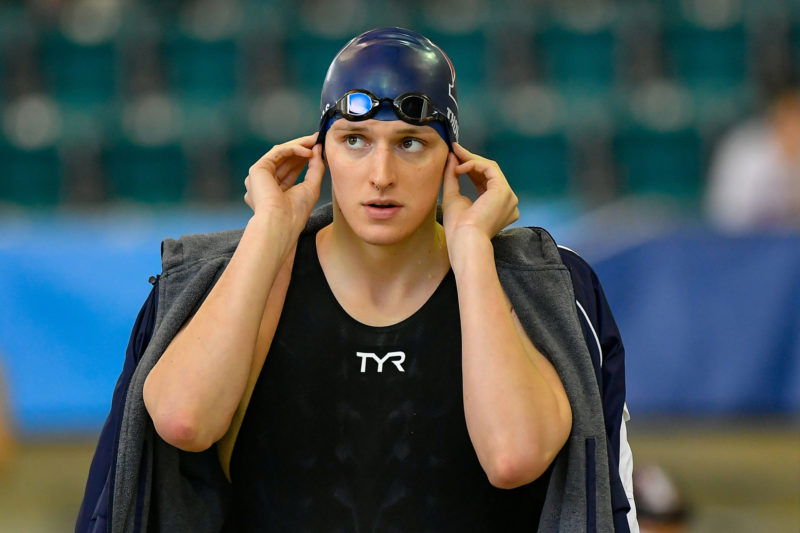
Leavitt’s statement—“She’s not wrong”—was more than just an opinion; it was a declaration. It transformed a heated social media debate into a matter of official U.S. policy, linking the controversy directly to the Trump administration’s executive orders banning transgender women from female athletics. Suddenly, the deeply personal journey of one athlete became the symbol of a global battle, pitting the values of fairness and safety against the principles of inclusion and human rights. With the 2028 Los Angeles Olympics on the horizon, the fight for the future of women’s sports has never been more urgent.
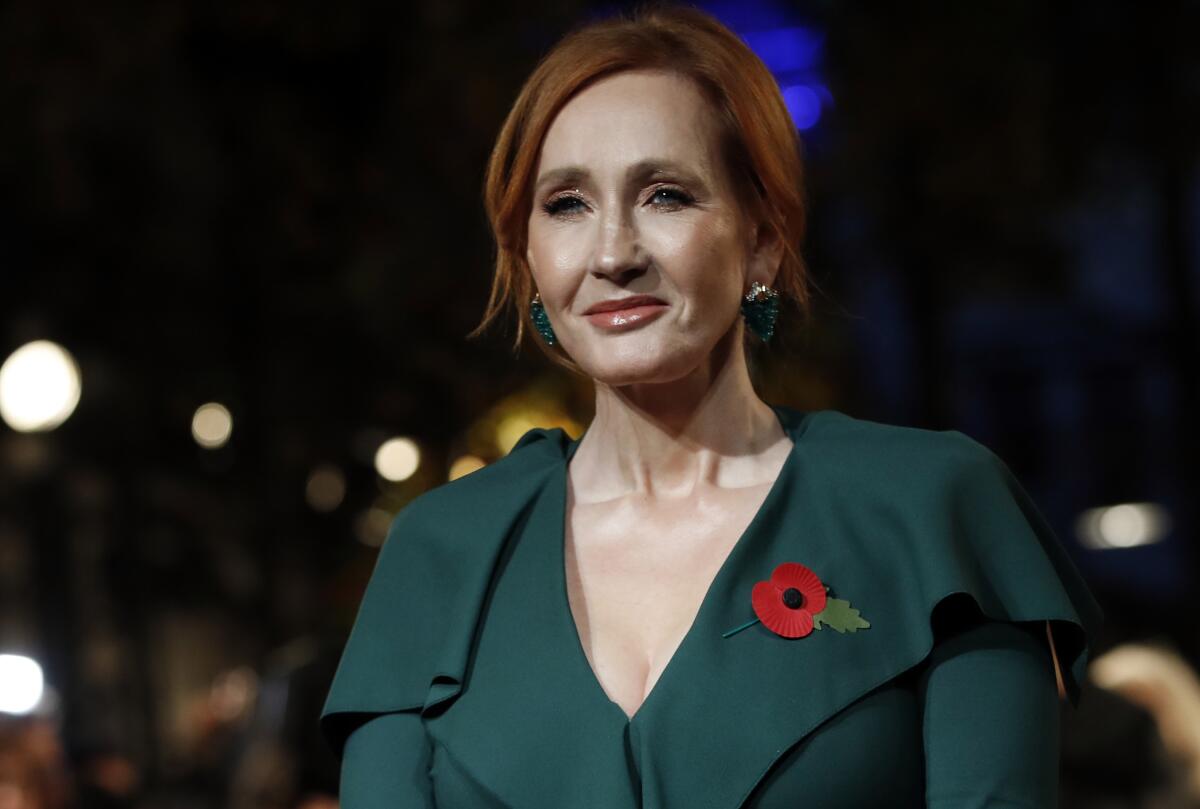
The fire was lit by J.K. Rowling. In a post on August 15, the Harry Potter author, who has become a leading voice for gender-critical feminism, took direct aim at Mouncey, a handball player who has represented her country in both male and female categories. Rowling claimed a “biological male” was trying to “cheat his way” into the Olympics, arguing that such participation robs cisgender women of their rightful opportunities and compromises the integrity of their sports.
At the center of this storm is Hannah Mouncey, a person whose story is far more complex than the political caricatures suggest. Standing over six feet tall, Mouncey competed in men’s handball before her transition. After beginning hormone therapy in the mid-2010s, she meticulously followed every rule set forth by sporting bodies to qualify for women’s competitions. She met the International Olympic Committee’s (IOC) testosterone threshold of 10 nmol/L and later the International Handball Federation’s stricter 5 nmol/L standard. As she has consistently argued, if a widespread biological advantage existed, the results would show a pattern of trans athletes dominating their fields. “You don’t see it,” she has stated, pointing to a reality that is often ignored in the debate.
But nuance has been erased from this conversation. Leavitt’s endorsement at a White House briefing solidified the issue as a key plank in the conservative political platform. “You can’t claim to support women and then force them to compete against men,” she asserted, framing the administration’s ban as a necessary extension of Title IX. Her words resonated with a significant portion of the public. A 2025 New York Times/Ipsos poll found that 79% of Americans, including a majority of Democrats, oppose the participation of transgender women in female sports.
The case for restriction, championed by figures like Rowling, Leavitt, and former NCAA swimmer Riley Gaines, is built on the argument of retained male advantage. They point to scientific studies indicating that even after years of hormone suppression, trans women often retain significant advantages in bone density, muscle mass, and lung capacity. Citing this science, major governing bodies like World Athletics and World Aquatics have already implemented outright bans on transgender women in elite female competitions. The argument is simple: if the female category is to mean anything, it must be protected on the basis of biological sex.
On the other side, advocates for inclusion argue that the debate is about fundamental human rights. They contend that the existing rules, which require strict and regularly monitored testosterone suppression, are more than sufficient to mitigate any potential advantage. They point out that natural biological advantages are celebrated in sports—from Michael Phelps’s wingspan to Usain Bolt’s stride—and that singling out transgender athletes is discriminatory. For them, this is not just about medals; it is about providing access to the community, camaraderie, and mental health benefits that sport offers, especially for a marginalized group. “Trans women are women,” one advocacy group stated simply, “and excluding them from sport denies them not just opportunity, but community.”
Now, this deeply divisive issue is on a collision course with the world’s biggest sporting event. The 2028 Olympics in Los Angeles will force a potential showdown between the laws of the host nation and the rules of international sport. If the U.S. federal government enforces a ban on transgender athletes, will the IOC and international federations comply? Could athletes like Hannah Mouncey be denied visas? Might entire countries boycott the games in protest?
The IOC has promised a review of its transgender policy in 2026, but finding a consensus seems nearly impossible. The organization is caught between two powerful, opposing forces: activists demanding unwavering inclusion and a growing chorus of female athletes demanding what they see as fair play.
Lost in the political maelstrom is the human being at its center. For years, Hannah Mouncey has endured intense public scrutiny, discomfort from teammates, and refusal from opponents to play against her. Her career has been reduced from that of a dedicated athlete to a political symbol. Whether one views her as a courageous pioneer fighting for her right to exist or a threat to the integrity of women’s sports, her story is a poignant reminder that behind every policy, poll, and political statement is a person whose life and dreams hang in the balance.