The sound of a joke landing in a packed, sweaty rock club is usually followed by a wave of laughter, a cheer, or perhaps a groan. For British punk-grime artist Bob Vylan, his latest joke was followed by something else entirely: a deafening digital roar and the sound of international borders slamming shut. In a stunningly rapid sequence of events, Vylan has gone from a provocative, critically acclaimed musician to a cultural pariah with a revoked U.S. visa, a collapsing European tour, and a career suddenly in mortal jeopardy. His story is a quintessential 21st-century parable about how a few ill-chosen words can ignite a global firestorm, and how the consequences in our fractured world are swifter and more brutal than ever.
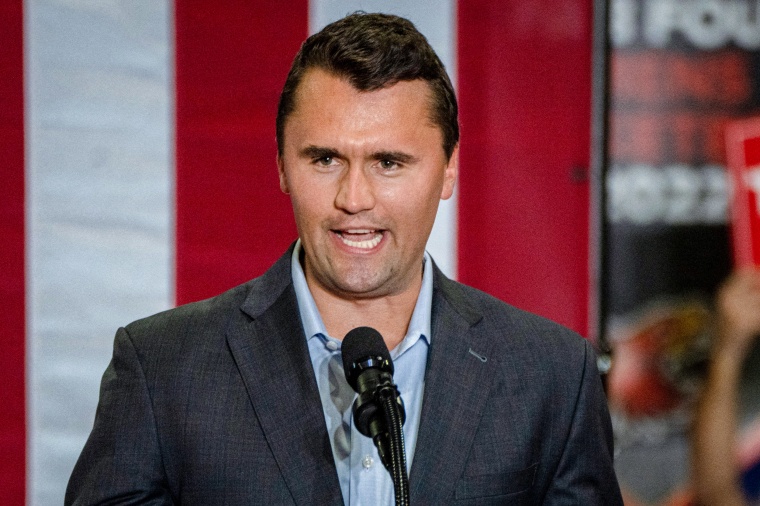
The fuse was lit just days after the assassination of Charlie Kirk, the 31-year-old founder of Turning Point USA. The murder of the conservative firebrand in Utah had plunged the United States into a state of shock and mourning, a moment of profound national grief that temporarily transcended political lines. The news was a constant, somber presence on every screen, a fresh and bleeding wound on the American psyche. It was into this atmosphere of raw, collective pain that Bob Vylan stepped onto a stage in the U.K.
Known for a brand of music built on confronting uncomfortable truths about racism and politics, provocation is Vylan’s stock-in-trade. But what he did next crossed a line that many, including some of his own fans, didn’t know existed. According to eyewitnesses and viral clips, Vylan smirked as he referenced Kirk’s murder, making light of the tragedy and seemingly reveling in the news.
In a different era, the comments might have remained a local controversy. In 2025, they became an immediate global incident. The digital backlash was ferocious. Kirk’s supporters and millions of others horrified by the callousness of the remarks flooded social media with condemnation. Within 72 hours—a breathtakingly short period—the consequences became real and tangible. Sources confirmed that the U.S. government had revoked Vylan’s performance visas, effectively exiling him from the world’s most lucrative music market.
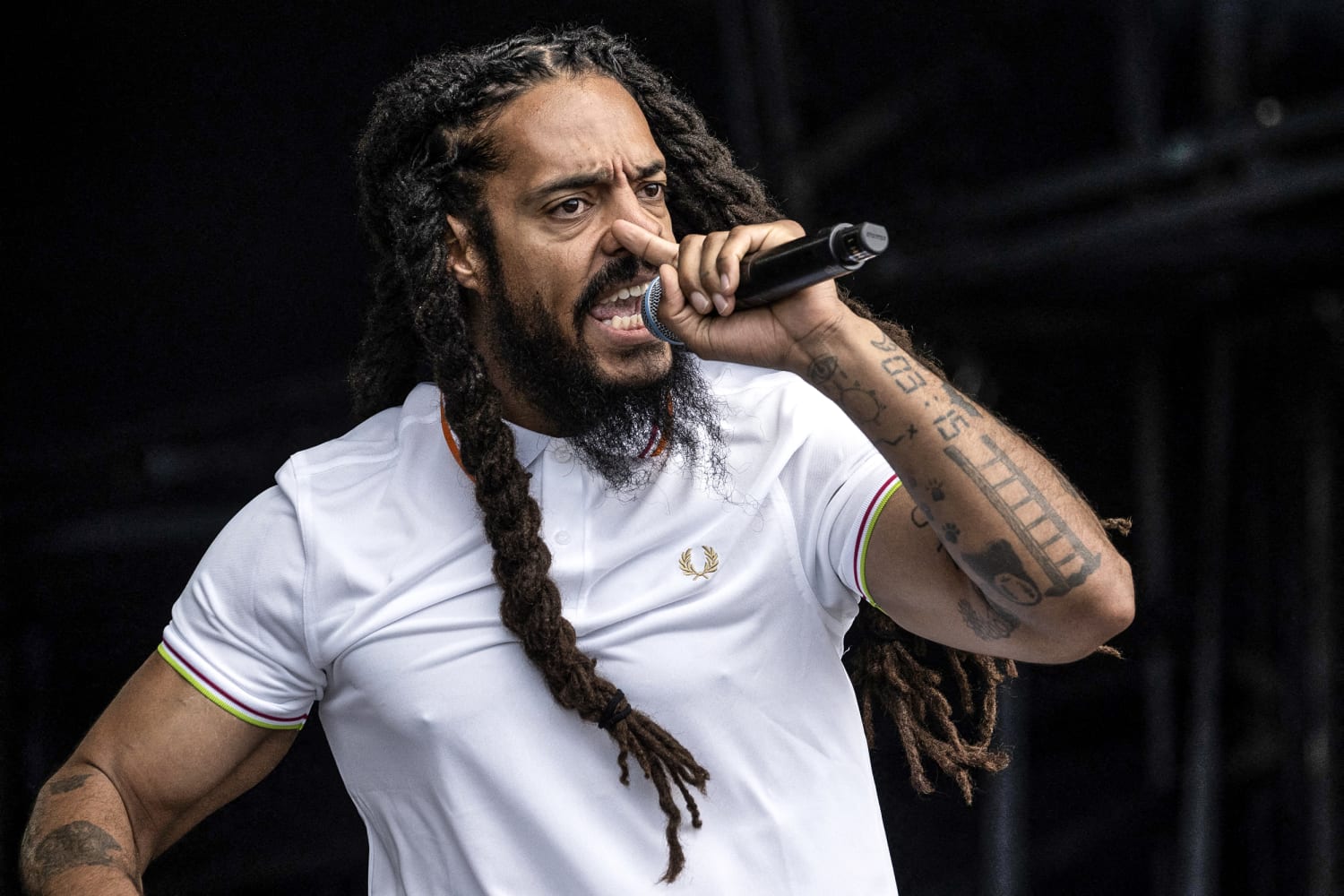
As the crisis escalated, Vylan took to Instagram with a defense that only intensified the inferno. “I was just joking around. I didn’t think people would take it seriously,” he wrote. His statement, which notably lacked any hint of an apology, was an attempt to frame a cruel mockery as a simple miscalculation. He then shared a bizarre anecdote about being punched in the face years ago for a distasteful joke, a story that seemed to prove he was already well aware that words have consequences, making his current predicament feel less like a mistake and more like a deliberate, failed gamble.
This incident has reignited the timeless debate over free speech, but with a modern, globalist twist. While the U.S. First Amendment protects citizens from government censorship, it offers no such shield to non-citizens seeking the privilege of entry. Bob Vylan is free to say whatever he wishes on a stage in his home country, but the U.S. government is equally free to deem his conduct and character unfit for a visa. This is the crucial distinction at the heart of the matter: freedom of speech has never meant freedom from consequence.
The fallout for Vylan is a career catastrophe. Losing access to the U.S. market is a devastating financial blow, but the damage is far deeper. Festival organizers in Europe, wary of the toxic publicity, are now reportedly reconsidering his bookings. His reputation, once defined by a righteous, anti-establishment anger, is now tainted by an association with base cruelty. Punk rock is supposed to challenge the powerful, but mocking the murder of a political opponent—while his family was in deep mourning—struck many as a betrayal of that ethos. It wasn’t punching up; it was dancing on a grave.
This is hardly a new phenomenon, but the speed and severity of the consequences are. Comedian Kathy Griffin saw her career implode after posing with a mock severed head of Donald Trump, but she was an American citizen. Bob Vylan’s case demonstrates how for international artists, the levers of consequence are much closer and can be pulled with permanent, life-altering results.
Ultimately, the story of Bob Vylan’s professional exile is a snapshot of our deeply fractured cultural moment. It’s a world where the lines of acceptable discourse are redrawn daily, where the internet acts as a global jury, and where a single ill-conceived joke can become a career funeral. For the grieving supporters of Charlie Kirk, it is a small measure of accountability. For defenders of absolute artistic freedom, it is a chilling precedent. And for Bob Vylan, it is the most brutal lesson of his life: some jokes aren’t just bad—they’re devastating.