For years, Blake Lively and Ryan Reynolds have cultivated an image as Hollywood’s golden couple. They are witty, beautiful, impossibly charismatic, and masters of the public sphere, building an empire on a carefully crafted brand of relatable perfection. But behind that glittering façade, a storm has been brewing, and it has now erupted into a full-blown, scorched-earth legal war that is threatening to shatter their reputations and expose the brutal, high-stakes reality of power in modern Hollywood. A lawsuit that began with shocking allegations of sexual harassment on the set of Lively’s film “It Ends With Us” has mutated into a ruthless spectacle of multi-million dollar countersuits, alleged smear campaigns, and a desperate battle over the private text messages of Taylor Swift.

The first tremor hit on December 20th, 2024, when Blake Lively filed a formal complaint accusing the film’s director, Justin Baldoni, and his studio of fostering a hostile and unsafe work environment. The allegations were specific and deeply disturbing. Lively claimed Baldoni sexually harassed her, making inappropriate comments about his sex life, improvising unwanted kissing scenes, and, in one particularly egregious instance, entering her trailer uninvited while she was breastfeeding. She further alleged that when she confronted him, the studio mobilized its PR machine not to address her concerns, but to suppress them.
In the post-#MeToo era, these allegations alone were enough to ignite a firestorm. But what happened next transformed a serious dispute into a bare-knuckle brawl. In January 2025, Baldoni fired back, not with a simple denial, but with a legal nuclear option: a staggering $400 million countersuit. He claimed Lively’s accusations were entirely fabricated, a malicious and coordinated smear campaign orchestrated by Lively, her husband Ryan Reynolds, and her publicist. His suit alleged that their true motive was to hijack creative control of the film, destroy his reputation, and use civil extortion to get their way.
With that, the battle lines were drawn. This was no longer just a he-said, she-said; it was a war of mutually assured destruction, waged in the courts and, more importantly, in the court of public opinion.
The legal maneuvering that followed has been as aggressive as the initial accusations. In a significant victory for Lively, a judge in June 2025 dismissed Baldoni’s $400 million claim, ruling that her statements were legally privileged under California’s robust civil rights laws, which are designed to protect those who speak out against harassment. The judge found that Baldoni had failed to prove that Lively or Reynolds had acted with “actual malice.” But the war was far from over.
Baldoni’s legal team, in a move that screamed of high-stakes strategy, sought to widen the battlefield by demanding access to private communications between Blake Lively and one of the most powerful and private celebrities on the planet: Taylor Swift. The implication was clear—they were searching for evidence of a coordinated campaign, and they were not afraid to drag other A-listers into the fray to get it. Lively’s team fought furiously to keep the texts private, but a judge ultimately ordered them to be turned over, albeit sealed from public view. The move was a masterstroke of PR warfare, ensuring that headlines would now be filled with tantalizing speculation about what secrets the private messages of global superstars might hold.
This case has become a textbook example of how modern legal battles are fought not just with evidence, but with narratives. Both sides have wielded their legal filings as press releases, each one crafted to paint the other as the villain. Lively’s team has framed her as a courageous whistleblower, a woman standing up to a powerful man and a complicit system, protected by laws designed to empower victims. Baldoni’s camp has portrayed her as a manipulative and calculating star, using the noble language of the #MeToo movement as a weapon to further her own creative and financial ambitions.
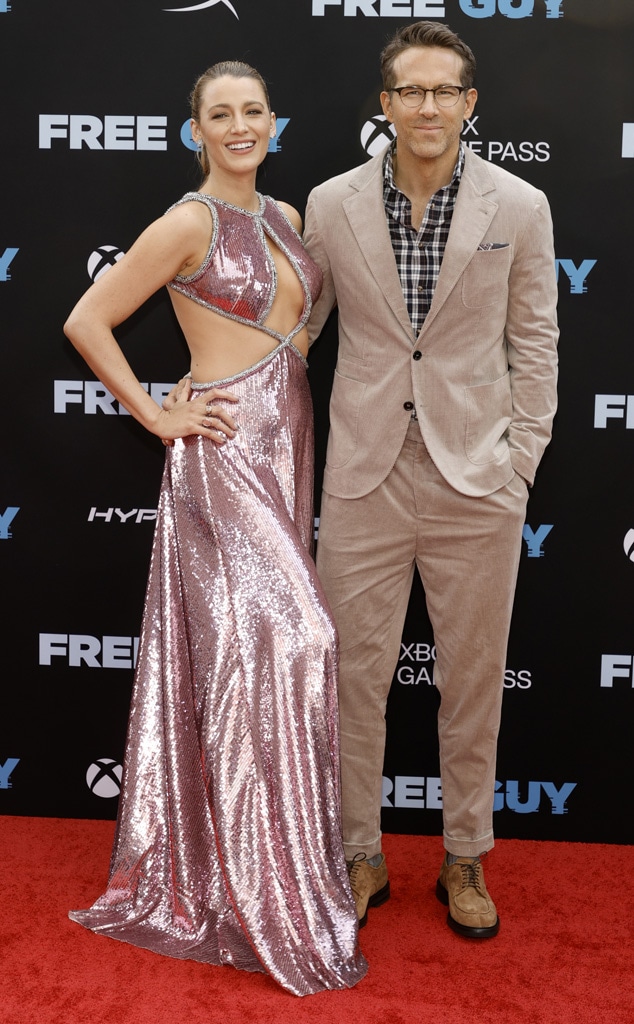
The fallout has been swift and divisive. Hollywood has been forced to take sides. Stars like America Ferrera and Amber Tamblyn have publicly voiced their support for Lively, lending their credibility to her cause. However, the author of the book upon which the film is based, Colleen Hoover, has faced intense backlash from her own fanbase for her involvement, a sign of the collateral damage this fight is inflicting.
Perhaps most tellingly, industry executives are now reportedly hesitant to work with any of the principal figures involved. The toxicity of the dispute has made Lively, Reynolds, and Baldoni radioactive. The fear of being dragged into the ongoing legal drama, or being associated with the now-tarnished brands, is a risk many in the risk-averse studio system are unwilling to take. This reveals the brutal reality of such a public fight: regardless of who is legally vindicated in the trial scheduled for March 2026, all parties may emerge from this with their careers permanently damaged. The golden couple’s carefully polished image has been irrevocably cracked, and the dream project has become a cautionary tale.
The case is now a landmark, a crucial test of the new rules of engagement in Hollywood. It will set a precedent for how far accusers are protected when they speak out, and how aggressively the accused can fight back without being seen as retaliating. As the discovery phase continues to unearth more private communications, the entertainment world is watching and waiting. Will the truth be served, or will the ruthless game of PR and public perception be the only real winner?