The world of professional sports thrives on passion, loyalty, and fierce competition. But when a star player’s dramatic mid-season exit is followed by accusations of “cyberbullying” against a jilted fanbase, the narrative shifts from athletic prowess to a deeper, more uncomfortable conversation about accountability and fragile egos. This is the saga currently engulfing WNBA star DeWanna Bonner, whose controversial departure from the Indiana Fever has ignited a firestorm of criticism and exposed a raw nerve in the league.
Bonner, a respected veteran, left the Indiana Fever mid-season, citing “personal reasons.” What initially appeared as a quiet exit soon unraveled into a much more public spectacle, revealing a meticulously planned “great escape” to Phoenix—a city where her wife, Alyssa Thomas, also plays. This calculated move, according to many critics, came after Bonner was reportedly removed from the starting lineup in favor of Lexie Hull, a perceived slight that allegedly “shattered her fragile ego.” The narrative painted a picture of a player who “doesn’t talk to the team, doesn’t talk to the players, doesn’t talk to the front office,” instead orchestrating her departure behind the scenes.

The manner of Bonner’s exit immediately drew a significant backlash. Fans, who had showered her with admiration and support, felt betrayed. They had invested emotionally in a player who, by all accounts, appeared to quit on her team. Her performance for the Fever, before her departure, was notably subpar, with critics pointing to an abysmal shooting streak and a general failure to convert in crucial moments. “You had one good game for the Indiana Fever,” one analyst noted, emphasizing the stark contrast between her perceived value and her on-court contribution during her brief, tumultuous tenure.
Upon her return to Indiana as an opponent, Bonner was met with a chorus of boos from the very fanbase that once cheered her name. This visceral reaction, typical in the emotionally charged world of sports, was met with an unexpected response from Bonner herself. In a post-game interview after the Phoenix Mercury advanced to the finals, Bonner reflected on her season, stating, “I don’t know if I’ve overcome it yet… it’s been tough. I’ve been through a lot, especially like the cyberbullying and things like that.”
This single phrase ignited a fresh wave of outrage, with many accusing Bonner of “gaslighting” and attempting to deflect from her own actions. Critics were quick to point out the stark difference between genuine cyberbullying—a serious issue involving targeted harassment and threats—and fans reacting to a professional athlete’s controversial departure. “DeWanna Bonner didn’t get cyberbullied. Fans called her out for her nonsense,” one commentator asserted. “Fans called her out for being a quitter. Fans called her out for running to her boo thing at Phoenix.”
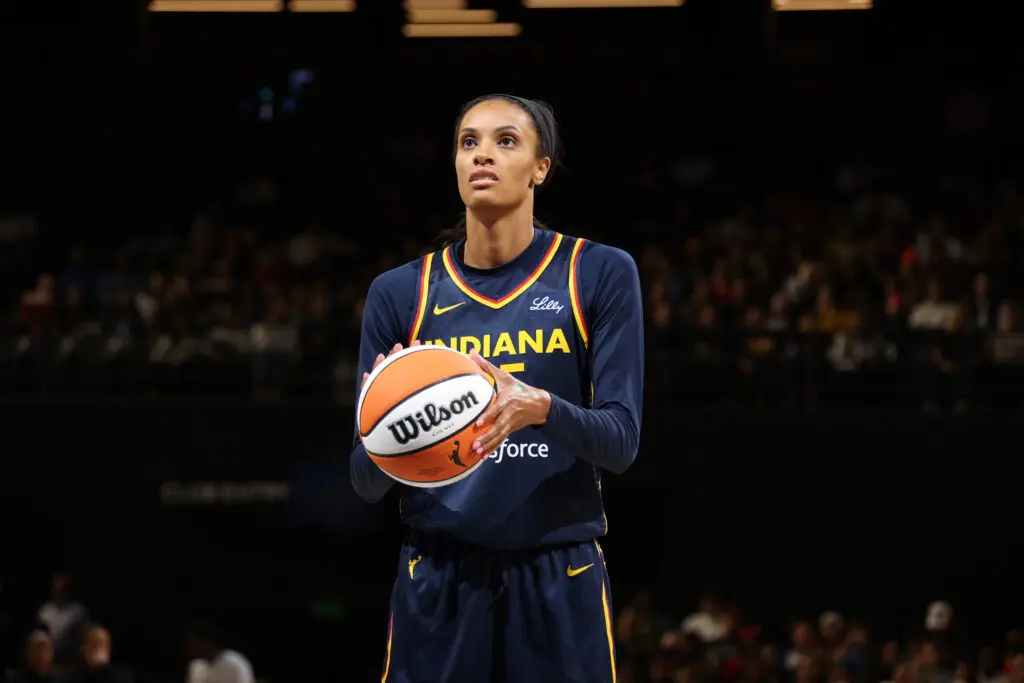
The core of the argument against Bonner’s cyberbullying claims revolves around accountability. Sports fans, particularly those who are deeply invested, expect a certain level of commitment and transparency from their athletes. When a player is perceived to have quit on a team, especially one that offered a “max contract,” the subsequent fan reaction is often one of disappointment and anger, not unprovoked harassment. “If you’re not a quitter then what is the definition of what you did then?” was a common sentiment echoing across social media platforms.
The controversy also sparked a broader discussion about how female athletes are perceived and criticized compared to their male counterparts. Some analysts suggested that many WNBA players, accustomed to a niche corner of the sports world where scrutiny was less intense, are now struggling to cope with the increased attention and, by extension, the heightened criticism. “Cyberbullying, aka people finally paying attention to your sport and offering criticism like every male athlete has received since the invention of sports talk radio,” one commentator quipped, adding, “they can’t handle it. They don’t want it.” The implication being that the “free pass is over,” and with increased visibility comes increased accountability, regardless of gender.
Many see Bonner’s move as a calculated maneuver—a player accepting a max contract with Indiana, only to orchestrate her way out to a more personally convenient location. The perception is that she prioritized her personal relationship and comfort over her contractual obligations and loyalty to the Fever. This “calculated” approach, while potentially beneficial for Bonner, has left a bitter taste in the mouths of fans and pundits alike, who view it as a cynical exploitation of the league’s growing prominence.
As the WNBA continues to gain mainstream attention, stories like Bonner’s are becoming increasingly significant. They highlight the growing pains of a league grappling with new levels of scrutiny and the evolving expectations placed on its athletes. While the conversation around player welfare and online harassment is vital, many argue that it should not be used as a “shield” to avoid legitimate criticism for professional conduct.
The saga of DeWanna Bonner serves as a stark reminder: in the arena of public opinion, actions speak louder than words, and a “special whistle” from the referees holds far less weight than the judgment of a fanbase that feels truly betrayed. As the Indiana Fever, against all odds and riddled with injuries, continue their improbable journey, the contrast between their grit and Bonner’s controversial exit becomes ever more pronounced.
News

I Hid 20 Freezing Bikers From a Blizzard. The Next Morning, I Woke Up to a Roar That Shook My Entire House.
Chapter 1: The Invisible Woman The wind didn’t just blow that night; it screamed. It was a sound that tore through the cracks in the walls and settled deep in your bones. I stood by the kitchen window, watching…

I Fixed A Billionaire’s Broken Prototype With A Wrench. The Next Morning, A Black Hawk Helicopter Landed In My Trailer Park.
Chapter 1: The Ghost in the Machine The copper-colored sun was dying behind the thick clouds, casting long, bruising shadows across Woodbury Meadows. It was the kind of light that made everything look old. The trailer park smelled of…
They Thought She Was Just A Lonely Customer. When The Biker Touched The Waitress, The Navy Commander Broke Her Silence—And His Arm.
Chapter 1: The Ghost in the Corner The morning fog rolled thick off the Atlantic, blanketing the streets of Port Haven in a ghostly shroud. It was the kind of heavy, wet mist that muffled sound and made the…
They Mocked A Paralyzed Veteran And Kicked Her Wheelchair, Unaware They Just Woke Up The Most Dangerous Assassin The Military Ever Created.
CHAPTER 1: THE GHOST OF PINE VALLEY The phantom pain was bad today. It felt like fire was licking at ankles that hadn’t been there for three years. Alex Winters adjusted her position in the wheelchair, her face remaining…
They Thought He Was Just A Frail Old Man Alone At A Truck Stop. But When The Gang Leader Spat In His Coffee, He Didn’t Flinch—He Just Made One Phone Call That Unleashed A Trap 20 Years In The Making.
Chapter 1: The Wolf at the Door The evening sun cast long, amber shadows across the cracked pavement of the Crossroads Truck Stop. It was a place out of time, situated on a lonely stretch of Interstate 40 where…

Navy Admiral Mocked A Single Dad Janitor In Front Of Everyone—Then He Learned The Man’s “Call Sign” And The Whole Base Froze.
Chapter 1: The Ghost of Coronado The morning fog still clung to the coastline of Coronado, a thick gray blanket that muffled the roar of the Pacific Ocean. Inside the primary administrative building of the Naval Base, the silence…
End of content
No more pages to load