In a stunning and rapid decay of public discourse, House Minority Leader Hakeem Jeffries (D-N.Y.) and White House Press Secretary Karoline Leavitt have engaged in an open war of words, trading deeply personal insults as a painful government shutdown stretches into its 17th day.
The firestorm ignited on Friday morning when Jeffries, addressing the ongoing shutdown spurred by a stalemate over Affordable Care Act subsidies, unloaded on the White House’s chief spokesperson.
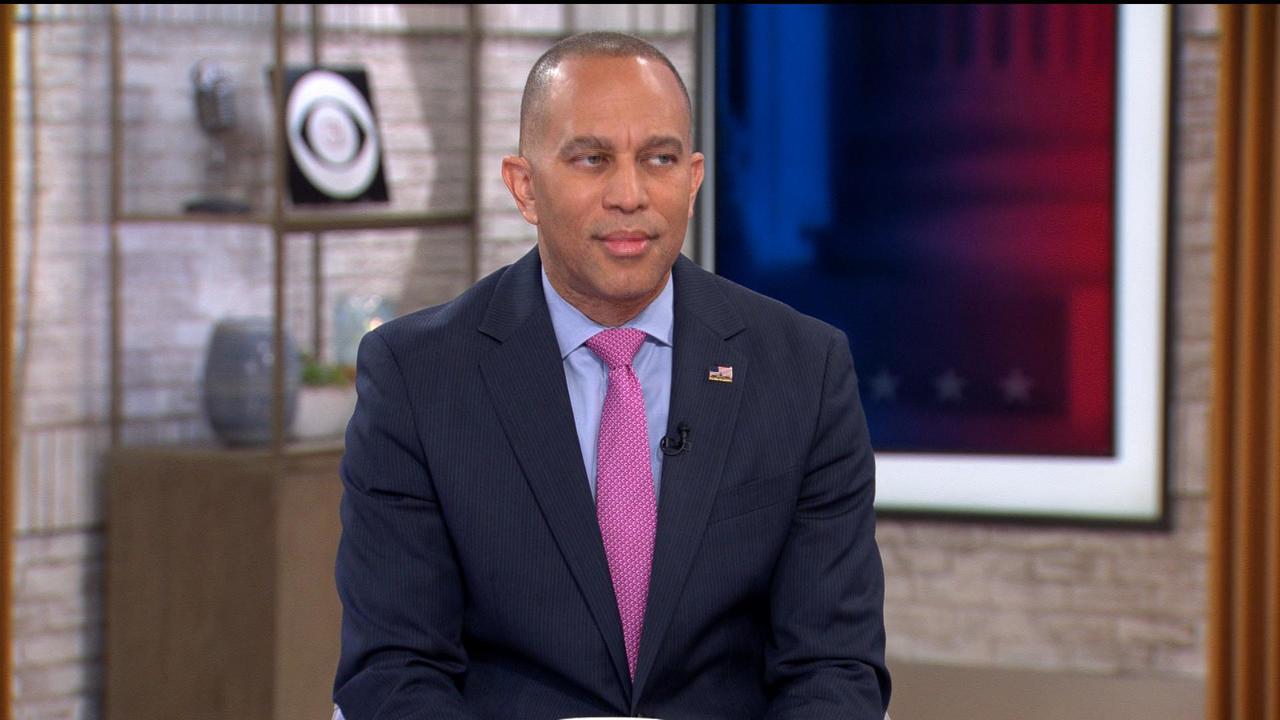
“And then you got Karoline Leavitt, who’s sick,” Jeffries told reporters, his frustration palpable. “She’s out of control, and I’m not sure whether she’s just demented, ignorant, a stone-cold liar or all of the above.”
The blistering personal attack was a direct response to comments Leavitt made a day earlier on Fox News. While being asked about the White House’s stance on a New York City mayoral candidate, Leavitt launched into a staggering assertion about the entire Democratic party.
“The Democrat party’s main constituency is made up of Hamas terrorists, illegal aliens and violent criminals,” Leavitt stated. “That is who the Democrat party are catering to.”
She continued, contrasting this with the GOP: “Not the Trump administration and not the White House and not the Republican Party, who is standing up for law-abiding Americans.”
The remark, which effectively labels tens of millions of American voters as terrorists and criminals, drew immediate condemnation from Democratic leaders. Jeffries, speaking for his caucus, framed Leavitt’s comment as a sign of a dysfunctional administration.
“This is what the American people are getting from the Trump administration in the middle of a shutdown,” Jeffries said. “So their actions continue to speak for themselves, which is why they’re on the wrong side of public sentiment.”

Instead of issuing a clarification or walking back the incendiary remarks, Leavitt not only confirmed them but escalated the conflict exponentially. In a statement to Fox News Digital, she aimed her fire directly back at Jeffries.
“Democrats do NOT serve the interests of the American people,” Leavitt said, doubling down. “Hakeem Jeffries is an America Last, stone-cold loser. Now open up the government and stop simping to try to get your radical left-wing base to like you.”
The use of terms like “stone-cold loser” and the bizarre, juvenile slang “simping” by an official White House press secretary to describe the House Minority Leader marks a new low in political rhetoric. It signals a complete departure from the norms of professionalism that typically govern communication between the White House and Congress, regardless of partisan rancor.
This behavior from Leavitt, however, appears to be part of a deliberate pattern. Her spat with Jeffries comes on the heels of another baffling exchange with a reporter. When HuffPost asked her a simple, logistical question about an upcoming meeting between President Donald Trump and Russian leader Vladimir Putin in Budapest—”who picked Budapest?”—Leavitt’s official response was: “Your mom did.”
This pattern of trolling, name-calling, and aggressive unprofessionalism from the White House podium has replaced traditional press relations with open media warfare.
The backdrop to this verbal brawl makes the spectacle all the more grotesque. While Leavitt and Jeffries trade insults like “demented” and “loser,” the federal government remains partially closed. The shutdown, now in its third week, was triggered by a legislative impasse over ACA subsidies, leaving federal workers without pay and citizens without full government services.
The bitter feud provides a stark, split-screen reality for the American public: a government in crisis, led by officials who seem more interested in landing a viral insult than in finding a legislative solution. While past political eras have seen harsh debates, the current exchange feels different—less like a fight over policy and more like a collapse of basic decorum.
The descent from policy disagreement to personal slander—labeling opponents as “sick” or “terrorists,” and congressional leaders as “losers”—demonstrates a political environment where winning the news cycle with a shocking soundbite has become more important than the act of governing itself. As the shutdown continues with no end in sight, the American people are left to watch the leaders in Washington, D.C., call each other names, seemingly oblivious to the real-world consequences of their own dysfunction.
News
I Hid 20 Freezing Bikers From a Blizzard. The Next Morning, I Woke Up to a Roar That Shook My Entire House.
Chapter 1: The Invisible Woman The wind didn’t just blow that night; it screamed. It was a sound that tore through the cracks in the walls and settled deep in your bones. I stood by the kitchen window, watching…

I Fixed A Billionaire’s Broken Prototype With A Wrench. The Next Morning, A Black Hawk Helicopter Landed In My Trailer Park.
Chapter 1: The Ghost in the Machine The copper-colored sun was dying behind the thick clouds, casting long, bruising shadows across Woodbury Meadows. It was the kind of light that made everything look old. The trailer park smelled of…
They Thought She Was Just A Lonely Customer. When The Biker Touched The Waitress, The Navy Commander Broke Her Silence—And His Arm.
Chapter 1: The Ghost in the Corner The morning fog rolled thick off the Atlantic, blanketing the streets of Port Haven in a ghostly shroud. It was the kind of heavy, wet mist that muffled sound and made the…
They Mocked A Paralyzed Veteran And Kicked Her Wheelchair, Unaware They Just Woke Up The Most Dangerous Assassin The Military Ever Created.
CHAPTER 1: THE GHOST OF PINE VALLEY The phantom pain was bad today. It felt like fire was licking at ankles that hadn’t been there for three years. Alex Winters adjusted her position in the wheelchair, her face remaining…
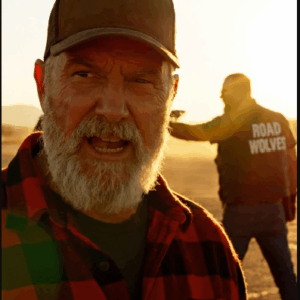
They Thought He Was Just A Frail Old Man Alone At A Truck Stop. But When The Gang Leader Spat In His Coffee, He Didn’t Flinch—He Just Made One Phone Call That Unleashed A Trap 20 Years In The Making.
Chapter 1: The Wolf at the Door The evening sun cast long, amber shadows across the cracked pavement of the Crossroads Truck Stop. It was a place out of time, situated on a lonely stretch of Interstate 40 where…

Navy Admiral Mocked A Single Dad Janitor In Front Of Everyone—Then He Learned The Man’s “Call Sign” And The Whole Base Froze.
Chapter 1: The Ghost of Coronado The morning fog still clung to the coastline of Coronado, a thick gray blanket that muffled the roar of the Pacific Ocean. Inside the primary administrative building of the Naval Base, the silence…
End of content
No more pages to load