The world of professional women’s basketball is teetering on the edge of a civil war, and its brightest new star, Caitlin Clark, has been unwillingly cast as a central figure in the escalating conflict. Tensions that have simmered beneath the surface for years are now boiling over, pitting players against the league’s highest office and threatening to derail the WNBA’s hard-won momentum. At the heart of the storm are accusations of disrespect, manipulation, and a fundamental disconnect between the athletes who drive the game and the leadership steering the ship.

The situation has become so volatile that many within the league are describing it as a “civil war,” a battle for the soul and future of the WNBA. The league’s commissioner, Kathy Engelbert, finds herself at the epicenter of the controversy, with her leadership and alleged private comments sparking outrage among players and fans alike.
Indiana Fever coach Stephanie White recently gave voice to a growing concern, stating she hates the situation for her star player. “She’s a 23-year-old kid who loves to play this game,” White explained, “[who] is a pawn in a lot of other people’s games and a lot of other people’s narratives.” This sentiment captures the crux of the issue: Clark’s meteoric rise and the unprecedented attention she has brought to the league are being weaponized in a larger struggle for power and respect. While her presence generates massive revenue and viewership, it also magnifies the existing cracks in the league’s foundation.
The conflict burst into public view following startling allegations from Napheesa Collier, a forward for the Minnesota Lynx. Collier recounted a conversation from last February with Commissioner Engelbert that has since sent shockwaves through the league. According to Collier, when she raised concerns about officiating, Engelbert’s response was dismissively blunt: “Well, only the losers complain about the refs.”
Even more inflammatory were Engelbert’s purported comments regarding the league’s new wave of stars, including Clark. When questioned about the relatively low rookie salaries for players driving massive revenue, the commissioner allegedly retorted, “Caitlin should be grateful she makes 16 million off the court because without the platform that the WNBA gives her she wouldn’t make anything.” To add insult to injury, Collier claimed Engelbert also stated that “Players should be on their knees thanking their lucky stars for the media rights deal that I got them.”
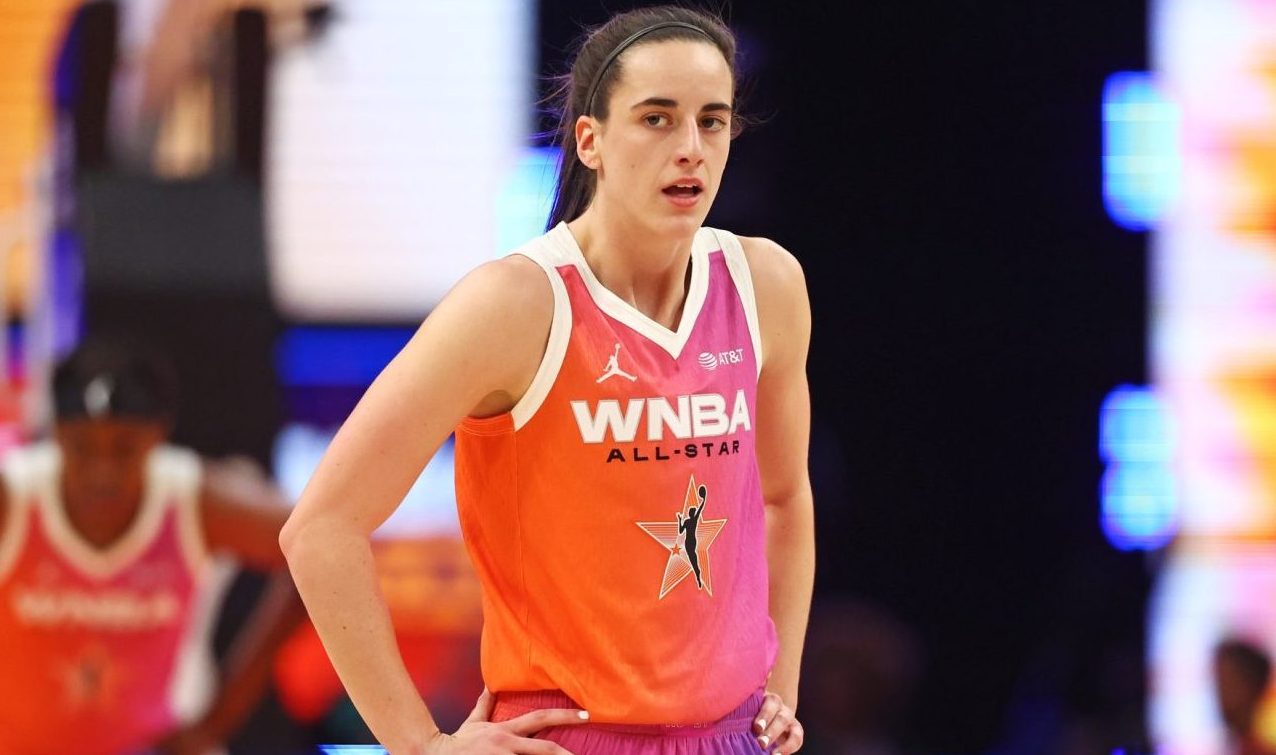
These alleged statements reveal a deep chasm between player perspective and executive mentality. They suggest a leadership that, according to some, “believes it succeeds despite its players not because of them.” While the league has not yet been presented with definitive, concrete proof of these private remarks, the accusations alone have been enough to ignite a firestorm and solidify the battle lines.
Coach White, a former player herself who was part of the WNBA’s very first collective bargaining agreement negotiations, sees this as a pivotal moment. She argues that leadership must evolve with the league’s growth. “Part of leadership is taking accountability,” White stated firmly. “Part of leadership is is owning how we move the needle… your employees are your number one asset.” Her words resonate with a growing number of players who feel their contributions are undervalued and their voices ignored.
The situation is a double-edged sword. Clark’s immense popularity is the very engine driving the league to new heights, yet she is also the focal point of a debate that she never asked to join. Her name is invoked in discussions about salary, media rights, and league politics, often without her input. This has led to calls for Clark to have stronger representation, a “pit bull on her team” to defend her from being used as leverage in these broader disputes.
As the WNBA stands at a crossroads, the path forward is uncertain. The tension between the players and the commissioner appears to be at an impasse, with little indication of mending broken bridges. With a potential lockout looming and new rival leagues on the horizon, the stakes could not be higher. The league is grappling with the “growing pains of becoming a mainstream professional sport,” and the outcome of this internal conflict will undoubtedly define its future. Will leadership embrace its players as true partners, or will the civil war for the WNBA’s soul leave behind a fractured and weakened league? The players, it seems, are ready for the fight.