It started, as so many modern firestorms do, with a joke. Standing on the iconic stage of Saturday Night Live, global music superstar Bad Bunny did what he has always done: he moved seamlessly between two languages, two cultures, and one unapologetic identity. After delivering a portion of his monologue in Spanish, he looked into the camera with a playful grin and issued a challenge to English-speaking America: “If you didn’t understand what I just said, you have four months to learn.”

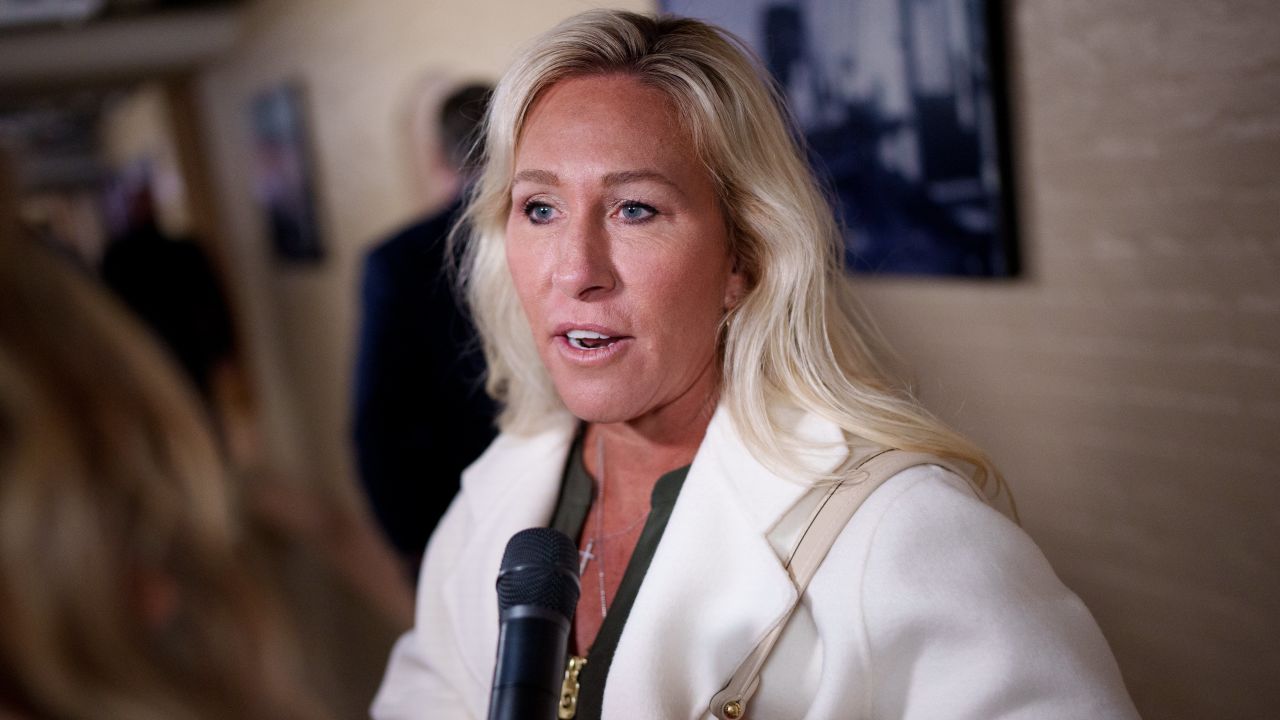
In that moment, a countdown clock started ticking, not just to his headlining performance at the Super Bowl, but to a full-blown culture war. The quip, intended as part showmanship and part proud defiance, landed like a political grenade. Within hours, the fallout was clear, as Rep. Marjorie Taylor Greene (R-Ga.) took to social media to detonate a response that transformed a one-liner into a legislative crusade.
Greene didn’t just condemn the remark; she weaponized it. She announced her intention to push a bill to make English the official language of the United States and demanded Congress pass it before Bad Bunny could take the world’s biggest stage. Framing the artist’s upcoming show as one in a line of “demonic sexual performances,” she drew a stark line in the cultural sand. What was a moment of pop-star swagger had instantly become a proxy battle over language, national identity, and who gets to define what is “American.”
The controversy is a textbook example of how a singular media moment can be amplified and redefined by the political outrage machine. Bad Bunny, a U.S. citizen born in Puerto Rico, has built a career on his fluid, bilingual artistry, becoming one of the most streamed musicians on the planet by refusing to cater exclusively to an English-speaking market. His selection as the Super Bowl headliner was already a significant cultural statement by the NFL, signaling a deliberate push toward a more global, diverse audience. His SNL joke was a confident acknowledgment of that fact—a playful jab at those who already viewed his presence on a quintessentially American stage with suspicion.
For Greene and her allies, however, the joke was no laughing matter. It was perceived as a provocation—an arrogant dismissal of American tradition. Her proposed English-only bill is a familiar piece of political theater, a measure that surfaces periodically during moments of high anxiety about immigration and cultural change. While the U.S. has no official federal language, such bills serve as powerful symbolic cudgels, designed less to solve a practical problem and more to send a message about cultural hierarchy. By tying the bill directly to the Super Bowl, Greene masterfully engineered a narrative with maximum viral potential, ensuring the conversation would dominate news cycles for months.
Caught in the crossfire is the NFL, an organization that perennially finds itself in the center of America’s culture wars. The modern halftime show is an impossible tightrope walk. The league and its partners, like Roc Nation, are tasked with producing a 13-minute spectacle that must feel unifying to 120 million viewers, appeal to a young, global demographic, and satisfy corporate sponsors—all without creating a political firestorm. With Bad Bunny, they made a calculated bet on a superstar with colossal international appeal. They are now facing a powerful domestic backlash that questions the very premise of that choice.
This conflict runs deeper than a simple left-versus-right squabble. It touches upon the fundamental question of how a multilingual, multiethnic nation should present itself on its biggest stage. For millions, hearing Spanish celebrated at the Super Bowl is a moment of joyous affirmation—a reflection of the country as it truly is. For others, it feels like an erosion of a shared cultural bedrock, where English has always been the default.
Bad Bunny’s monologue also included a salute to the Latinos who “worked to open doors” in the U.S., insisting their mark “can’t be erased.” These are not radical statements, but when beamed into the living rooms of a politically polarized nation via the Super Bowl’s unmatched megaphone, they take on immense weight.
As the four-month countdown continues, both sides are digging in. Pundits will dissect Bad Bunny’s lyrics for hidden meanings, activists will rally for and against the English-only legislation, and every pre-game interview will be mined for controversy. What a “win” looks like for each side is clear. For Greene, any element of the performance that can be framed as risqué or divisive will be held up as vindication. For Bad Bunny and the NFL, a flawless, electrifying show that transcends the political noise and gets even the skeptics dancing would be the ultimate rebuttal.
Ultimately, the firestorm ignited by one joke reveals a profound tension in modern America. It’s a debate not just about what language we speak, but about who belongs, who has to adapt, and whose culture gets to take center stage. The Super Bowl will go on, but the questions it has raised will linger long after the confetti has been swept away.
News
I Hid 20 Freezing Bikers From a Blizzard. The Next Morning, I Woke Up to a Roar That Shook My Entire House.
Chapter 1: The Invisible Woman The wind didn’t just blow that night; it screamed. It was a sound that tore through the cracks in the walls and settled deep in your bones. I stood by the kitchen window, watching…
I Fixed A Billionaire’s Broken Prototype With A Wrench. The Next Morning, A Black Hawk Helicopter Landed In My Trailer Park.
Chapter 1: The Ghost in the Machine The copper-colored sun was dying behind the thick clouds, casting long, bruising shadows across Woodbury Meadows. It was the kind of light that made everything look old. The trailer park smelled of…
They Thought She Was Just A Lonely Customer. When The Biker Touched The Waitress, The Navy Commander Broke Her Silence—And His Arm.
Chapter 1: The Ghost in the Corner The morning fog rolled thick off the Atlantic, blanketing the streets of Port Haven in a ghostly shroud. It was the kind of heavy, wet mist that muffled sound and made the…
They Mocked A Paralyzed Veteran And Kicked Her Wheelchair, Unaware They Just Woke Up The Most Dangerous Assassin The Military Ever Created.
CHAPTER 1: THE GHOST OF PINE VALLEY The phantom pain was bad today. It felt like fire was licking at ankles that hadn’t been there for three years. Alex Winters adjusted her position in the wheelchair, her face remaining…
They Thought He Was Just A Frail Old Man Alone At A Truck Stop. But When The Gang Leader Spat In His Coffee, He Didn’t Flinch—He Just Made One Phone Call That Unleashed A Trap 20 Years In The Making.
Chapter 1: The Wolf at the Door The evening sun cast long, amber shadows across the cracked pavement of the Crossroads Truck Stop. It was a place out of time, situated on a lonely stretch of Interstate 40 where…

Navy Admiral Mocked A Single Dad Janitor In Front Of Everyone—Then He Learned The Man’s “Call Sign” And The Whole Base Froze.
Chapter 1: The Ghost of Coronado The morning fog still clung to the coastline of Coronado, a thick gray blanket that muffled the roar of the Pacific Ocean. Inside the primary administrative building of the Naval Base, the silence…
End of content
No more pages to load