In the adrenaline-fueled theater of professional sports, the line between hero and villain can be razor-thin. It is a world governed not just by official rulebooks, but by a complex web of unwritten codes, locker-room loyalties, and sacred traditions of conduct. This past week, that delicate fabric was torn apart in a series of high-profile incidents that have forced athletes, fans, and analysts to confront a difficult question: When does passionate competition cross the line into toxic behavior? From a WNBA star’s public team critique to an NFL player’s physical altercation with a fan, the sports world has become a courtroom, and the verdicts are flying in.
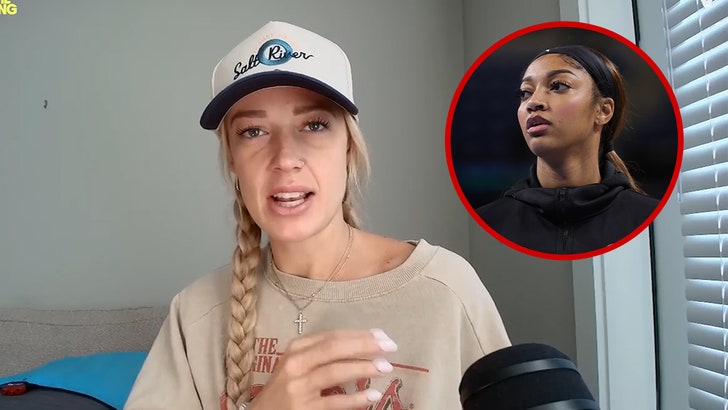
At the heart of the storm is Angel Reese, the Chicago Sky’s dynamic and often polarizing star. Her immense talent is matched only by her penchant for making headlines, but her latest comments have landed her in territory from which it is difficult to return. After a frustrating season, Reese publicly stated, “We have to get good players, we have to get great players, that’s a non-negotiable for me.” To an outsider, it might sound like a simple, competitive desire to win. But within the sacred walls of a locker room, those words are a grenade. The comments were immediately deemed “detrimental to the team,” earning Reese a swift suspension from the Sky.
The public condemnation from her peers, however, may prove to be the more lasting punishment. Fellow WNBA player Sophie Cunningham, on her popular podcast, did not mince words, delivering a sharp and unequivocal rebuke. “You have to protect your locker room,” Cunningham stated, emphasizing that while frustrations are normal, airing them publicly is a cardinal sin. It creates division, erodes trust, and turns teammates into adversaries. Cunningham’s critique was a powerful lesson in the unspoken laws of team chemistry. The locker room is supposed to be a sanctuary, the one place where athletes can be vulnerable, united in their shared struggle. By taking internal frustrations public, Reese effectively set fire to that sanctuary, and in doing so, she has not only damaged her relationship with her current team but has also sent a red flag to every other front office in the league.
While Reese’s conflict was verbal, another incident in the NFL showed the dangerous consequences when the boundary between fan and player turns physical. During a heated game, a fan reached out and pushed the helmet of star receiver DeAndre Hopkins. The situation escalated when quarterback Lamar Jackson intervened, shoving the fan back. The fan was immediately ejected and has since been banned from all NFL stadiums for life—a decision that has received widespread support. This moment served as a stark reminder of the invisible, yet critical, barrier that separates the stands from the field. Fans are the lifeblood of the game, their passion fueling the atmosphere, but that passion does not grant them a license to physically engage with the athletes. The lifetime ban sends a clear message: the field is a workplace, and the players’ safety is paramount.

The court of public opinion also delivered a harsh verdict on a viral moment from a baseball game, where a grown woman was caught on camera snatching a foul ball directly from the hands of a young child. The internet’s backlash was swift and merciless. What could have been a cherished memory for a young fan was soured by a moment of selfish entitlement. It was, as commentators described it, pure “Karen shit”—a blatant disregard for the simple, joyful moments that make sports fandom so special. The incident, though minor in the grand scheme of sports, touched a nerve because it violated a basic tenet of community and decency.
Accountability, however, is not just for fans or outspoken stars; it extends to every player on the roster, even in their most difficult moments. Atlanta Falcons kicker Younghoe Koo learned this the hard way. After missing a potential game-winning field goal, a moment of immense professional and personal disappointment, Koo chose to skip his mandatory post-game press conference. He ghosted the media, and in doing so, he sparked a fierce debate about the nature of professionalism.
On one hand, the empathy for his position is understandable. Facing a barrage of questions after such a crushing failure is a daunting task. But on the other hand, as many current and former players pointed out, facing the music is part of the job. It’s about character. The press conference is not just for the moments of glory when you’re celebrating a win; it is arguably more important in the moments of defeat. It demonstrates respect for the game, the fans, and the media who cover it. By avoiding his responsibility, Koo missed an opportunity to show resilience and leadership, leaving his teammates to answer for a loss that, fairly or not, rested heavily on his shoulders.
Taken together, these disparate events paint a fascinating and complex picture of the modern sports landscape. The codes of conduct, both written and unwritten, are being tested like never before. Athletes are more empowered than ever to use their voices, but as Angel Reese discovered, that power comes with immense responsibility. Fans are closer to the action than ever, but as the NFL incident proved, that proximity has its limits. In the end, these moments force us to look beyond the scores and statistics, to the very character of the games we love and the people who play them. They remind us that for all the money, fame, and glory, the foundational principles of sports remain timeless: respect the game, protect your team, and win or lose, show up.

News

I Hid 20 Freezing Bikers From a Blizzard. The Next Morning, I Woke Up to a Roar That Shook My Entire House.
Chapter 1: The Invisible Woman The wind didn’t just blow that night; it screamed. It was a sound that tore through the cracks in the walls and settled deep in your bones. I stood by the kitchen window, watching…
I Fixed A Billionaire’s Broken Prototype With A Wrench. The Next Morning, A Black Hawk Helicopter Landed In My Trailer Park.
Chapter 1: The Ghost in the Machine The copper-colored sun was dying behind the thick clouds, casting long, bruising shadows across Woodbury Meadows. It was the kind of light that made everything look old. The trailer park smelled of…
They Thought She Was Just A Lonely Customer. When The Biker Touched The Waitress, The Navy Commander Broke Her Silence—And His Arm.
Chapter 1: The Ghost in the Corner The morning fog rolled thick off the Atlantic, blanketing the streets of Port Haven in a ghostly shroud. It was the kind of heavy, wet mist that muffled sound and made the…
They Mocked A Paralyzed Veteran And Kicked Her Wheelchair, Unaware They Just Woke Up The Most Dangerous Assassin The Military Ever Created.
CHAPTER 1: THE GHOST OF PINE VALLEY The phantom pain was bad today. It felt like fire was licking at ankles that hadn’t been there for three years. Alex Winters adjusted her position in the wheelchair, her face remaining…
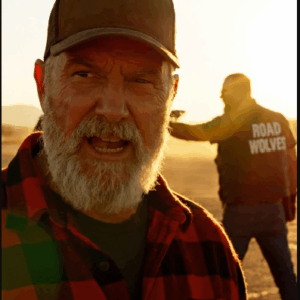
They Thought He Was Just A Frail Old Man Alone At A Truck Stop. But When The Gang Leader Spat In His Coffee, He Didn’t Flinch—He Just Made One Phone Call That Unleashed A Trap 20 Years In The Making.
Chapter 1: The Wolf at the Door The evening sun cast long, amber shadows across the cracked pavement of the Crossroads Truck Stop. It was a place out of time, situated on a lonely stretch of Interstate 40 where…

Navy Admiral Mocked A Single Dad Janitor In Front Of Everyone—Then He Learned The Man’s “Call Sign” And The Whole Base Froze.
Chapter 1: The Ghost of Coronado The morning fog still clung to the coastline of Coronado, a thick gray blanket that muffled the roar of the Pacific Ocean. Inside the primary administrative building of the Naval Base, the silence…
End of content
No more pages to load