In the world of professional sports, timing is everything. A fraction of a second can decide a championship, and a business decision made at the wrong moment can have consequences that echo for years. For WNBA Commissioner Cathy Engelbert, a deal she orchestrated in 2022 is now being viewed through the lens of a “costly mistake,” a financial decision that has placed her in the center of a storm of controversy and could very well define her legacy.
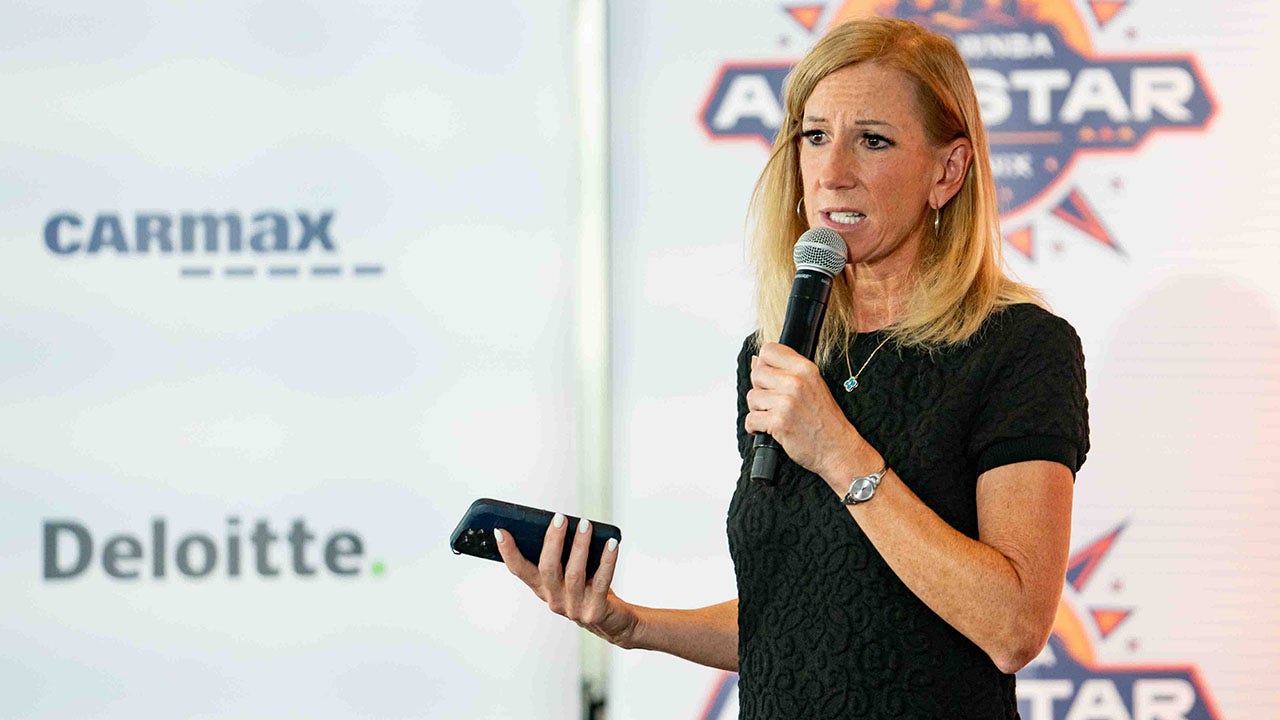
Two years ago, Engelbert led a $75 million capital raise, selling a 16% stake in the WNBA to a group of outside investors. The move, publicized as an effort to fund the league’s marketing and infrastructure, effectively placed the total valuation of the entire league at approximately $468 million. At the time, it was presented as a strategic step forward. Today, with the league’s popularity and revenue soaring to unprecedented heights, that valuation looks less like a savvy investment and more like a catastrophic misjudgment.
The core of the issue lies in the explosive growth the WNBA has experienced since 2022, fueled by a new generation of stars who have captured the nation’s attention. The “Caitlin Clark effect” is real; by some accounts, the rookie phenom is responsible for as much as 26% of the league’s revenue. This surge has made the WNBA one of the hottest properties in sports. Against this backdrop, the $468 million valuation seems almost nonsensical. For context, the New York Liberty recently sold a stake that valued the single franchise at $450 million. Furthermore, the league has sold expansion slots for a quarter of a billion dollars. These figures suggest the WNBA’s true worth is not in the millions, but in the billions.
This dramatic undervaluation has done more than just leave potential money on the table; it has fundamentally complicated the league’s internal structure at the worst possible time. The sale splintered the WNBA’s ownership into three distinct groups: the NBA’s 30 owners control 42%, the WNBA’s individual team owners hold another 42%, and the remaining 16% is now in the hands of the investors from the 2022 capital raise. This fractured power dynamic has become a significant hurdle in the ongoing and incredibly sensitive Collective Bargaining Agreement (CBA) negotiations. With the current agreement nearing its end, the league and its players are at a critical juncture, trying to hammer out a deal that will shape the financial future of the athletes for years to come. The threat of the WNBA’s first-ever player lockout looms over the discussions, and the divided ownership is not making things easier.
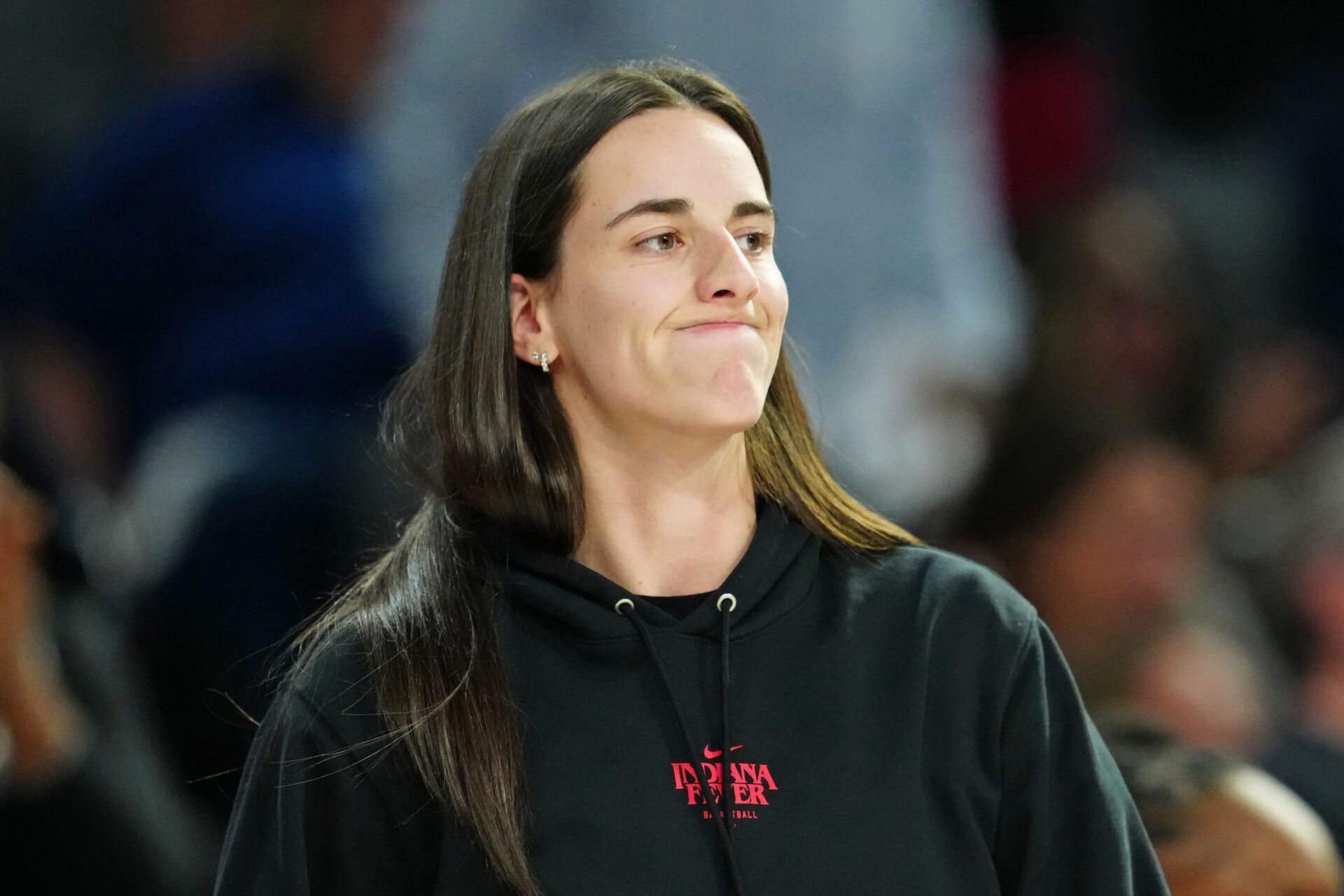
The players, aware of their growing value and influence, are pushing for a contract that reflects the league’s new reality. A recent proposal reportedly includes a supermax salary approaching $850,000 and a veteran minimum that would triple to around $300,000. While these numbers represent a significant increase, many argue they fall short of what the players deserve, especially when considering the league’s multi-billion-dollar potential. Critics of the current proposal suggest the supermax should be closer to $3 million, with the minimum salary landing where the proposed supermax is now.
For Engelbert, the pressure is mounting. The same commissioner who was recently booed during the WNBA Finals trophy presentation is now facing questions not only about the undervalued sale but also about how the $75 million raised was actually invested. What was meant to be a strategic move to bolster the league is now being framed as the potential justification for her dismissal.
As the WNBA enjoys its moment in the spotlight, with viewership and attendance breaking records, a battle is brewing behind the scenes. It’s a fight over money, power, and the future direction of a league that has finally arrived. At the center of it all is one deal, one valuation, and one question: How much was the future of women’s basketball sold for, and was it sold for far too little? The answer will have profound implications for everyone involved, from the owners in the boardrooms to the players on the court who are generating the value every single night.
News

I Hid 20 Freezing Bikers From a Blizzard. The Next Morning, I Woke Up to a Roar That Shook My Entire House.
Chapter 1: The Invisible Woman The wind didn’t just blow that night; it screamed. It was a sound that tore through the cracks in the walls and settled deep in your bones. I stood by the kitchen window, watching…

I Fixed A Billionaire’s Broken Prototype With A Wrench. The Next Morning, A Black Hawk Helicopter Landed In My Trailer Park.
Chapter 1: The Ghost in the Machine The copper-colored sun was dying behind the thick clouds, casting long, bruising shadows across Woodbury Meadows. It was the kind of light that made everything look old. The trailer park smelled of…
They Thought She Was Just A Lonely Customer. When The Biker Touched The Waitress, The Navy Commander Broke Her Silence—And His Arm.
Chapter 1: The Ghost in the Corner The morning fog rolled thick off the Atlantic, blanketing the streets of Port Haven in a ghostly shroud. It was the kind of heavy, wet mist that muffled sound and made the…
They Mocked A Paralyzed Veteran And Kicked Her Wheelchair, Unaware They Just Woke Up The Most Dangerous Assassin The Military Ever Created.
CHAPTER 1: THE GHOST OF PINE VALLEY The phantom pain was bad today. It felt like fire was licking at ankles that hadn’t been there for three years. Alex Winters adjusted her position in the wheelchair, her face remaining…

They Thought He Was Just A Frail Old Man Alone At A Truck Stop. But When The Gang Leader Spat In His Coffee, He Didn’t Flinch—He Just Made One Phone Call That Unleashed A Trap 20 Years In The Making.
Chapter 1: The Wolf at the Door The evening sun cast long, amber shadows across the cracked pavement of the Crossroads Truck Stop. It was a place out of time, situated on a lonely stretch of Interstate 40 where…

Navy Admiral Mocked A Single Dad Janitor In Front Of Everyone—Then He Learned The Man’s “Call Sign” And The Whole Base Froze.
Chapter 1: The Ghost of Coronado The morning fog still clung to the coastline of Coronado, a thick gray blanket that muffled the roar of the Pacific Ocean. Inside the primary administrative building of the Naval Base, the silence…
End of content
No more pages to load