SALT LAKE CITY – The echoes of the single gunshot that killed conservative activist Charlie Kirk on the campus of Utah Valley University are now reverberating through the halls of the state Capitol. In the wake of the shocking September 10th assassination, a key Utah lawmaker has announced he is renewing an urgent push for legislation that would mandate comprehensive security assessments for all of Utah’s public colleges and universities—a proposal the state Senate rejected just last session.

Rep. Ryan Wilcox, a Republican from Ogden and the chair of Utah’s school security task force, confirmed Monday that the tragedy has provided the grim and undeniable impetus to force a change that he believes is tragically overdue. “Assessments need to be done,” Wilcox stated bluntly. “Everyone understands that now.”
The proposed legislation would bring the state’s higher education system in line with its K-12 schools, which are already required to conduct similar security reviews every three years under a 2024 law. Wilcox had included colleges in his original bill during the 2025 Legislature, but that component was stripped out in the Senate. Now, armed with the horrifying evidence of what can happen when security is not properly scrutinized, Wilcox is determined to see the measure passed.
The renewed legislative effort comes as UVU’s security protocols on the day of Kirk’s assassination face intense criticism. Experts have questioned the decision to host a high-profile, and often controversial, figure like Kirk in an open campus courtyard with what has been described as “light security.” The event was staffed by only six UVU police officers, and no assistance was requested from the Utah County Sheriff’s Office, an oversight many believe left Kirk dangerously exposed. The sound of that single shot sent the audience running for cover and triggered a manhunt that locked down the community for nearly 36 hours.

The fallout was immediate and widespread. Other universities in the state, recognizing their own potential vulnerabilities, began scrambling to bolster their own security. At Utah State University, where Kirk had been scheduled to speak just weeks later, officials organized a massive, multi-agency security detail for an event held in his place, which featured Utah Gov. Spencer Cox. Keith Squires, Chief Safety Officer at the University of Utah, confirmed during a task force meeting on Monday that the assassination had prompted immediate changes at his institution.
“We all know that tragedy strikes, sometimes resources are made available, and the university’s allowed me to be able to put some things in place after assessing needs that I feel very good about,” Squires said, acknowledging that the UVU shooting was a direct catalyst for these new resources.
For Rep. Wilcox, these reactive measures highlight a deeper, systemic problem. He warned that campus and local police departments are often stretched too thin to consistently provide the level of security needed for the large-scale, politically charged events that are becoming increasingly common.
“This is the new reality: We do not have the resources that we need to pull that off consistently,” Wilcox said. “At some point, we’ve got to build that into the structure, into the plan, into the priority list, to make sure that that’s taken care of.”
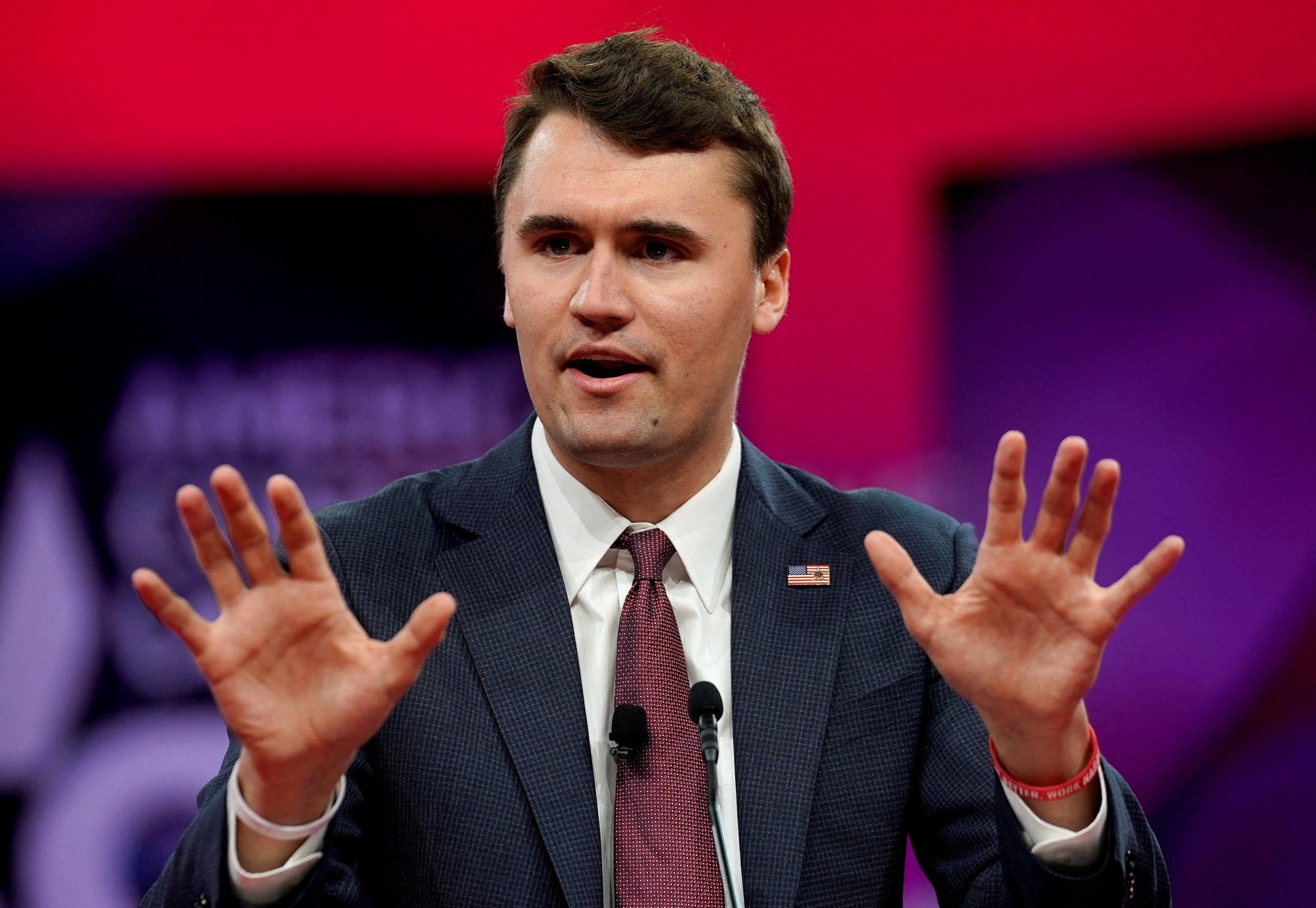
That is precisely what his revived bill aims to do. By making security assessments a mandatory, recurring requirement, the law would force universities to proactively identify and address weaknesses rather than waiting for a tragedy to expose them. Wilcox said he has already spoken with most of Utah’s college presidents, many of whom have already ordered their own assessments in the wake of Kirk’s death. However, he insists a state law is necessary to ensure that this level of scrutiny is maintained for years to come. It took the public assassination of a prominent national figure to create the political will, but for lawmakers and university officials across Utah, the message is now tragically clear: the time for debating campus security is over.
News
I Hid 20 Freezing Bikers From a Blizzard. The Next Morning, I Woke Up to a Roar That Shook My Entire House.
Chapter 1: The Invisible Woman The wind didn’t just blow that night; it screamed. It was a sound that tore through the cracks in the walls and settled deep in your bones. I stood by the kitchen window, watching…
I Fixed A Billionaire’s Broken Prototype With A Wrench. The Next Morning, A Black Hawk Helicopter Landed In My Trailer Park.
Chapter 1: The Ghost in the Machine The copper-colored sun was dying behind the thick clouds, casting long, bruising shadows across Woodbury Meadows. It was the kind of light that made everything look old. The trailer park smelled of…
They Thought She Was Just A Lonely Customer. When The Biker Touched The Waitress, The Navy Commander Broke Her Silence—And His Arm.
Chapter 1: The Ghost in the Corner The morning fog rolled thick off the Atlantic, blanketing the streets of Port Haven in a ghostly shroud. It was the kind of heavy, wet mist that muffled sound and made the…
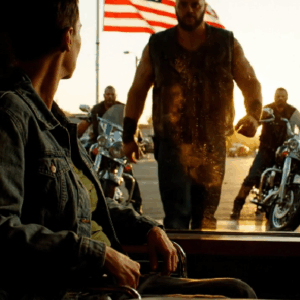
They Mocked A Paralyzed Veteran And Kicked Her Wheelchair, Unaware They Just Woke Up The Most Dangerous Assassin The Military Ever Created.
CHAPTER 1: THE GHOST OF PINE VALLEY The phantom pain was bad today. It felt like fire was licking at ankles that hadn’t been there for three years. Alex Winters adjusted her position in the wheelchair, her face remaining…
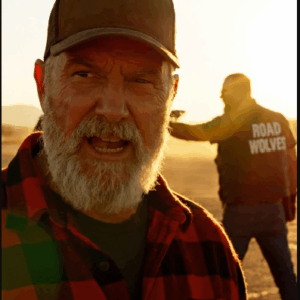
They Thought He Was Just A Frail Old Man Alone At A Truck Stop. But When The Gang Leader Spat In His Coffee, He Didn’t Flinch—He Just Made One Phone Call That Unleashed A Trap 20 Years In The Making.
Chapter 1: The Wolf at the Door The evening sun cast long, amber shadows across the cracked pavement of the Crossroads Truck Stop. It was a place out of time, situated on a lonely stretch of Interstate 40 where…

Navy Admiral Mocked A Single Dad Janitor In Front Of Everyone—Then He Learned The Man’s “Call Sign” And The Whole Base Froze.
Chapter 1: The Ghost of Coronado The morning fog still clung to the coastline of Coronado, a thick gray blanket that muffled the roar of the Pacific Ocean. Inside the primary administrative building of the Naval Base, the silence…
End of content
No more pages to load