In the high-stakes pressure cooker of the WNBA Semifinals, excuses are often the last refuge of a team facing elimination. After the Indiana Fever handed the Las Vegas Aces a stunning and decisive defeat in Game 4 to tie the series, the post-game narrative from the Aces’ camp wasn’t about strategy or execution. Instead, it centered on a single, loaded accusation from their superstar MVP, A’ja Wilson: her formidable opponent, Aliyah Boston, apparently had a “special whistle.”
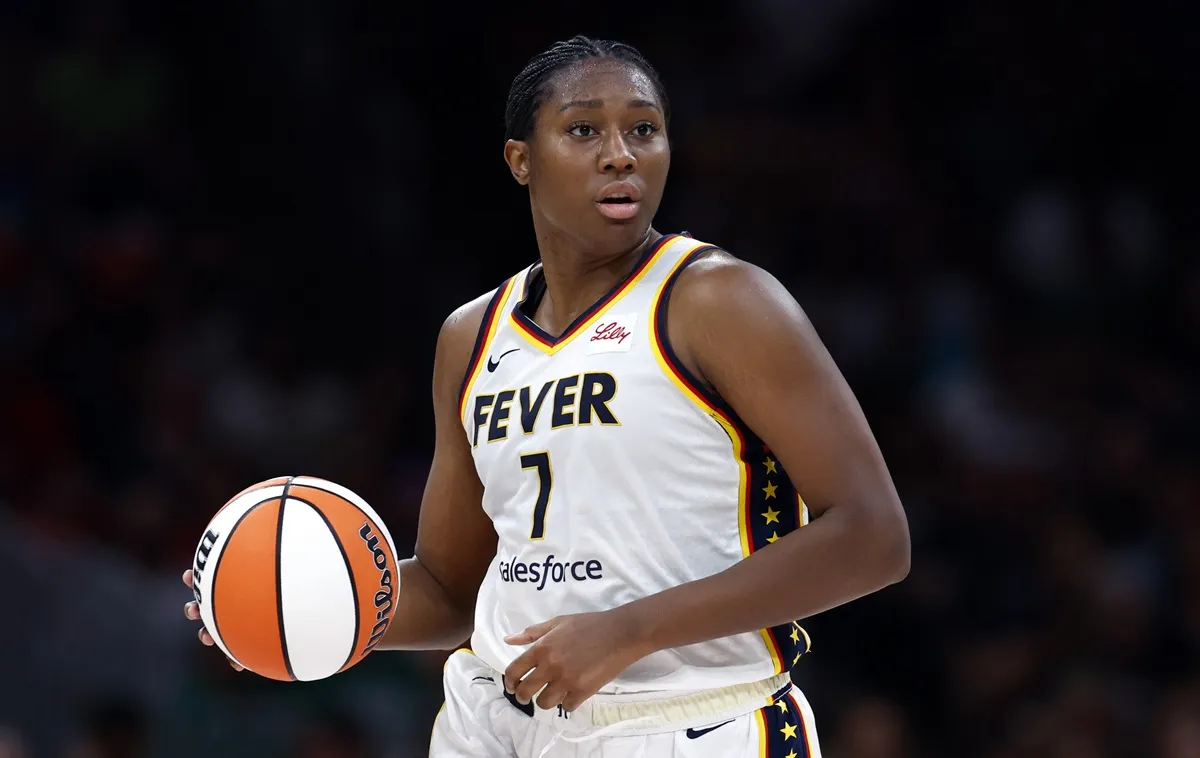
The comment, dripping with sarcasm and frustration, was a direct shot at the officiating. It suggested that Boston, who had dismantled the Aces with a masterful performance of 24 points, 14 rebounds, and 5 assists, had been the beneficiary of preferential treatment from the referees. Head coach Becky Hammon echoed the sentiment, her terse post-game comments about the lopsided free-throw count—34 for the Fever to the Aces’ 11—painting a clear picture of a team that felt cheated.
But for anyone who had watched the series unfold, the irony was thick enough to cut with a knife. For the first three games, it was the Aces who seemed to enjoy a friendly whistle. Soft calls consistently went their way, sending Wilson to the free-throw line and allowing them to build rhythm while the Fever struggled with foul trouble. Indiana had been on the receiving end of questionable calls, with Boston getting tagged for minimal contact in the post and guards penalized for sound perimeter defense. Yet, when the script was flipped in Game 4—not by favoritism, but by a brilliant strategic shift—the Aces’ composure crumbled, and the complaints began.
So, what really happened in Game 4? It wasn’t a conspiracy; it was a game plan. The Indiana Fever, knowing their season was on the line, made a concerted effort to attack the paint relentlessly. From the opening tip, Aliyah Boston established deep post position, muscling her way to the rim and forcing the Aces’ defenders into a difficult choice: either foul her or give up an easy basket. She didn’t settle for jumpers; she initiated contact, absorbed hits, and played a brand of physical, inside-out basketball that the Aces simply could not handle.
Boston’s dominance was not just about scoring. Her presence in the paint created opportunities for everyone else. When the Aces’ defense collapsed on her, she displayed remarkable court vision, finding open teammates with crisp passes that led to easy scores. Kelsey Mitchell, the Fever’s dynamic guard, capitalized on the spaced floor, pouring in 25 points and consistently getting to the free-throw line by attacking the rim with aggressive drives. Odyssey Sims, after a tough outing in Game 3, bounced back with a crucial 18 points, carving through the Aces’ defense with confidence.
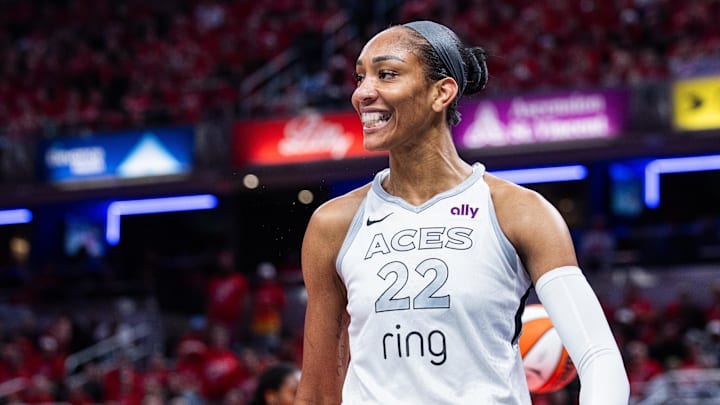
The free-throw disparity that Hammon lamented was not a product of biased officiating, but a direct result of Indiana’s aggressive, paint-oriented attack. Teams that live in the paint draw fouls. It’s a fundamental principle of basketball. The Aces, in contrast, leaned heavily on isolation plays and jump shots from Wilson. While she put up an impressive 31 points, she had to work for every single one, often forced into tough, contested shots by Boston’s physical defense.
The frustration from the Aces was palpable throughout the game. Wilson could be seen getting visibly agitated, and Hammon’s exasperation with the officials was a constant sideline drama. The meltdown reached its peak in a critical moment when Hammon, in a costly mental error, called a timeout she didn’t have, resulting in a technical foul and a free throw for the Fever. It was a moment that perfectly encapsulated the night: the Aces, rattled and out of sync, were beating themselves as much as Indiana was beating them.
The narrative of a “special whistle” was a convenient smokescreen to hide a more uncomfortable truth: the Aces were outplayed, outhustled, and outcoached. Indiana dominated the rebounding battle, 34 to 22, a testament to their superior effort and physicality. Their defense, anchored by a gritty performance from Lexi Hull—who played through a back injury to lock down Aces’ guard Jackie Young—was tenacious and disruptive.
In the end, A’ja Wilson’s complaint about a “special whistle” was less an indictment of the referees and more a confession. It was an admission that her team had grown accustomed to a certain style of play being called in their favor, and when faced with an opponent who dictated the terms of engagement through sheer force of will, they couldn’t adapt. The whistle Boston earned wasn’t special; it was the sound of dominance being rewarded. It was the sound of a team refusing to be intimidated, a team that walked onto the court and took control of their own destiny. As the series heads back to Las Vegas for a winner-take-all Game 5, the Aces are left to confront a reality that has nothing to do with officiating: they were not sabotaged; they were simply beaten.
News
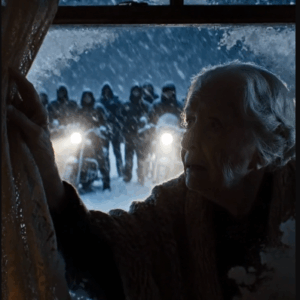
I Hid 20 Freezing Bikers From a Blizzard. The Next Morning, I Woke Up to a Roar That Shook My Entire House.
Chapter 1: The Invisible Woman The wind didn’t just blow that night; it screamed. It was a sound that tore through the cracks in the walls and settled deep in your bones. I stood by the kitchen window, watching…
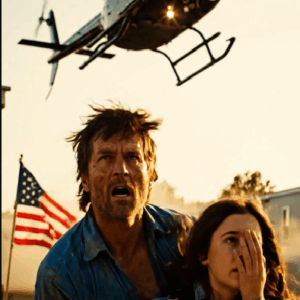
I Fixed A Billionaire’s Broken Prototype With A Wrench. The Next Morning, A Black Hawk Helicopter Landed In My Trailer Park.
Chapter 1: The Ghost in the Machine The copper-colored sun was dying behind the thick clouds, casting long, bruising shadows across Woodbury Meadows. It was the kind of light that made everything look old. The trailer park smelled of…
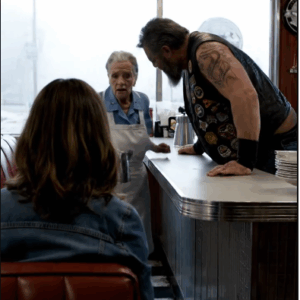
They Thought She Was Just A Lonely Customer. When The Biker Touched The Waitress, The Navy Commander Broke Her Silence—And His Arm.
Chapter 1: The Ghost in the Corner The morning fog rolled thick off the Atlantic, blanketing the streets of Port Haven in a ghostly shroud. It was the kind of heavy, wet mist that muffled sound and made the…
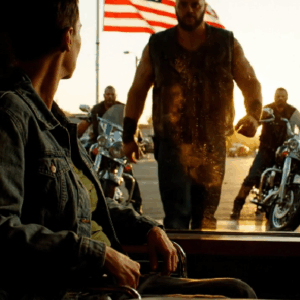
They Mocked A Paralyzed Veteran And Kicked Her Wheelchair, Unaware They Just Woke Up The Most Dangerous Assassin The Military Ever Created.
CHAPTER 1: THE GHOST OF PINE VALLEY The phantom pain was bad today. It felt like fire was licking at ankles that hadn’t been there for three years. Alex Winters adjusted her position in the wheelchair, her face remaining…

They Thought He Was Just A Frail Old Man Alone At A Truck Stop. But When The Gang Leader Spat In His Coffee, He Didn’t Flinch—He Just Made One Phone Call That Unleashed A Trap 20 Years In The Making.
Chapter 1: The Wolf at the Door The evening sun cast long, amber shadows across the cracked pavement of the Crossroads Truck Stop. It was a place out of time, situated on a lonely stretch of Interstate 40 where…

Navy Admiral Mocked A Single Dad Janitor In Front Of Everyone—Then He Learned The Man’s “Call Sign” And The Whole Base Froze.
Chapter 1: The Ghost of Coronado The morning fog still clung to the coastline of Coronado, a thick gray blanket that muffled the roar of the Pacific Ocean. Inside the primary administrative building of the Naval Base, the silence…
End of content
No more pages to load