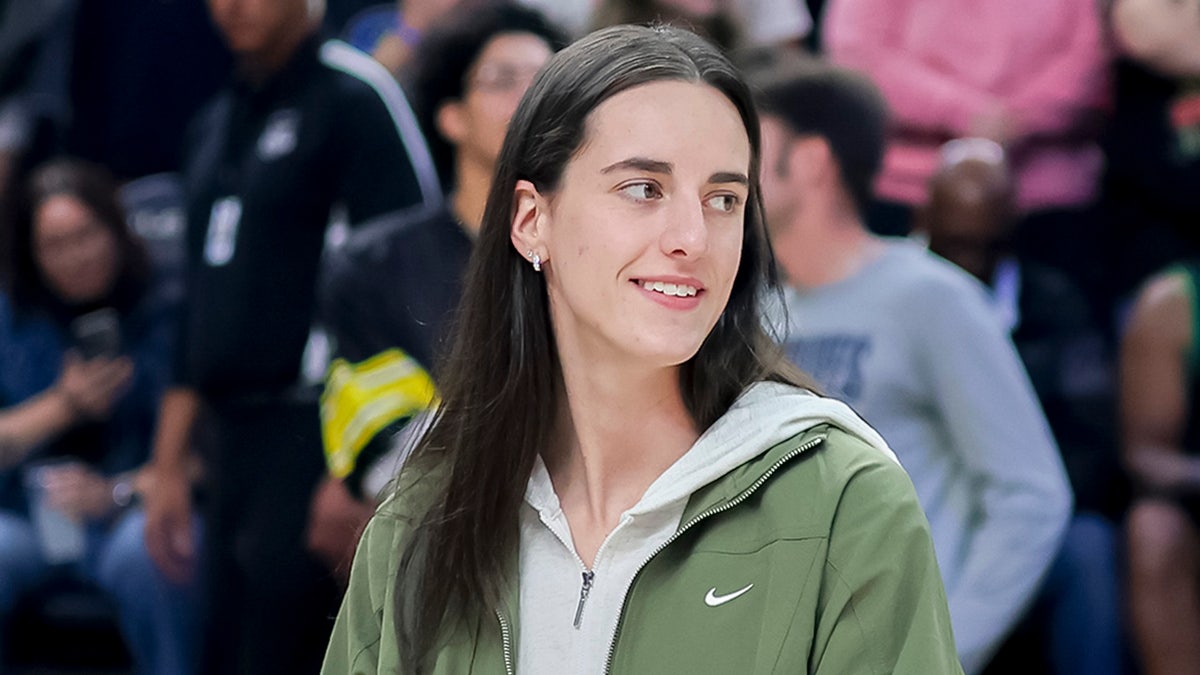
For a team and a city holding their collective breath, it was the smallest of signs, yet it felt monumental. On Sunday, for the first time since July 15, Caitlin Clark laced up her sneakers and stepped onto the court with her Indiana Fever teammates. There was no thunderous applause, no high-stakes competition—just the quiet, rhythmic bounce of a basketball in a near-empty arena. Participating in a “low-maintenance” and “low-intensity” shootaround, Clark took the first, tentative step on a long road back from a nagging groin injury that has sidelined her for over a month. While it’s far from a triumphant return, for the injury-decimated Fever, this glimmer of hope could mean everything.
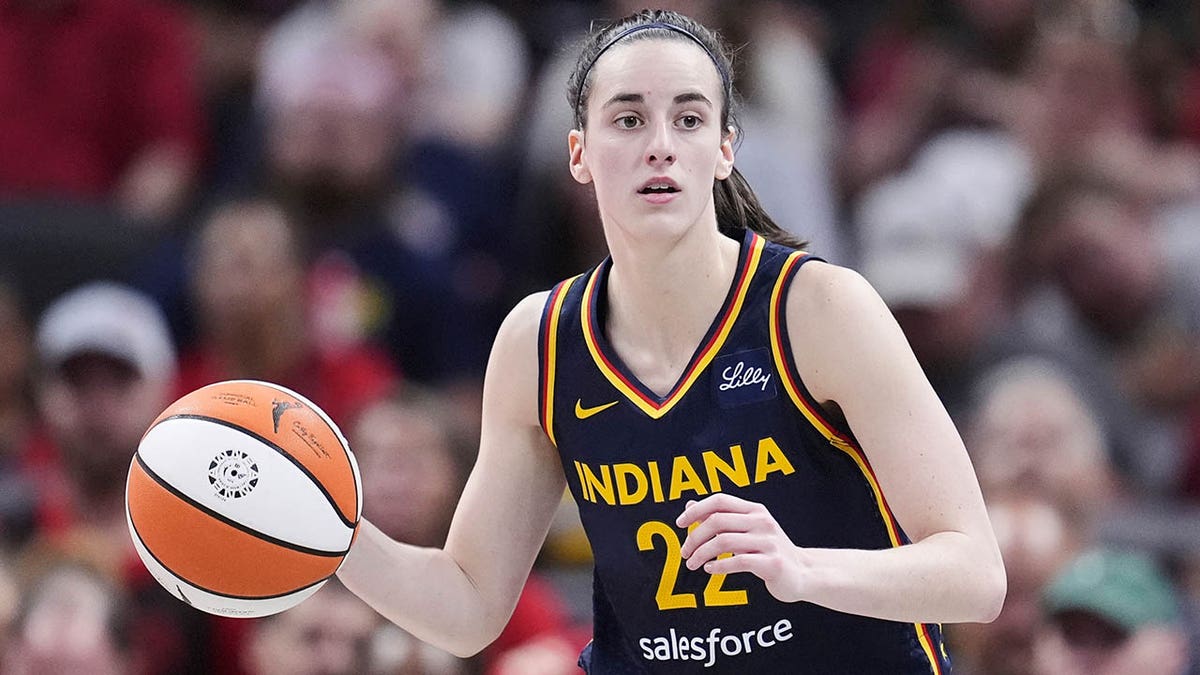
The Indiana Fever are a team besieged. Currently clinging to the No. 6 seed with a 19-17 record, their position in the WNBA playoff race is anything but secure. With just seven games left in the regular season, every contest is critical. This pressure would be immense under normal circumstances, but the Fever’s situation is tragically far from normal. The team’s backcourt has been systematically dismantled by devastating injuries. Recently, they lost new star Sophie Cunningham to a season-ending torn MCL. Before that, guards Sydney Colson (torn ACL) and Aari McDonald (foot fracture) saw their seasons end abruptly. Three essential guards, all gone for the year. The team isn’t just missing pieces; it’s operating with a skeleton crew at a vital position.
Into this void of uncertainty and desperation steps the specter of Caitlin Clark. Her rookie season, once billed as the dawn of a new era for the league, has become a frustrating saga of “what ifs.” A quad strain earlier in the year, a bone bruise in her left ankle in August, and now the persistent groin injury have limited the generational talent to just 13 games. The very player who drove ticket prices into the stratosphere and shattered viewership records has spent more time in street clothes than in her jersey, a constant, painful reminder of the team’s unfulfilled potential.
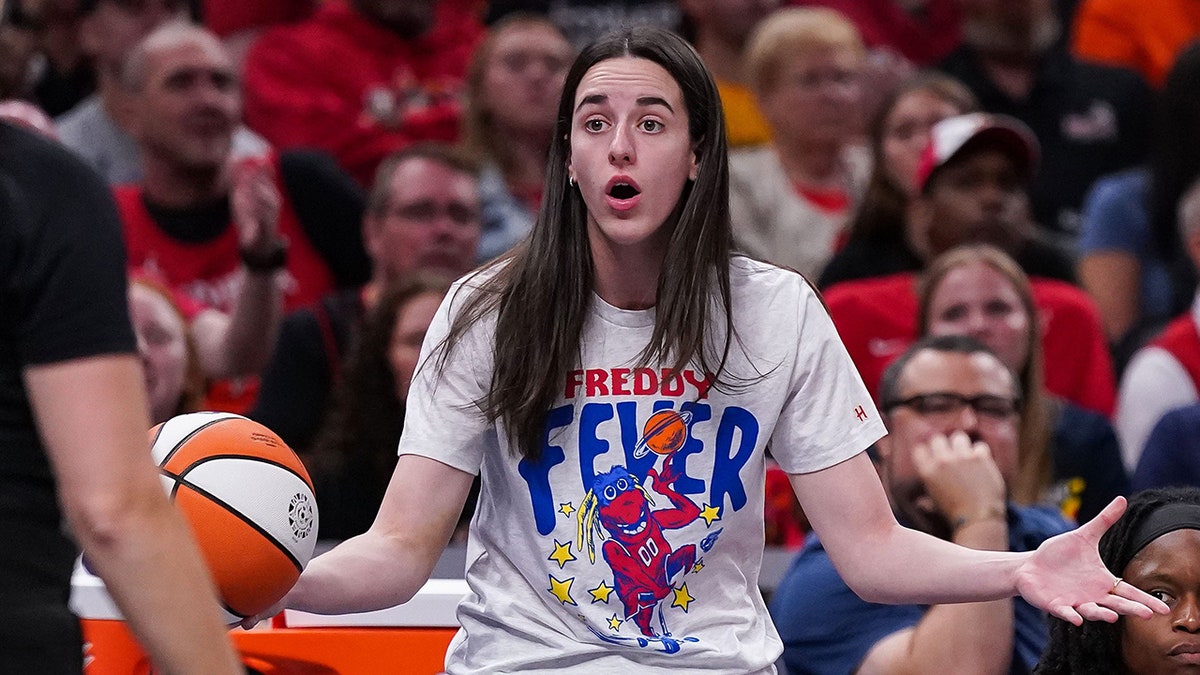
Head coach Stephanie White, while cautious, couldn’t hide the significance of Clark’s light activity. “It was a good step because she got out there on the floor with us for the first time,” White told local media, emphasizing that this was part of a “return to activity” protocol and not an official return to practice. The drills were non-contact, the movements carefully managed. The last thing anyone wants is to reaggravate an injury that has already stolen a significant chunk of her debut season.
This cautious optimism is the only thing the franchise can cling to right now. Clark’s value to the Fever cannot be overstated. When she has been on the court, she has been the dynamic, gravitational force everyone expected, a player who bends defenses and elevates her teammates. Her absence has left a gaping hole in the offense, one that the team has bravely tried to fill by committee but has been unable to truly patch. Now, with the mounting injuries to their other guards, her return has shifted from a luxury to an absolute necessity. Without her, the prospect of not only making a playoff run but simply holding on to their current spot seems daunting.
The pressure this places on a 23-year-old rookie, even one as famously composed as Clark, is immense. She is being asked to not only recover from a difficult injury but to potentially step back into the lineup and immediately become the savior for a team in crisis. Every practice she participates in, every drill she completes, will be scrutinized. The timeline for her return remains a mystery, a day-by-day evaluation that will keep fans and the organization on edge. Can she get back on the court in time? And if she does, how effective can she be after such a long layoff?
This entire ordeal serves as a harsh reminder of the brutal physical toll of professional sports. For Clark, the transition from college, where she was a durable icon, to the WNBA has been a trial by fire. The speed, physicality, and grueling schedule of the professional game have tested her body in unprecedented ways. Her frustrating season is a testament to the fact that talent alone does not guarantee success; health is the currency upon which all athletic achievement is built.
As the Fever prepare for their final seven-game stretch, all eyes will remain fixed on their sidelined superstar. Her presence at a simple shootaround has ignited a spark of hope in what was becoming a bleak outlook. It’s a sign that the story of her rookie season might not be over yet. For the Indiana Fever, teetering on the edge of the playoffs with a roster held together by sheer will, that small spark is enough to keep fighting. They are a team in desperate need of a hero, and they know their best hope is patiently, cautiously working her way back, one light drill at a time.