Tonight, the lights in the Ed Sullivan Theater will shine a little brighter, the applause will echo a little longer, and the guest list will be a little more star-studded. Will Ferrell will make a “special appearance,” Cillian Murphy will sit down for a chat, and Lady Gaga will perform. On paper, it is a celebration, a well-deserved victory lap for Stephen Colbert, who tonight marks his tenth anniversary as the host of The Late Show. He is the undisputed, highest-rated king of late-night television. But beneath the celebratory veneer lies a somber, unavoidable truth: this is not just an anniversary party. It is the beginning of a funeral procession.
:max_bytes(150000):strip_icc():focal(945x645:947x647)/The-Late-Show-with-Stephen-Colbert-071725-1-afab56474984495c9f4f1ea70a588f00.jpg)
The celebration arrives at a deeply bittersweet moment for the show and its millions of devoted fans. In July, CBS delivered a stunning blow, announcing in a sterile corporate statement that The Late Show would be canceled at the end of its current season in May. The official reason given was financial, a bloodless piece of corporate jargon that rings hollow to anyone who has watched Colbert dominate the ratings for years. The decision was met with immediate and fierce backlash. Online petitions garnered hundreds of thousands of signatures, and protests were organized, all pleading with the network to reconsider silencing one of the most vital and incisive voices in American media.
Tonight’s anniversary, therefore, feels less like a milestone and more like a poignant reminder of what is being lost. The presence of a comedy icon like Will Ferrell—a familiar face who has graced Colbert’s stage six times over the decade—serves as a testament to the respect and admiration Colbert has earned from his peers. But it also underscores the central tragedy: a show beloved by performers and the public, a critical and commercial success, is being unceremoniously taken off the air.
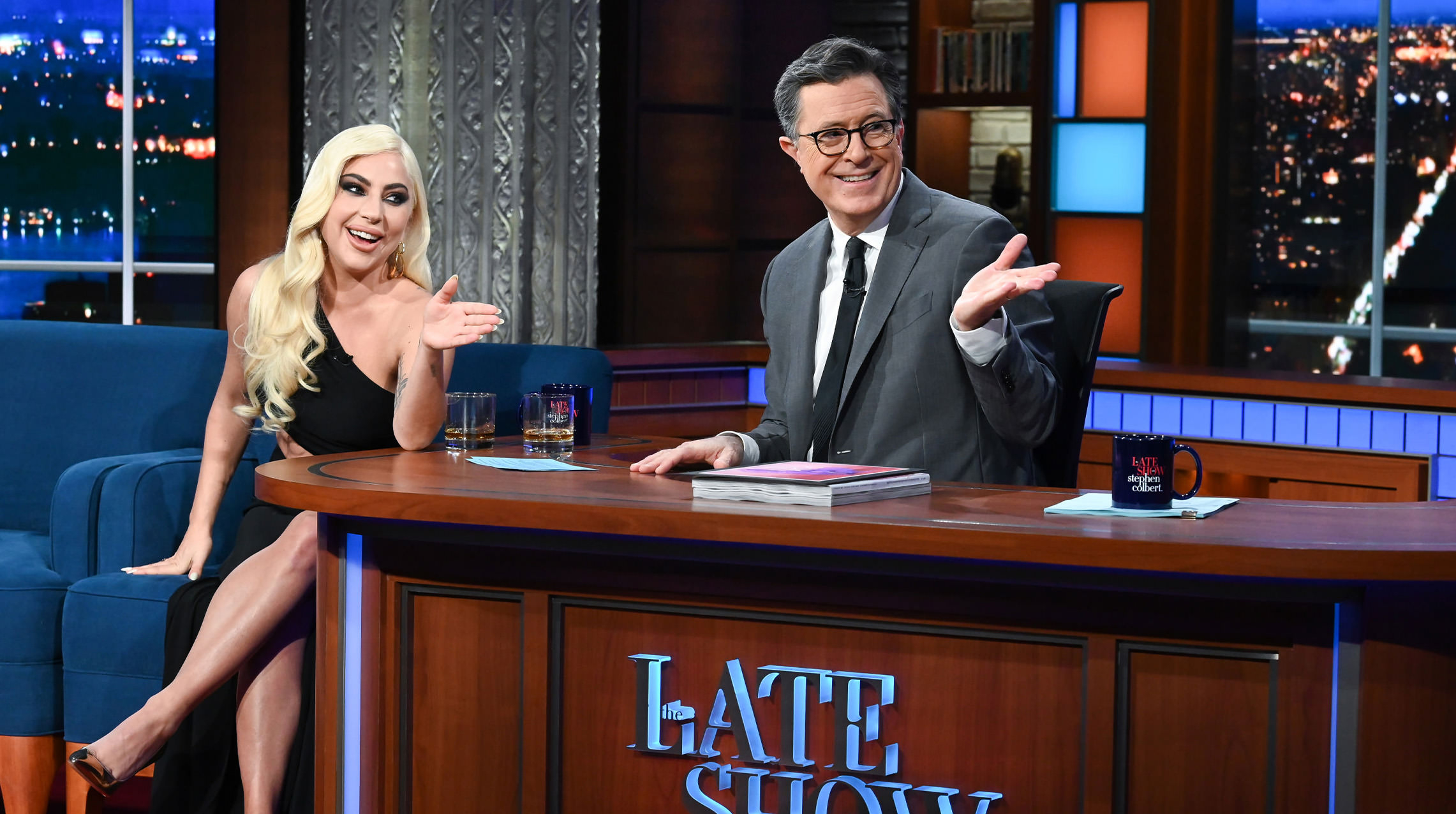
To understand the depth of this loss, one must look back at the legacy Colbert has built. He took over the desk from the legendary David Letterman on September 8, 2015, shedding his satirical conservative pundit persona from The Colbert Report and stepping into the spotlight as his authentic self. It was a risky transition, but one that allowed him to connect with his audience on a more profound level. Over the next decade, he navigated one of the most turbulent political eras in modern history, not just with jokes, but with a righteous anger, a brilliant intellect, and a moral clarity that was often absent from the mainstream news. His monologues became essential viewing, masterfully constructed essays on the state of the nation that could make you laugh and think in equal measure. He didn’t just tell jokes about the news; he provided a crucial framework for understanding it.
This very potency is what makes the network’s “financial” reasoning feel so flimsy. To his audience, the cancellation was not a business decision; it was a political execution. They see a disturbing pattern of powerful, truth-telling voices being systematically removed from the airwaves. Colbert, they believe, became too effective, his critiques too sharp, his voice too inconvenient for the corporate and political powers that be. While CBS stands by its sanitized explanation, the court of public opinion has reached a different verdict, one that sees this cancellation as a strategic purge of a vital dissenting voice.
Even the style of tonight’s celebration speaks volumes about Colbert’s character. While his competitors Jimmy Fallon and Jimmy Kimmel marked their recent anniversaries with splashy, self-congratulatory primetime specials, Colbert has opted for a more subdued affair in his regular timeslot. It is a characteristically classy move from a host who has always prioritized substance over spectacle. The focus tonight will not be on elaborate pageantry, but on what has always made the show great: intelligent conversation, genuine laughter, and a celebration of artistry. It’s a quiet, dignified acknowledgment of a remarkable decade, a final toast with friends before the lights go down for good.
So as viewers tune in tonight to see Will Ferrell’s antics and hear Lady Gaga’s powerful voice, they will be watching more than just an anniversary episode. They will be witnessing the beginning of the end of an era. They will be celebrating a host who redefined the role of late-night television, proving that comedy could be both hilarious and essential. And they will be mourning the impending loss of a show that, for ten years, served as a nightly beacon of sanity in a world that often felt like it had lost its mind. The party is tonight, but the silence that follows in May will be deafening.