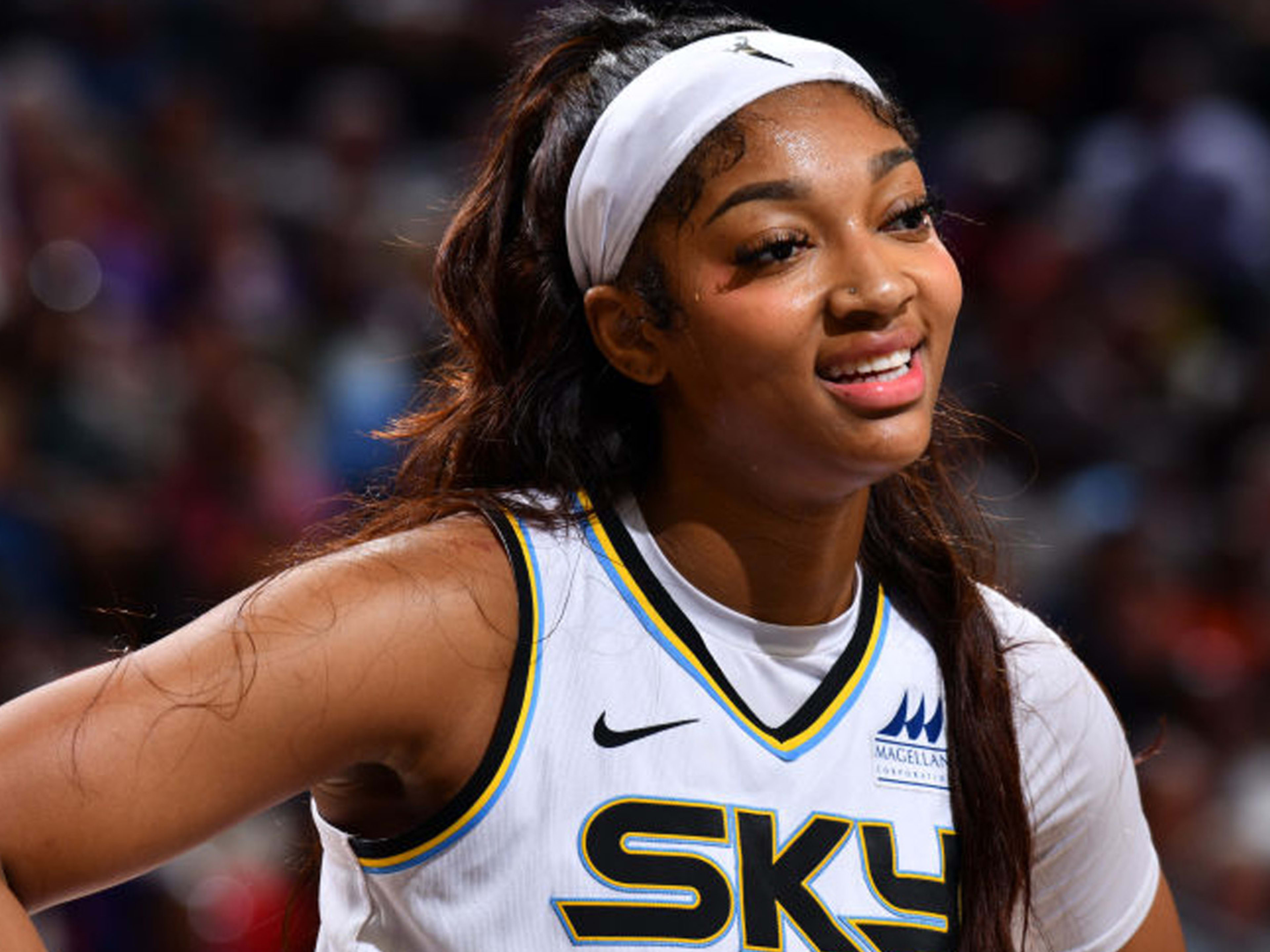
The roar of the crowd, the sold-out arenas, the record-shattering television ratings—by all appearances, the Women’s National Basketball Association (WNBA) is having its moment. Fueled by a transcendent rookie class led by phenom Caitlin Clark, the league has captured the public’s imagination in a way it never has before. Merchandise is flying off the shelves, and names like Angel Reese and Paige Bueckers are becoming household staples. Yet, beneath this glossy surface of newfound popularity, a storm is brewing, one that threatens to bring the entire enterprise to a screeching halt.
The WNBA is barreling towards a potential lockout, a self-inflicted crisis that could poison its golden era before it has a chance to truly flourish. With the current collective bargaining agreement (CBA) set to expire in October 2025, players are rightfully demanding a larger share of the burgeoning revenue. They are seeking higher salaries, better travel accommodations, and a benefits package that reflects their status as elite professional athletes. The problem? The league, despite its recent surge, is still not profitable.
This is the central conflict, the inconvenient truth at the heart of the impending labor dispute. While the “Caitlin Clark Effect” is undeniably real, it has not yet translated into the kind of financial stability that can support the players’ demands. And that has veterans of the basketball world, like three-time NBA champion Byron Scott, sounding the alarm.
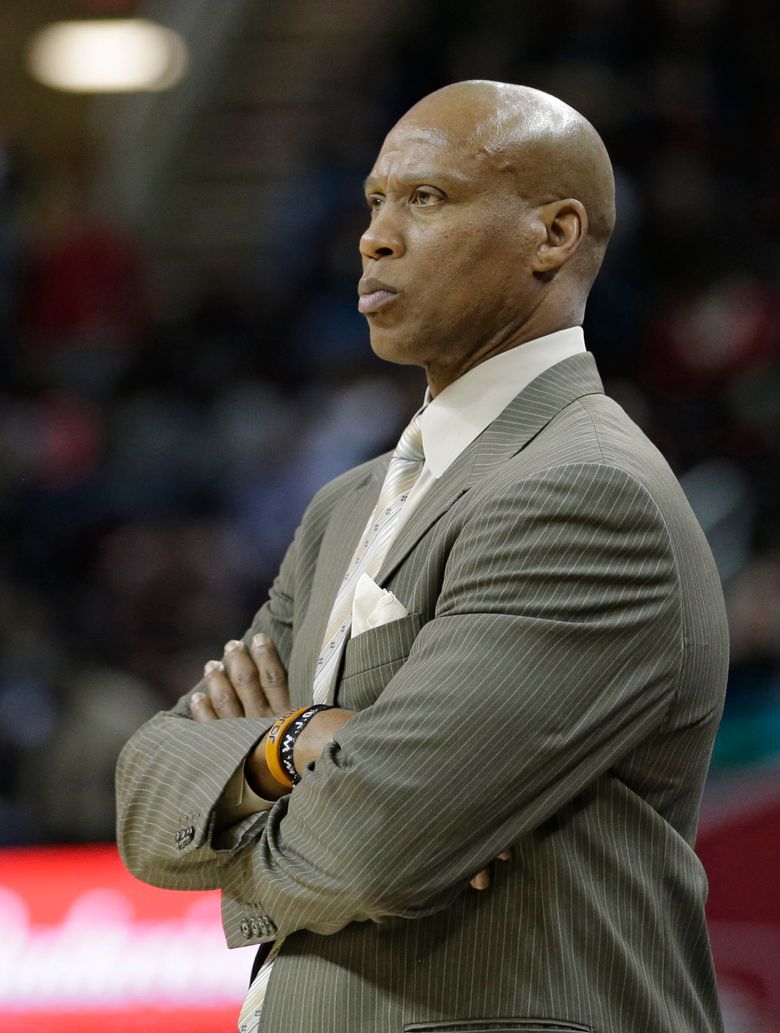
“Get profitable first,” Scott stated in a recent, candid interview, offering a dose of harsh reality to the conversation. “You can’t want all the things that the NBA has, and you’re not a profitable league yet.”
Scott’s comments cut to the core of the issue. The players, represented by the Women’s National Basketball Players Association (WNBPA), are advocating for a 50% revenue share, mirroring the structure of the NBA’s CBA. On the surface, it seems like a fair demand for an equal partnership. However, the scale of the two leagues is vastly different. The NBA is a global juggernaut that generates over $10 billion in annual revenue. The WNBA, by contrast, brings in an estimated $200 million. Fifty percent of a massive pie is a feast; fifty percent of a much smaller one is still not enough to satisfy everyone’s hunger.
The players argue that a greater investment in their salaries and conditions is necessary to grow the league. They contend that better pay would not only reward them for their world-class talent but also allow them to focus solely on their WNBA careers, rather than having to play overseas during the offseason to supplement their income—a grueling practice that has led to injuries and burnout for many stars. They see the current media rights deal, valued at around $60 million annually, as a starting point, with a much more lucrative deal expected on the horizon.
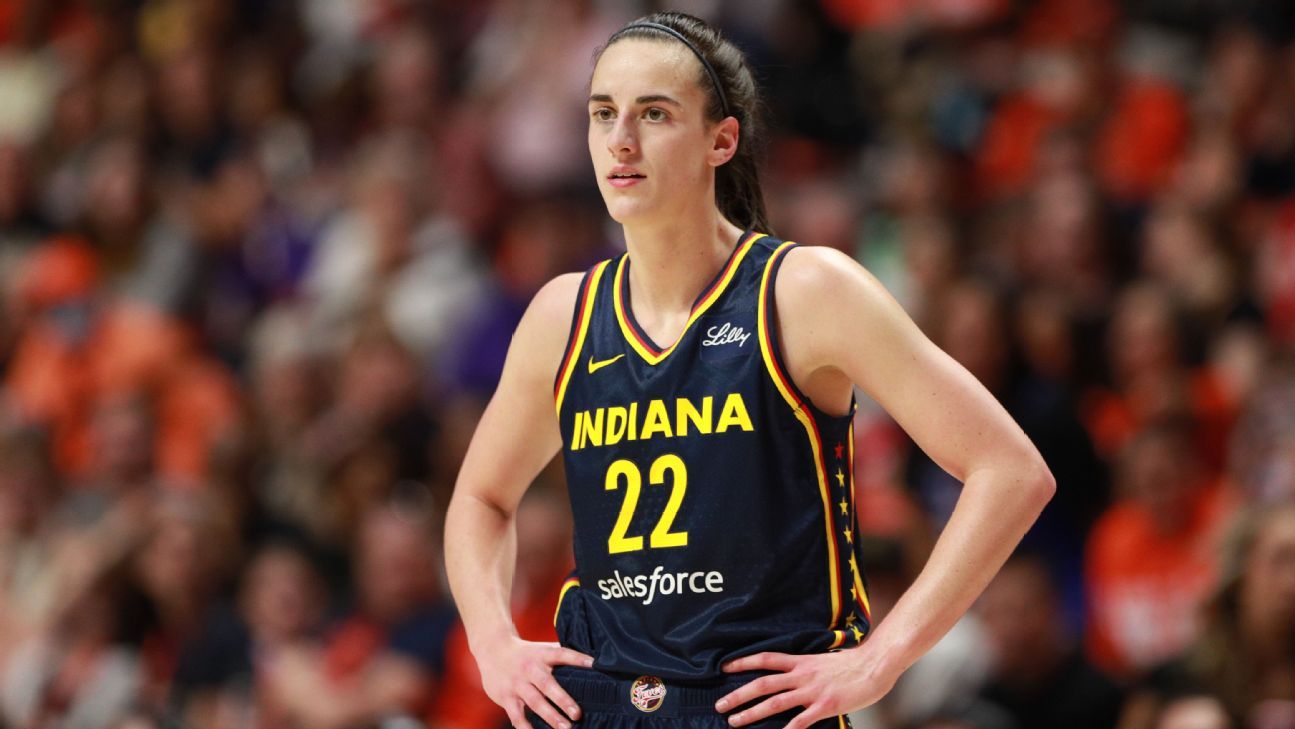
However, the league’s financial footing remains precarious. Many franchises are still operating in the red, subsidized by their NBA counterparts. The recent influx of cash from viewership and ticket sales is a welcome change, but it’s a surge, not a sustainable tide. This is where the league’s management has come under fire. Critics argue that the WNBA has been slow to capitalize on the Clark phenomenon, failing to adequately market its stars or protect them from the on-court animosity that has unfortunately become a major storyline.
The controversy surrounding the hard fouls and targeted aggression against Clark has been a particularly sore point. Instead of being celebrated as the generational talent who is lifting all boats, she has been treated as a target, with the league’s response often perceived as weak and reactive. This has led to a narrative that the WNBA is squandering its golden opportunity, allowing internal jealousies and a lack of foresight to diminish a moment of unprecedented growth.
“The hype has died and gone away,” declared sports commentator John Liquid, expressing a sentiment shared by a growing number of observers. He argues that the momentum is fleeting and that without the superstar power of players like Clark, the league’s viewership numbers would quickly revert to their previously modest levels.
This is the tightrope the WNBA is walking. It needs its stars to drive interest and revenue, but it also needs to build a sustainable business model that isn’t dependent on a handful of magnetic personalities. A lockout would be catastrophic, a public relations nightmare that would alienate the very fans the league has worked so hard to attract. It would halt all momentum, erase the gains of the past year, and reinforce the cynical view that the league is its own worst enemy.
As the deadline for a new CBA approaches, both sides are digging in. The players believe they have earned the right to demand more, that their sacrifice and talent should be rewarded, and that a bold investment is the only way to secure the league’s long-term future. The owners, on the other hand, are looking at the balance sheets, conscious that a premature financial commitment could jeopardize the entire operation.
The coming months will be a crucial test of leadership, vision, and compromise. Can the WNBA find a middle ground that honors its players’ contributions while acknowledging its financial realities? Can it build a future that is not just about a single superstar, but about the strength of the entire league? Or will it succumb to internal conflict, shutting its doors at the very moment the world is finally paying attention? The clock is ticking, and the future of women’s professional basketball hangs in the balance.
News
THEY LAUGHED WHEN THE “COFFEE GIRL” ASKED TO SHOOT — BUT WHEN SHE TOUCHED THE GUN OF THAT DIFFICULT RIFLE, A GENERAL CAME UP AND SALUTED HER.
CHAPTER 1: THE INVISIBLE WOMAN Dawn cracks over the Arizona desert like a bruised knuckle—purple, orange, and violent. Captain Emily Brooks woke without an alarm at 0400. She always did. Her body was tuned to a rhythm that didn’t exist…
They Called Her “De3d Weight” And Mocked Her “PTSD” — But When The Commander Whispered Two Words, The “BROKEN” Soldier Didn’t Just Wake Up… She Became The Most Dangerous Person In The Room
Chapter 1: The Dead Weight The brake lights of the transport van burned red against the bleaching sun of the Nevada desert. Staff Sergeant Olivia Harper stepped onto the cracked asphalt, her boots crunching on the grit. She favored her…

MY FATHER ACCUSED ME OF BEING A TRAITOR AND HE TOASTED HIS GLASS FOR IT. BUT UNFORTUNATELY HE CELEBRATED TOO SOON, BECAUSE RIGHT THERE, MY SEAL TEAM BURST IN SAYING, “ADMIRAL, WE’VE ARRIVED”
PART 1: THE ACCUSATION Chapter 1: The Sound of Steel The applause was polite, measured, the kind of sound that fills a room but never actually reaches the heart. It was the sound of Charleston high society pretending to care…
THEY LAUGHED AT THE “OFFICE GIRL” WHO SAID SHE COULD DISARM THE NUKE… UNTIL SHE TYPED IN A CODE THAT DOESN’T EXIST?
PART 1: THE INVISIBLE WOMAN Chapter 1: The Dead Man’s Switch The radio crackles with the sound of a man dying. Then, static. Then, the terrified voice of a corporal screaming into the void. “All units, code black! I repeat,…

THEY RIPPED HER FACE APART TO “SAVE THE UNIVERSE” — The horrifying truth about ancient Egypt’s most terrifying, censored fears that they hid from textbooks that you never knew existed.
PART 1: THE PURIFICATION Chapter 1: The Weight of the Placard The year is 1473 Before Christ. The location is the west bank of the Nile, just outside the sprawling, golden city of Thebes. Dawn is breaking, but it brings…

Jon Stewart SLAMS Desk, Calls Out 25 Hollywood Names on Live TV; The One Line That Sent Panic Across Los Angeles Studios
THE NIGHT THE DAILY SHOW STOPPED LAUGHING: How Eight Heavyweights, One Line, and Twenty Minutes Ignited a National Reckoning On most nights, late-night television functions as America’s unofficial cultural therapy, an escape valve where comedy dilutes the severity of the…
End of content
No more pages to load