The Stephen King Apology: A Viral Misstep and a Lesson in Modern Discourse
In the fast-paced, often-turbulent world of social media, information and misinformation travel at the same breakneck speed. A recent digital firestorm involving two towering figures from opposite ends of America’s cultural landscape—celebrated author Stephen King and conservative activist Charlie Kirk—has provided a stark reminder of this reality. A single, since-deleted post from King triggered a wave of outrage, which was followed by a rare and candid public mea culpa. The incident, culminating in the Stephen King apology, serves as a powerful case study on the importance of verification in an era defined by polarized political discourse. It highlights how easily context can be lost, how quickly accusations can spread, and the significant impact of taking accountability in the public square. This event transcended a simple online spat, evolving into a broader conversation about digital citizenship and the responsibility that comes with a platform, regardless of one’s fame or following.

The Spark of the Controversy: A Deleted Post and a Misinterpreted Quote
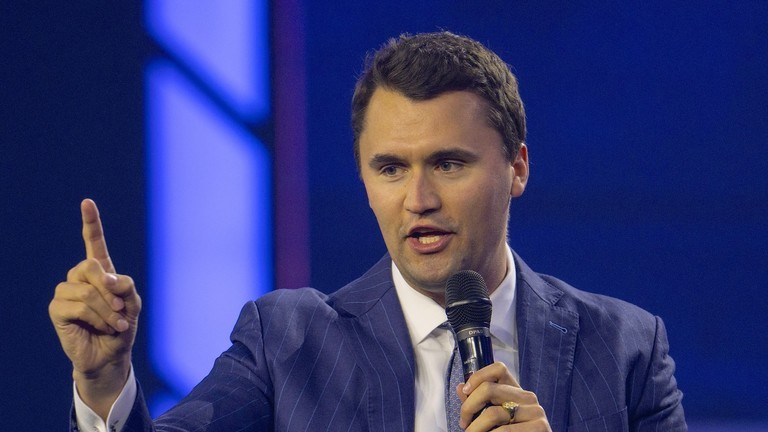
The entire affair began with a post on the social media platform X, where Stephen King, known for his prolific literary output and equally prolific liberal commentary, made a serious accusation against Charlie Kirk. King asserted that Kirk, the co-founder of the conservative youth organization Turning Point USA, had “advocated stoning gays.” The claim was explosive, tapping into deep-seated cultural and political fault lines. Given King’s massive following, the post quickly gained traction, spreading across the platform and fueling condemnation of Kirk. However, the assertion was based on a fundamental misreading of Kirk’s original comments. The post, which King would later delete, became the catalyst for a fierce debate that demonstrated the potent combination of celebrity influence and the lightning-fast spread of information online. It was a digital shot heard ’round the political world, setting the stage for a dramatic confrontation and an even more dramatic reversal.

Unpacking the Charlie Kirk Controversy: What Was Actually Said?
To understand the Stephen King apology, one must first understand the comments that were misinterpreted. The controversy stems from a 2024 episode of Charlie Kirk’s podcast. During the show, Kirk was critiquing the children’s YouTube personality Ms. Rachel for her inclusive messaging. Ms. Rachel had cited the biblical passage from Leviticus, “love thy neighbor,” to advocate for the acceptance of gay individuals. Kirk’s response was not an endorsement of Levitical law but rather a critique of what he saw as selective theological reasoning. He pointed out that the same book of the Bible contains extremely harsh edicts, including the line, “‘thou shall lay with another man shall be stoned to death.’” Kirk’s point, as he framed it, was to demonstrate how some people “cherry-pick” biblical passages to fit a modern narrative while ignoring others that are more challenging or severe. His intention was to highlight a perceived inconsistency in using ancient scripture to support contemporary social views. It was this nuanced, albeit contentious, argument about biblical interpretation that was flattened into the inaccurate claim that he was personally advocating for violence. This context is crucial, as it shifts the narrative from an endorsement of brutality to a debate over scriptural application, a distinction King initially missed.
The Backlash and the Public Correction: A Lesson in Fact-Checking Importance
The reaction to King’s post was immediate and intense, particularly from conservative circles where Charlie Kirk is a leading voice. Figures across the right-wing media landscape condemned the author for spreading a harmful falsehood. Among the most prominent critics was Texas Senator Ted Cruz, who did not mince words in his response. He labeled King a “horrible, evil, twisted liar” for the accusation, reflecting the depth of anger over the mischaracterization. The sheer volume and ferocity of the backlash created a counter-narrative that quickly gained momentum, pressuring King to address the situation. This public outcry underscored a critical aspect of today’s media environment: while misinformation can spread rapidly, so can corrections, especially when a community feels one of its prominent members has been wronged. The incident became a textbook example of the fact-checking importance in real-time, driven by a highly engaged and motivated audience. It was a stark lesson that in the digital arena, claims are scrutinized, and accountability is often demanded publicly.
Dissecting the Stephen King Apology
Faced with the mounting criticism and the clear evidence that he had misinterpreted Kirk’s words, Stephen King took a step that is increasingly rare for public figures: he issued a direct and unambiguous apology. In a new post on X, he retracted his earlier claim. “I apologize for saying Charlie Kirk advocated stoning gays,” King wrote. “What he actually demonstrated was how some people cherry-pick Biblical passages.” This statement not only corrected the record but also accurately summarized the context of Kirk’s original point.
Acknowledging the Failure of Due Diligence
King went further in a subsequent post, directly addressing the root of his error. Responding to the sharp criticism from Senator Ted Cruz, he wrote, “The horrible, evil, twisted liar apologizes. This is what I get for reading something on Twitter [without] fact-checking. Won’t happen again.” This admission was significant, as it moved beyond a simple correction of fact to a moment of self-reflection on his own media consumption habits. The Stephen King apology was not just a retraction but also a cautionary tale about the perils of accepting information at face value, even from sources one might typically trust. It served as a public acknowledgment of his role in amplifying social media misinformation and a promise to exercise greater diligence in the future.
Two Titans of American Culture: King & Kirk’s Digital Clash
The intense reaction to this online exchange is amplified by the prominent, and diametrically opposed, roles Stephen King and Charlie Kirk occupy in American society. King is more than a master of horror fiction; he is a cultural institution and an outspoken liberal voice who frequently uses his platform to critique former President Donald Trump and the modern Republican party. His opinions carry weight with millions of followers who see him as a voice of reason and progressive values. On the other side, Charlie Kirk has risen to become one of the most influential figures in the conservative movement. Through Turning Point USA, he has successfully mobilized a new generation of young conservatives and established himself as a staunch ally of President Trump. He is a formidable force in right-wing media, shaping political discourse for his own massive audience. This incident was therefore not just a disagreement between two individuals but a clash between two powerful cultural ambassadors, each representing a different vision for the country. The intense political discourse surrounding their interaction reflects the broader polarization of the nation itself.
Conclusion: A Cautionary Tale for the Digital Age
The brief but intense saga of Stephen King’s false claim, the subsequent backlash, and the eventual Stephen King apology offers a vivid and timely lesson for our hyper-connected world. It demonstrates with perfect clarity how a single unverified piece of information, amplified by a powerful voice, can ignite a firestorm of outrage and contribute to an already toxic political climate. The incident underscores the critical necessity for every social media user—from the globally famous to the everyday citizen—to embrace the principle of “trust, but verify.” King’s willingness to publicly admit his mistake and pinpoint his failure to fact-check stands as a commendable, if rare, example of accountability. Ultimately, this episode is a microcosm of the larger challenges posed by social media misinformation. It reminds us that behind every post, every share, and every comment is a responsibility to engage with information critically and to prioritize accuracy over outrage. In the digital public square, a moment’s pause for verification can prevent enormous damage and, perhaps, foster a healthier and more honest discourse for everyone.
News
THEY LAUGHED WHEN THE “COFFEE GIRL” ASKED TO SHOOT — BUT WHEN SHE TOUCHED THE GUN OF THAT DIFFICULT RIFLE, A GENERAL CAME UP AND SALUTED HER.
CHAPTER 1: THE INVISIBLE WOMAN Dawn cracks over the Arizona desert like a bruised knuckle—purple, orange, and violent. Captain Emily Brooks woke without an alarm at 0400. She always did. Her body was tuned to a rhythm that didn’t exist…

They Called Her “De3d Weight” And Mocked Her “PTSD” — But When The Commander Whispered Two Words, The “BROKEN” Soldier Didn’t Just Wake Up… She Became The Most Dangerous Person In The Room
Chapter 1: The Dead Weight The brake lights of the transport van burned red against the bleaching sun of the Nevada desert. Staff Sergeant Olivia Harper stepped onto the cracked asphalt, her boots crunching on the grit. She favored her…

MY FATHER ACCUSED ME OF BEING A TRAITOR AND HE TOASTED HIS GLASS FOR IT. BUT UNFORTUNATELY HE CELEBRATED TOO SOON, BECAUSE RIGHT THERE, MY SEAL TEAM BURST IN SAYING, “ADMIRAL, WE’VE ARRIVED”
PART 1: THE ACCUSATION Chapter 1: The Sound of Steel The applause was polite, measured, the kind of sound that fills a room but never actually reaches the heart. It was the sound of Charleston high society pretending to care…

THEY LAUGHED AT THE “OFFICE GIRL” WHO SAID SHE COULD DISARM THE NUKE… UNTIL SHE TYPED IN A CODE THAT DOESN’T EXIST?
PART 1: THE INVISIBLE WOMAN Chapter 1: The Dead Man’s Switch The radio crackles with the sound of a man dying. Then, static. Then, the terrified voice of a corporal screaming into the void. “All units, code black! I repeat,…

THEY RIPPED HER FACE APART TO “SAVE THE UNIVERSE” — The horrifying truth about ancient Egypt’s most terrifying, censored fears that they hid from textbooks that you never knew existed.
PART 1: THE PURIFICATION Chapter 1: The Weight of the Placard The year is 1473 Before Christ. The location is the west bank of the Nile, just outside the sprawling, golden city of Thebes. Dawn is breaking, but it brings…

Jon Stewart SLAMS Desk, Calls Out 25 Hollywood Names on Live TV; The One Line That Sent Panic Across Los Angeles Studios
THE NIGHT THE DAILY SHOW STOPPED LAUGHING: How Eight Heavyweights, One Line, and Twenty Minutes Ignited a National Reckoning On most nights, late-night television functions as America’s unofficial cultural therapy, an escape valve where comedy dilutes the severity of the…
End of content
No more pages to load