The silence was deafening. For nearly a week, late-night television viewers in more than 30 major markets across America were plunged into a bizarre media blackout, their televisions displaying extended local newscasts instead of the familiar face of Jimmy Kimmel. This was no technical glitch or contractual dispute; this was a war for control of the public airwaves, a high-stakes power move orchestrated by the titans of local broadcasting.

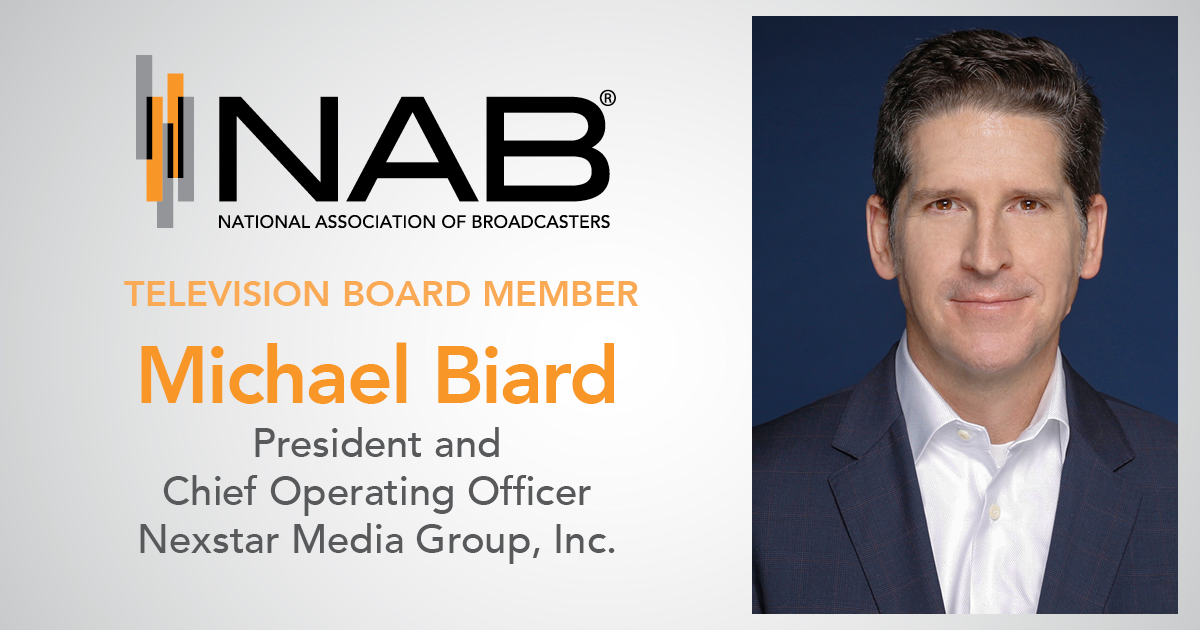
At the heart of the drama lay Nexstar Media Group, the largest owner of local television stations in the nation. As the blackout finally came to a tense, negotiated end, the company’s leadership—CEO Perry Sook and President Michael Biard—issued a remarkable internal memo to their employees, whom they affectionately addressed as “Members of the Nexstar Nation.” The document, dripping with corporate resolve and righteous indignation, provided the first clear, unvarnished look at the internal principles guiding a decision that had sent shockwaves from Hollywood soundstages to the highest regulatory offices in Washington.
The message was unambiguous, setting a firm line in the sand regarding the conduct of nationally syndicated talent: “No one has an unlimited right to say whatever they want on a talk show,” Sook and Biard asserted.
The Stewardship of the Airwaves: A Corporate Mandate
Nexstar’s defense was not couched in terms of ratings or political affinity. Instead, it was strategically framed as a solemn duty to the communities they serve. As FCC licensees, the memo reminded its recipients, local broadcasters possess a profound obligation: the “duty to program in the public interest.” This duty, the executives argued, supersedes the traditional affiliate relationship with the national networks.
The company positioned itself as the last bastion of local sensibility, the firewall against national programming deemed too inflammatory or divisive for regional audiences. “Every network and station has made tough calls when on-air conduct crosses a line,” the memo read. “That isn’t a violation of the First Amendment—it’s an exercise of editorial responsibility and stewardship of the public airwaves.”

This is the central, audacious claim of the memo: that their action was not censorship, but an ethical exercise of their journalistic and corporate responsibility. By framing the dispute in the specialized terminology of broadcast law and station licensing, Nexstar transformed what looked to many like a simple boycott into a fundamental defense of their role as the gatekeepers of American media.
Fallout on the Front Lines
The memo offered a rare glimpse into the corporate cost of such a massive public standoff. While the high-level executives engaged in “constructive discussions” with Disney/ABC, the company’s local stations and staff became the unwitting infantry in the national media battle.
Sook and Biard admitted the decision created “difficult, and at times distressing, circumstances” for their ABC affiliates. These local stations—serving communities that suddenly felt cut off from a popular national program—were placed directly on the front lines. The memo confirmed that some staff faced “hostile and even threatening reactions” from viewers, advertisers, and community members.
The executives did not apologize for the turmoil. Instead, they commended the fortitude of their staff, elevating the experience into a kind of corporate heroism: “We regret that, but we also know standing by principle requires fortitude and a willingness to take the harder path.”
This acknowledgment serves multiple purposes: it validates the sacrifices made by local employees, justifies the severity of the original action, and reinforces the belief that the company was acting from a position of unwavering principle, even at great internal cost.
The Elephant in the Control Room
No corporate memo about a broadcast suspension in this climate could avoid the specter of regulatory pressure. The controversy began following Kimmel’s highly charged monologue, which drew immediate and vocal criticism from the chairman of the Federal Communications Commission (FCC), Brendan Carr. Carr, a high-level presidential appointee, had openly praised Nexstar’s decision to preempt the show, a move that many observers argued was a clear exertion of governmental influence on private broadcast decisions.
Given that Nexstar has a massive, multi-billion-dollar merger with rival station owner Tegna pending before the FCC—a transaction requiring the agency’s approval—the timing of the boycott was immediately suspect.
The Nexstar memo directly addressed this explosive accusation. The company maintained a firm denial, insisting the decision to pull the show was made “unilaterally by the senior executive team at Nexstar,” and that they had “no communication” with any government agency prior to the move. While the corporate statement stands, the fact remains that the action was a powerful demonstration of allegiance to the very political forces who could influence their crucial business dealings.
This delicate dance—the assertion of independent editorial control while simultaneously navigating a charged regulatory environment—shows how modern corporate media battles are fought not just for ratings, but for regulatory survival.
The Return: Cooler Heads and Compromise
Ultimately, the standoff could not last. The combined blackout by Nexstar and Sinclair, which owns the largest ABC affiliate group, effectively removed the program from approximately 25% of the country’s television households. The financial and public relations pressure—compounded by reports of consumers canceling streaming subscriptions in protest and advertisers pausing contracts—reached a boiling point.
Sook and Biard confirmed that the show was finally being restored following a period of “constructive discussions” with executives at The Walt Disney Company (ABC’s parent company). The decision, they wrote, was driven by a desire for “cooler heads to prevail during this sensitive time in our national political discourse.”
The outcome was a corporate stalemate, a negotiated truce rather than a victory for either side. While Nexstar and Sinclair ended the blackout, Disney/ABC did not concede to any major editorial or content changes. However, the affiliates had successfully proven their power: they are not mere conduits for national content, but essential gatekeepers capable of inflicting serious financial and public damage on a network. The entire episode serves as a powerful, chilling reminder that the line between “editorial responsibility” and corporate control of the national narrative has never been thinner. The ultimate winner remains unclear, but the new reality is this: local broadcast giants now hold the veto power over Hollywood’s biggest stars.
News
THEY LAUGHED WHEN THE “COFFEE GIRL” ASKED TO SHOOT — BUT WHEN SHE TOUCHED THE GUN OF THAT DIFFICULT RIFLE, A GENERAL CAME UP AND SALUTED HER.
CHAPTER 1: THE INVISIBLE WOMAN Dawn cracks over the Arizona desert like a bruised knuckle—purple, orange, and violent. Captain Emily Brooks woke without an alarm at 0400. She always did. Her body was tuned to a rhythm that didn’t exist…
They Called Her “De3d Weight” And Mocked Her “PTSD” — But When The Commander Whispered Two Words, The “BROKEN” Soldier Didn’t Just Wake Up… She Became The Most Dangerous Person In The Room
Chapter 1: The Dead Weight The brake lights of the transport van burned red against the bleaching sun of the Nevada desert. Staff Sergeant Olivia Harper stepped onto the cracked asphalt, her boots crunching on the grit. She favored her…
MY FATHER ACCUSED ME OF BEING A TRAITOR AND HE TOASTED HIS GLASS FOR IT. BUT UNFORTUNATELY HE CELEBRATED TOO SOON, BECAUSE RIGHT THERE, MY SEAL TEAM BURST IN SAYING, “ADMIRAL, WE’VE ARRIVED”
PART 1: THE ACCUSATION Chapter 1: The Sound of Steel The applause was polite, measured, the kind of sound that fills a room but never actually reaches the heart. It was the sound of Charleston high society pretending to care…
THEY LAUGHED AT THE “OFFICE GIRL” WHO SAID SHE COULD DISARM THE NUKE… UNTIL SHE TYPED IN A CODE THAT DOESN’T EXIST?
PART 1: THE INVISIBLE WOMAN Chapter 1: The Dead Man’s Switch The radio crackles with the sound of a man dying. Then, static. Then, the terrified voice of a corporal screaming into the void. “All units, code black! I repeat,…
THEY RIPPED HER FACE APART TO “SAVE THE UNIVERSE” — The horrifying truth about ancient Egypt’s most terrifying, censored fears that they hid from textbooks that you never knew existed.
PART 1: THE PURIFICATION Chapter 1: The Weight of the Placard The year is 1473 Before Christ. The location is the west bank of the Nile, just outside the sprawling, golden city of Thebes. Dawn is breaking, but it brings…

Jon Stewart SLAMS Desk, Calls Out 25 Hollywood Names on Live TV; The One Line That Sent Panic Across Los Angeles Studios
THE NIGHT THE DAILY SHOW STOPPED LAUGHING: How Eight Heavyweights, One Line, and Twenty Minutes Ignited a National Reckoning On most nights, late-night television functions as America’s unofficial cultural therapy, an escape valve where comedy dilutes the severity of the…
End of content
No more pages to load