In the high-stakes world of Washington politics, where power and ideology clash on a daily basis, a new battlefront has emerged, one that strikes at the very heart of the American workforce. In a move that has been met with immediate and fierce condemnation, Donald Trump has issued a stunning new executive order aimed at dismantling the collective bargaining rights of federal employees in some of the nation’s most crucial agencies. The order, which invokes a rarely-used provision related to national security, effectively strips union protections from workers at places like NASA, the National Weather Service, and the U.S. patent office. This action is being framed by critics not as a matter of policy, but as a deliberate and deeply ideological assault on the rights of American workers, a shocking new low in a long-running campaign to reshape the government and consolidate power.
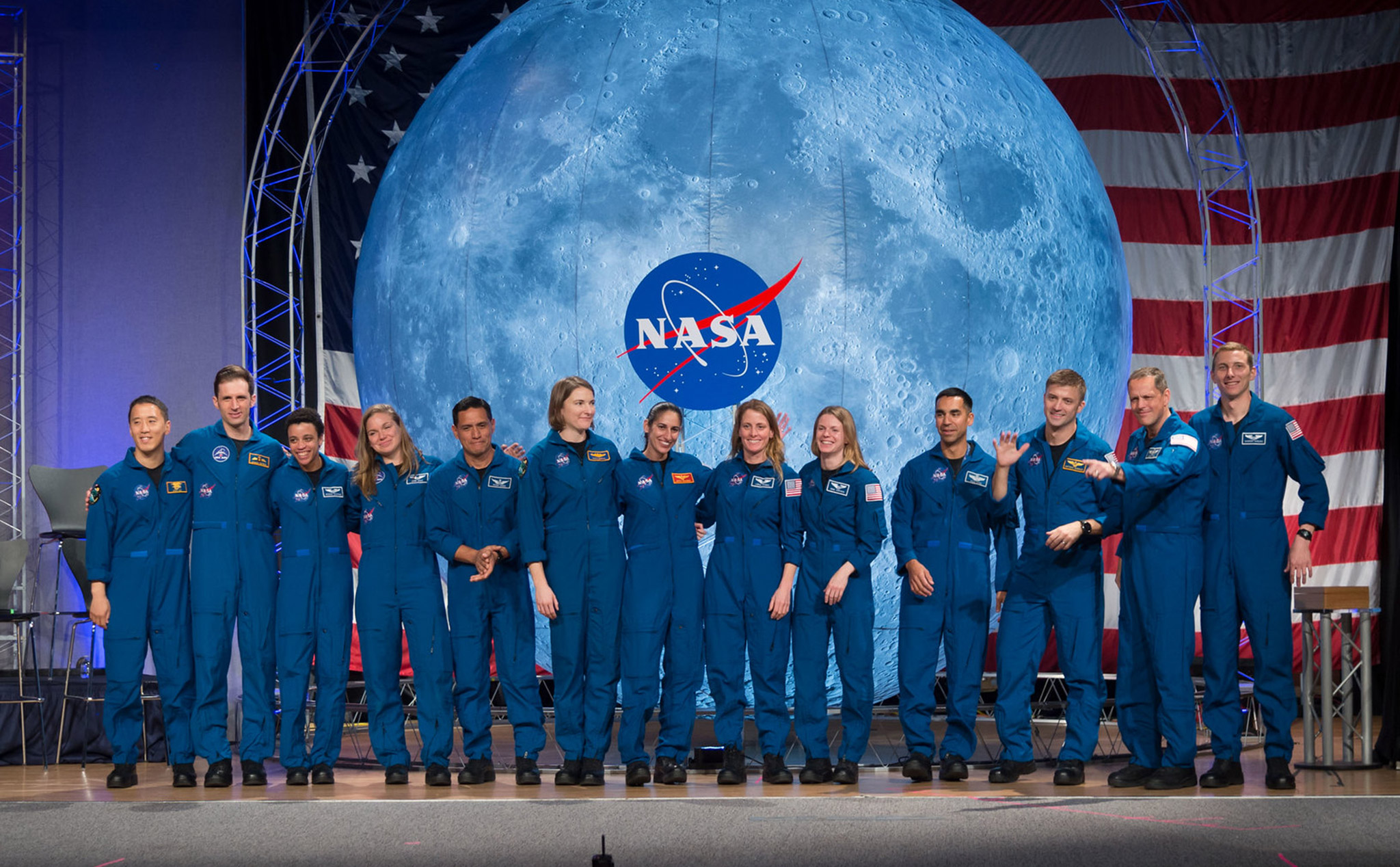
The executive order itself is a legal maneuver wrapped in political rhetoric. It targets several key agencies, including the International Trade Administration, the U.S. Agency for Global Media, and parts of the Bureau of Reclamation, in addition to the more widely known NASA and National Weather Service. By claiming that these agencies have a “primary function” related to national security, the administration has deployed a loophole in a decades-old law to justify its decision. This legal end-run allows the administration to effectively void existing collective bargaining agreements and eliminate long-standing protections for thousands of civil servants.
The impact on these workers will be immediate and severe. Without a union, they will lose access to a neutral arbitrator to resolve workplace disputes, a crucial safeguard against arbitrary or unfair disciplinary actions. They will also lose the right for union stewards and leaders to be granted time on the job to represent their colleagues and engage in contract negotiations. These are not minor perks; they are fundamental rights that provide a voice and a measure of power to the workers, preventing them from being exploited or abused by their superiors. For many, this move is a chilling echo of a time before organized labor, a world where the boss had absolute and unquestioned authority.
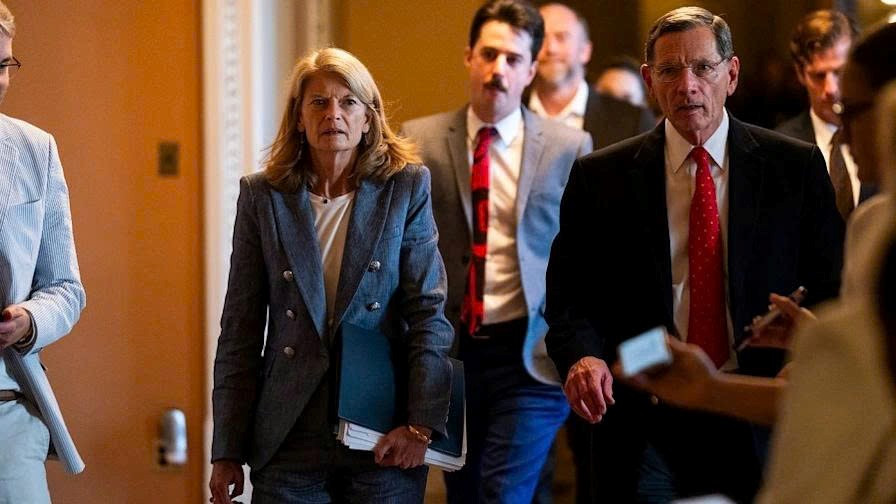
But the outrage from labor leaders goes far beyond the loss of these specific protections. For them, this executive order is a transparent act of retaliation. Everett Kelley, the president of the American Federation of Government Employees, was unequivocal in his condemnation. He described the order as “another clear example of retaliation against federal employee union members who have bravely stood up against his anti-worker, anti-American plan to dismantle the federal government.” According to Kelley, the administration is deliberately punishing workers for their opposition to a broader agenda of gutting the federal bureaucracy to fund tax cuts for the wealthy. This move, he argues, is the ultimate expression of the administration’s contempt for the very idea of a strong and independent public workforce. “This latest executive order is another clear example of retaliation against federal employee union members who have bravely stood up against his anti-worker, anti-American plan to dismantle the federal government,” stated Everett Kelley, president of the American Federation of Government Employees.
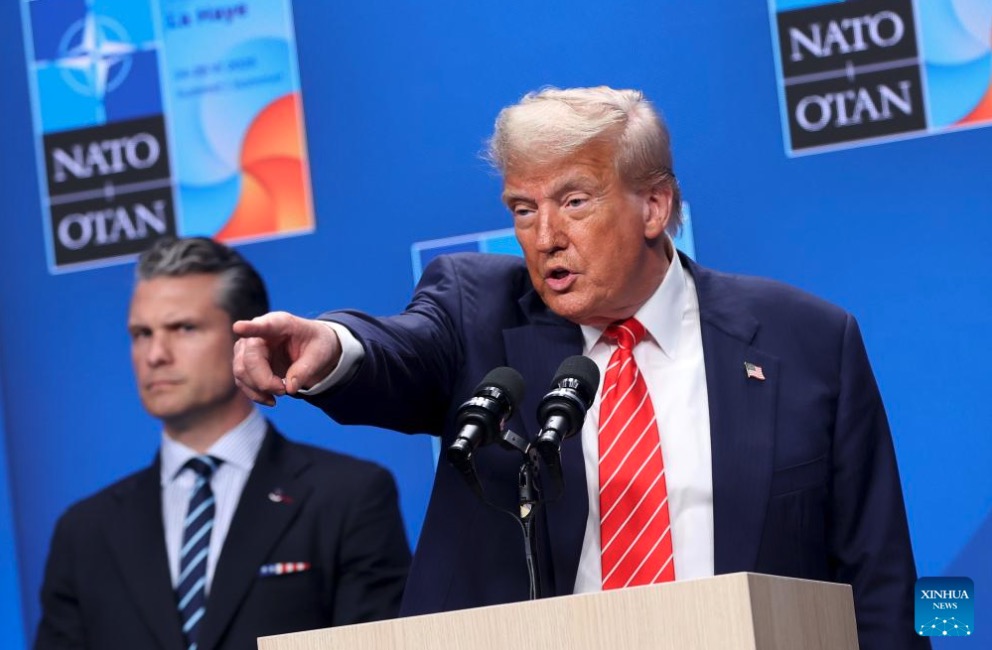
The decision to target agencies like NASA and the National Weather Service is particularly galling for union leaders. Both of these agencies, according to Kelley, have already been “hollowed out” by previous budget cuts. To “further disenfranchise” the remaining workers in the name of “efficiency” is, in his words, “immoral and abhorrent.” The narrative being advanced by the administration—that these unions are a hindrance to progress and efficiency—is seen as a dangerous falsehood. The reality, union advocates argue, is that unions are essential to a well-functioning government, providing a mechanism for conflict resolution, boosting morale, and ensuring that employees have a voice in the decisions that affect their work and their lives. “Several agencies, including NASA and the National Weather Service, have already been hollowed out by reckless DOGE cuts, so for the administration to further disenfranchise the remaining workers in the name of ‘efficiency’ is immoral and abhorrent,” he added.
This latest development is a perfect encapsulation of the central conflict of the modern American political landscape. On one side, there is the belief in a strong federal government and a protected workforce, one that serves the public good and is not subject to the whims of political leaders. On the other, there is a deep ideological antipathy towards government and organized labor, a belief that these institutions are inefficient, corrupt, and stand in the way of a more streamlined, private-sector-driven economy. This new executive order is not a small-scale policy change; it is a major escalation in a long-running war. It is an act of pure ideology, a clear message to American workers that in this version of the country, their rights are not guaranteed and their voices will not be heard.
News

THEY LAUGHED WHEN THE “COFFEE GIRL” ASKED TO SHOOT — BUT WHEN SHE TOUCHED THE GUN OF THAT DIFFICULT RIFLE, A GENERAL CAME UP AND SALUTED HER.
CHAPTER 1: THE INVISIBLE WOMAN Dawn cracks over the Arizona desert like a bruised knuckle—purple, orange, and violent. Captain Emily Brooks woke without an alarm at 0400. She always did. Her body was tuned to a rhythm that didn’t exist…
They Called Her “De3d Weight” And Mocked Her “PTSD” — But When The Commander Whispered Two Words, The “BROKEN” Soldier Didn’t Just Wake Up… She Became The Most Dangerous Person In The Room
Chapter 1: The Dead Weight The brake lights of the transport van burned red against the bleaching sun of the Nevada desert. Staff Sergeant Olivia Harper stepped onto the cracked asphalt, her boots crunching on the grit. She favored her…

MY FATHER ACCUSED ME OF BEING A TRAITOR AND HE TOASTED HIS GLASS FOR IT. BUT UNFORTUNATELY HE CELEBRATED TOO SOON, BECAUSE RIGHT THERE, MY SEAL TEAM BURST IN SAYING, “ADMIRAL, WE’VE ARRIVED”
PART 1: THE ACCUSATION Chapter 1: The Sound of Steel The applause was polite, measured, the kind of sound that fills a room but never actually reaches the heart. It was the sound of Charleston high society pretending to care…
THEY LAUGHED AT THE “OFFICE GIRL” WHO SAID SHE COULD DISARM THE NUKE… UNTIL SHE TYPED IN A CODE THAT DOESN’T EXIST?
PART 1: THE INVISIBLE WOMAN Chapter 1: The Dead Man’s Switch The radio crackles with the sound of a man dying. Then, static. Then, the terrified voice of a corporal screaming into the void. “All units, code black! I repeat,…

THEY RIPPED HER FACE APART TO “SAVE THE UNIVERSE” — The horrifying truth about ancient Egypt’s most terrifying, censored fears that they hid from textbooks that you never knew existed.
PART 1: THE PURIFICATION Chapter 1: The Weight of the Placard The year is 1473 Before Christ. The location is the west bank of the Nile, just outside the sprawling, golden city of Thebes. Dawn is breaking, but it brings…

Jon Stewart SLAMS Desk, Calls Out 25 Hollywood Names on Live TV; The One Line That Sent Panic Across Los Angeles Studios
THE NIGHT THE DAILY SHOW STOPPED LAUGHING: How Eight Heavyweights, One Line, and Twenty Minutes Ignited a National Reckoning On most nights, late-night television functions as America’s unofficial cultural therapy, an escape valve where comedy dilutes the severity of the…
End of content
No more pages to load