“Jordan Rules” in the WNBA? Former NBA Player Claims League Is Failing to Protect Caitlin Clark
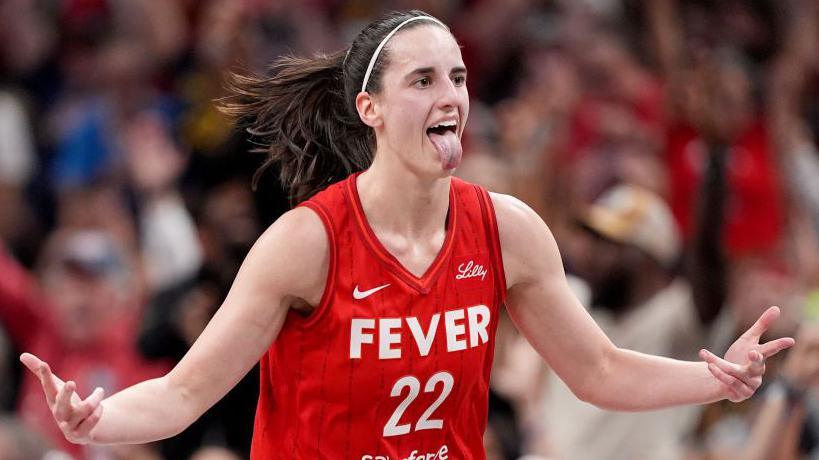
The arrival of Caitlin Clark has been nothing short of a seismic event for the WNBA. Shattering viewership records and packing arenas across the country, she has brought an unprecedented level of attention and energy to the league. Yet, alongside the fanfare and sold-out crowds, a more troubling narrative has emerged—one defined by hard fouls, aggressive physicality, and a growing debate about whether the league is doing enough to safeguard its newest superstar. This conversation has been simmering since her rookie season began, but it reached a boiling point when a former NBA veteran stepped forward with a powerful historical comparison. Olden Polynice, a center who played for over a decade in the NBA, ignited a firestorm by suggesting that the treatment of Clark is eerily reminiscent of the infamous “Jordan Rules.” He argues that the league is mishandling its most valuable asset, a “golden egg” that could secure its financial future for years to come. The discussion around the Caitlin Clark WNBA phenomenon has now shifted from her on-court brilliance to a critical question of protection and preservation.
Olden Polynice Sounds the Alarm
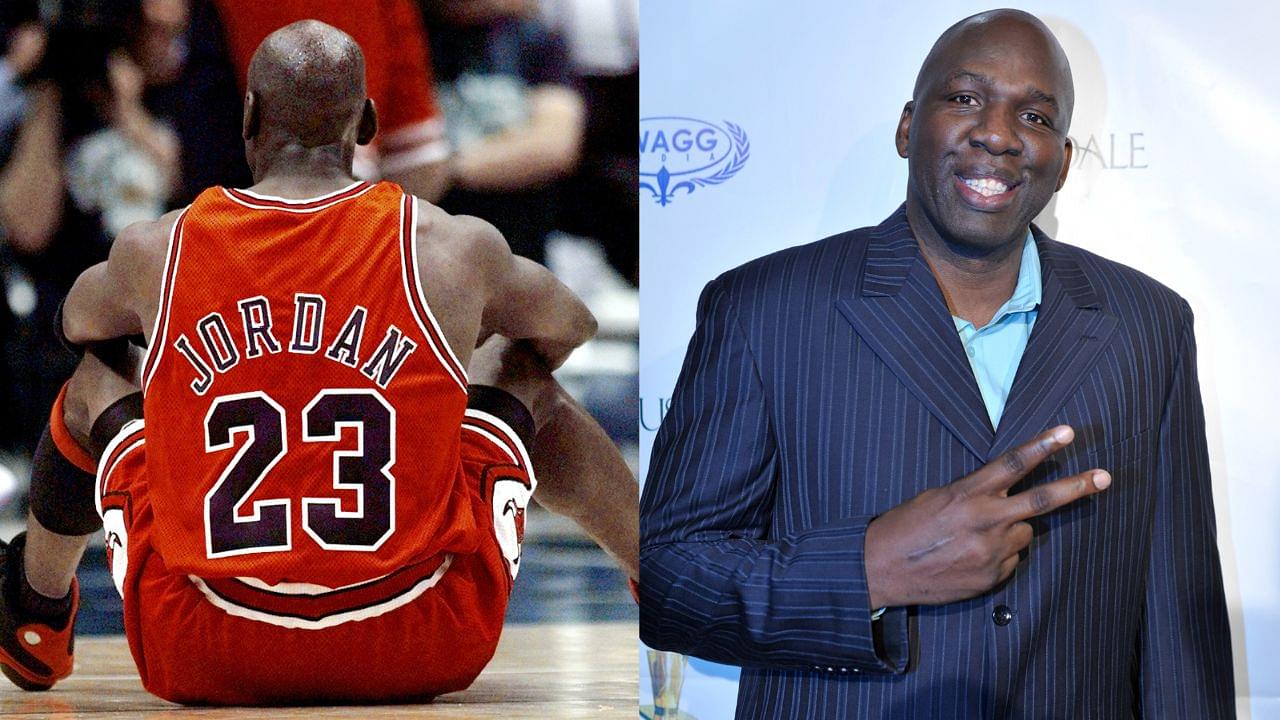
Appearing on Byron Scott’s “Fast Break” podcast, Olden Polynice did not mince words. The former center, known for his time with teams like the Seattle SuperSonics and Sacramento Kings, expressed a sentiment shared by many fans and analysts: the WNBA needs to wake up and protect its investment. “You don’t even take care of your own,” Polynice stated bluntly. “You had the golden egg and you still do, but yet you clown. Caitlin Clark is your golden egg.” His criticism was aimed not just at the league’s front office but also at the players themselves, who he suggested are complicit in a system that allows their biggest draw to endure overly physical play. Polynice pointed to Clark’s grueling initial schedule, which pitted her against the two toughest defenses in the league right out of the gate. This, he argued, was not setting a rookie up for success but rather throwing her to the wolves, all in the name of maximizing early television exposure. The result was a brutal 1-9 start for the Indiana Fever, a stretch that saw Clark subjected to relentless defensive pressure and a highlight reel of hard hits that often crossed the line from competitive to concerning.
The “Golden Egg” and the Financial Stakes
Polynice’s “golden egg” analogy is more than just a clever phrase; it’s a stark financial reality. Caitlin Clark’s impact on the WNBA’s bottom line is undeniable and historic. Her presence has led to a dramatic surge in ticket sales, with teams moving games to larger NBA arenas just to accommodate the demand. Television ratings have skyrocketed, bringing a new and massive audience to the sport. When rumors of her potential absence from a game against the Washington Mystics surfaced, thousands of ticket holders reportedly stayed home, leaving a visibly empty arena—a clear testament to her drawing power. This is the financial engine that Polynice argues the league and its players are failing to appreciate. He, along with others, contends that every player’s paycheck is indirectly tied to the revenue Clark generates. By allowing her to be physically targeted, they are not just jeopardizing one player’s health; they are threatening the collective financial growth of the entire league. The frustration, as Polynice sees it, is that this reality seems lost on those within the league, who appear to be more focused on a perceived rivalry than on the bigger picture of shared prosperity.
A Modern-Day “Jordan Rules”? The Parallels in Physicality
The most striking part of Polynice’s argument is his comparison to the “Jordan Rules.” Pioneered by the “Bad Boy” Detroit Pistons of the late 1980s, the strategy was simple and brutal: if Michael Jordan drove to the basket, make him pay for it. Players like Bill Laimbeer and Rick Mahorn were notorious for delivering punishing fouls to prevent Jordan from dominating. The league eventually stepped in, recognizing that its brightest star needed protection from tactics designed to injure rather than to play defense. Polynice sees a direct parallel in the way opponents are treating Clark.
How the Caitlin Clark WNBA Era Echoes History
From the moment she stepped onto a professional court, Clark has been the subject of physical play that often seems to exceed the bounds of normal competition. She has been hit with hard fouls, body-checked away from the ball, and targeted with a level of aggression that has led to flagrant fouls and even ejections for her opponents. The argument is that this isn’t just tough defense; it’s a concerted effort to intimidate and physically wear down the league’s most popular player. Much like the Pistons did with Jordan, teams appear to be sending a message: your talent won’t be enough here. This comparison to the Jordan Rules serves as a historical precedent, suggesting that leagues have a responsibility to intervene when on-court aggression targets a specific player in a way that threatens their safety and the integrity of the game.
League Dynamics: Jealousy, Competition, and Responsibility
The dynamic at play is complex. On one hand, every player in the WNBA is a world-class competitor. The desire to prove oneself against the most hyped rookie in a generation is natural. However, the line between intense competition and unsportsmanlike conduct is one that many feel has been repeatedly crossed. The source of this aggression is often attributed to jealousy. Some players seem resentful of the massive attention Clark has received, feeling that their own hard work and talent have been overlooked. This sentiment, while perhaps understandable, becomes problematic when it manifests as dangerous play on the court.
Is the Caitlin Clark WNBA Phenomenon Too Much for its Own Good?
This is where the debate over WNBA protecting players becomes critical. The league is caught in a difficult position. It wants to promote its star and capitalize on her popularity, but it also must maintain a sense of competitive balance and fairness. If it appears to be giving Clark special treatment, it risks alienating other players. Yet, if it fails to curb the excessive physicality against her, it risks not only injury to its biggest asset but also alienating the millions of new fans she has brought to the sport. Polynice and others argue that the league and the players need to recognize that what is good for Caitlin Clark is ultimately good for everyone in the WNBA. Protecting her is not about favoritism; it’s about protecting the future of the league itself.
In conclusion, the debate swirling around Caitlin Clark is about much more than just a few hard fouls. It’s a conversation about the soul of the WNBA and its vision for the future. Olden Polynice’s comparison to the “Jordan Rules” has given a powerful name to a phenomenon that fans have been observing all season. His “golden egg” metaphor underscores the immense financial stakes involved, framing the issue as one of critical business sense, not just on-court conduct. The league is at a crossroads, facing a test of leadership. It must decide how to navigate the delicate balance between fostering fierce competition and ensuring the safety of a player who represents a once-in-a-generation opportunity for growth. How the league, its players, and its officials respond to this challenge will have lasting consequences. Ultimately, the handling of the Caitlin Clark WNBA situation could define the league’s trajectory for years to come, determining whether it capitalizes on this moment to soar to new heights or allows internal friction to undermine its own bright future.
News

THEY LAUGHED WHEN THE “COFFEE GIRL” ASKED TO SHOOT — BUT WHEN SHE TOUCHED THE GUN OF THAT DIFFICULT RIFLE, A GENERAL CAME UP AND SALUTED HER.
CHAPTER 1: THE INVISIBLE WOMAN Dawn cracks over the Arizona desert like a bruised knuckle—purple, orange, and violent. Captain Emily Brooks woke without an alarm at 0400. She always did. Her body was tuned to a rhythm that didn’t exist…

They Called Her “De3d Weight” And Mocked Her “PTSD” — But When The Commander Whispered Two Words, The “BROKEN” Soldier Didn’t Just Wake Up… She Became The Most Dangerous Person In The Room
Chapter 1: The Dead Weight The brake lights of the transport van burned red against the bleaching sun of the Nevada desert. Staff Sergeant Olivia Harper stepped onto the cracked asphalt, her boots crunching on the grit. She favored her…

MY FATHER ACCUSED ME OF BEING A TRAITOR AND HE TOASTED HIS GLASS FOR IT. BUT UNFORTUNATELY HE CELEBRATED TOO SOON, BECAUSE RIGHT THERE, MY SEAL TEAM BURST IN SAYING, “ADMIRAL, WE’VE ARRIVED”
PART 1: THE ACCUSATION Chapter 1: The Sound of Steel The applause was polite, measured, the kind of sound that fills a room but never actually reaches the heart. It was the sound of Charleston high society pretending to care…

THEY LAUGHED AT THE “OFFICE GIRL” WHO SAID SHE COULD DISARM THE NUKE… UNTIL SHE TYPED IN A CODE THAT DOESN’T EXIST?
PART 1: THE INVISIBLE WOMAN Chapter 1: The Dead Man’s Switch The radio crackles with the sound of a man dying. Then, static. Then, the terrified voice of a corporal screaming into the void. “All units, code black! I repeat,…

THEY RIPPED HER FACE APART TO “SAVE THE UNIVERSE” — The horrifying truth about ancient Egypt’s most terrifying, censored fears that they hid from textbooks that you never knew existed.
PART 1: THE PURIFICATION Chapter 1: The Weight of the Placard The year is 1473 Before Christ. The location is the west bank of the Nile, just outside the sprawling, golden city of Thebes. Dawn is breaking, but it brings…

Jon Stewart SLAMS Desk, Calls Out 25 Hollywood Names on Live TV; The One Line That Sent Panic Across Los Angeles Studios
THE NIGHT THE DAILY SHOW STOPPED LAUGHING: How Eight Heavyweights, One Line, and Twenty Minutes Ignited a National Reckoning On most nights, late-night television functions as America’s unofficial cultural therapy, an escape valve where comedy dilutes the severity of the…
End of content
No more pages to load