The Matthew Dowd MSNBC Firing: Analyst Claims Network Caved to ‘Media Mob’
In the volatile world of 24-hour news, a single on-air statement during a breaking event can have career-altering consequences. This became the stark reality for political analyst Matthew Dowd, whose contract with MSNBC was abruptly terminated following comments he made about conservative activist Charlie Kirk. The controversy surrounding the Matthew Dowd MSNBC separation has since spiraled into a larger conversation about media responsibility, corporate accountability, and the powerful sway of public opinion. Dowd found himself at the epicenter of a firestorm after linking what he described as divisive rhetoric to tangible actions while live on air. The network’s reaction was immediate and absolute, ending his employment within hours. Now, Dowd has broken his silence, asserting in a public post that his words were twisted by a coordinated “Right Wing media mob” and that MSNBC ultimately capitulated to the pressure. This claim stands in contrast to the network’s position, which framed the firing as a necessary response to insensitive commentary during a tragedy, leaving a complex situation for the public to dissect.
The On-Air Moment That Ignited the Controversy
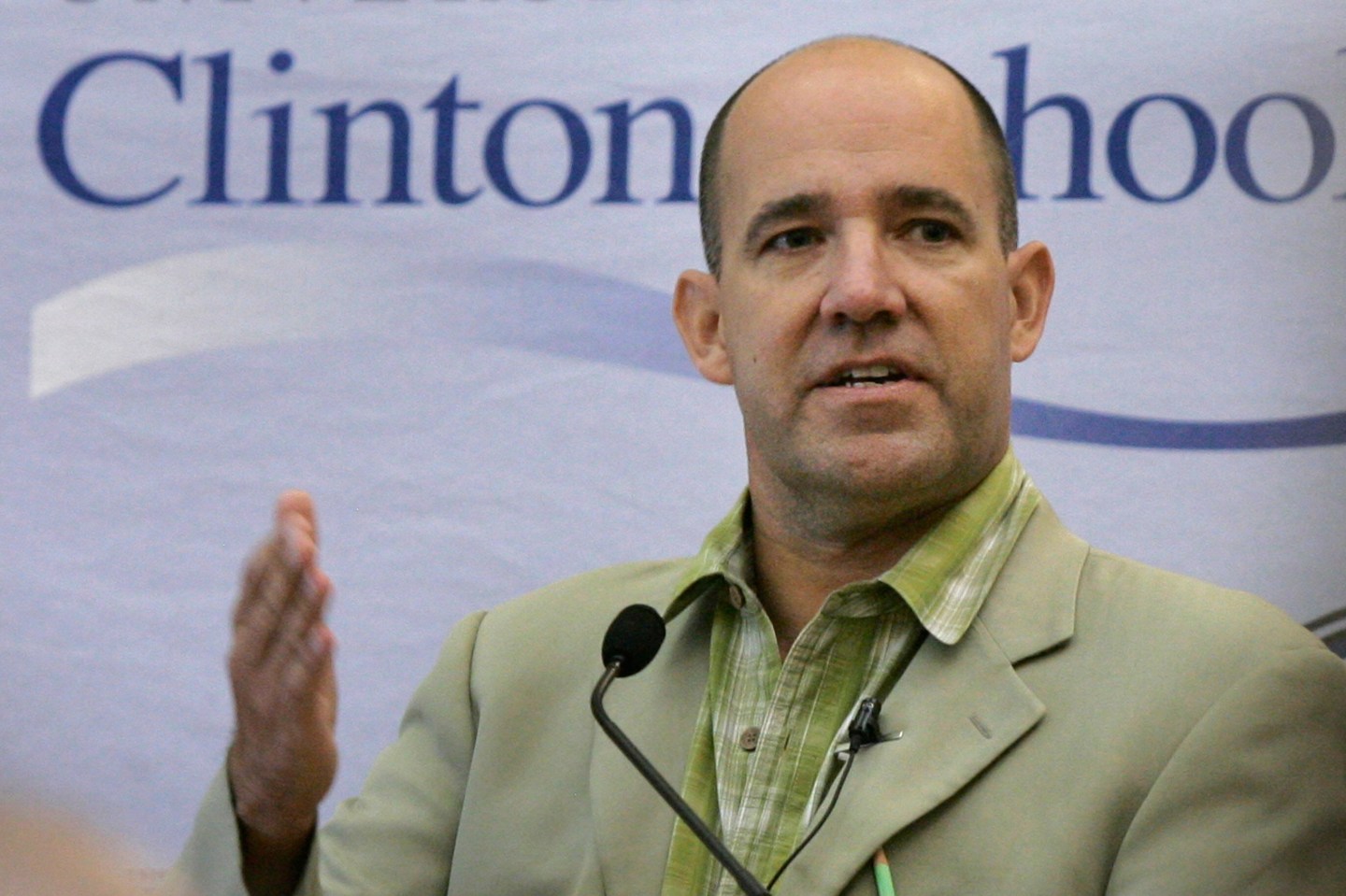
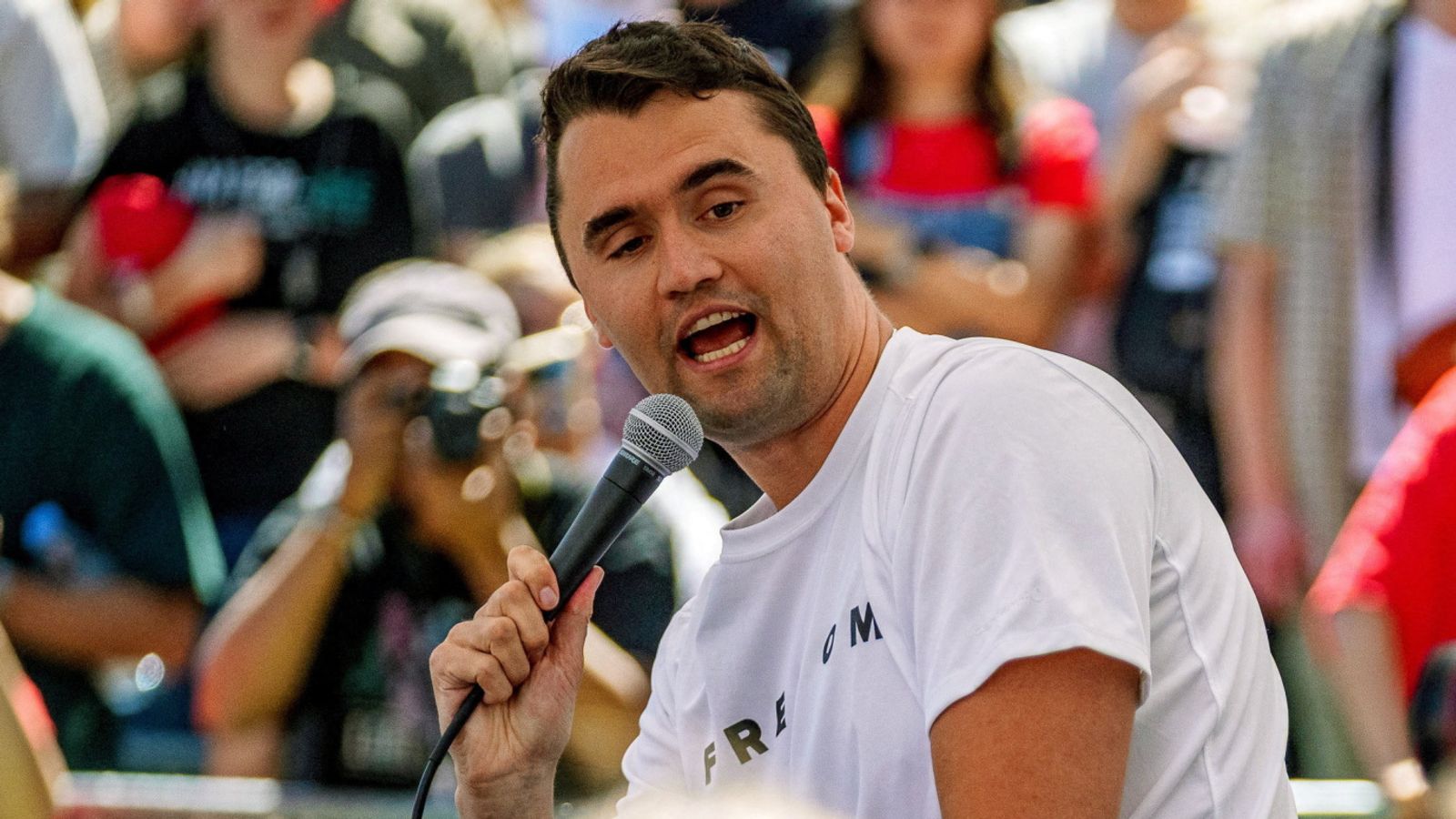
The incident unfolded during a live broadcast anchored by Katy Tur, as early, chaotic reports of a shooting at Utah Valley University were coming in. When asked to comment on the political climate surrounding such an event, Dowd focused his analysis on Charlie Kirk, founder of Turning Point USA. He described Kirk as “one of the most divisive, especially divisive younger figures,” before drawing a direct correlation between rhetoric and action. “Hateful thoughts lead to hateful words, which then lead to hateful actions,” Dowd stated. “You can’t stop with these sort of awful thoughts you have and then saying these awful words and not expect awful actions to take place.”
According to Dowd’s later account, his commentary was delivered at a time when the only confirmed detail was that shots had been fired; it was not yet public knowledge that Kirk himself was the intended target. Dowd insists he even urged caution on air, saying, “we needed to get the facts.” However, the proximity of his sharp critique of Kirk to the breaking news of violence at an event Kirk was attending created an explosive and immediate backlash. The Matthew Dowd comments were interpreted by many as a direct and premature accusation, regardless of his stated intent, setting the stage for the dramatic fallout with the network.
Dowd’s Rebuttal: Misconstrued Words and Mob Pressure
In a detailed Substack post, Matthew Dowd offered a staunch defense of his actions and intentions, framing the entire episode as a gross mischaracterization fueled by a political agenda. He wrote unequivocally, “The Right Wing media mob ginned up, went after me on a plethora of platforms, and MSNBC reacted to that mob.” At the heart of his argument is the issue of timing. Dowd contends that the crucial context—that he spoke before anyone knew the details of the Charlie Kirk shooting—was deliberately ignored in the rush to condemn him. His goal, he claims, was not to blame Kirk for the specific incident but to speak on the broader “toxic time in America.”
Dowd also shared that he apologized for any “miscommunication on my part,” suggesting an awareness that his words, however intended, had been poorly received. His narrative paints him as a casualty of today’s hyper-partisan media landscape, where a nuanced point can be stripped of context and weaponized. In his view, the story of the MSNBC analyst fired is one where the network, despite its own people understanding the situation, chose to appease an outraged digital mob rather than stand by its commentator.
The Network’s Decisive Action and the Comcast Memo
While Dowd points to external forces, sources from within the network and its parent company, Comcast, tell a different story. A source familiar with the decision informed Variety that MSNBC’s leadership made the call to terminate Dowd’s contract within hours of his broadcast appearance, insisting the choice was independent of outside pressure. This suggests that the network’s own standards were the primary driver of the decision. The company’s stance was further cemented in an unambiguous internal communication.
In a rare and direct Comcast memo sent to all Comcast and NBCUniversal employees, top executives, including CEO Brian Roberts, addressed the incident head-on. They characterized Dowd’s on-air statement as an “unacceptable and insensitive comment about this horrific event.” The memo went on to state that Dowd’s coverage was “at odds with fostering civil dialogue and being willing to listen to the points of view of those who have differing opinions.” It concluded with a clear mandate for the organization: “We should be able to disagree, robustly and passionately, but, ultimately, with respect. We need to do better.” This official document solidifies the company’s narrative: the firing was a principled decision based on internal standards of journalistic ethics and respect, not a reaction to public outcry.
Life After MSNBC: Dowd’s Next Chapter
In the wake of the firing, the full tragedy of the Utah Valley University shooting became clear, with President Trump later announcing that Charlie Kirk had died from his injuries. For Dowd, the professional fallout was compounded by the gravity of the event. He described being in “shell shock” and feeling “down and a bit disheartened” by the sudden and dramatic turn his career had taken. From a respected national analyst to an unemployed commentator in a matter of hours, the experience was jarring.
Despite the setback, Dowd has made it clear he intends to remain a public voice. He announced plans to continue writing on Substack and speaking on other platforms, dedicating his efforts to “unite our country around a common-sense vision of ideals and values.” This mission, he feels, is more critical than ever. He ended his public statement with a message of resilience, affirming his “hope and faith in a majority of Americans” to seek common ground. While the Matthew Dowd MSNBC chapter is over, his work in the political arena is poised to continue, albeit from a new and different platform.
The saga of the Matthew Dowd MSNBC termination serves as a stark reminder of the razor-thin margin for error in live news. Dowd’s narrative portrays a commentator whose words were decontextualized and used against him by a partisan mob, forcing his employer’s hand. Conversely, the network’s actions, backed by a definitive corporate memo, project an image of a media organization upholding its own ethical code in a moment of crisis. Was it a necessary enforcement of standards or a fearful concession to pressure? The incident leaves behind a critical debate on the delicate balance between incisive analysis and responsible commentary when a story is still breaking and lives hang in the balance.
News
THEY LAUGHED WHEN THE “COFFEE GIRL” ASKED TO SHOOT — BUT WHEN SHE TOUCHED THE GUN OF THAT DIFFICULT RIFLE, A GENERAL CAME UP AND SALUTED HER.
CHAPTER 1: THE INVISIBLE WOMAN Dawn cracks over the Arizona desert like a bruised knuckle—purple, orange, and violent. Captain Emily Brooks woke without an alarm at 0400. She always did. Her body was tuned to a rhythm that didn’t exist…
They Called Her “De3d Weight” And Mocked Her “PTSD” — But When The Commander Whispered Two Words, The “BROKEN” Soldier Didn’t Just Wake Up… She Became The Most Dangerous Person In The Room
Chapter 1: The Dead Weight The brake lights of the transport van burned red against the bleaching sun of the Nevada desert. Staff Sergeant Olivia Harper stepped onto the cracked asphalt, her boots crunching on the grit. She favored her…
MY FATHER ACCUSED ME OF BEING A TRAITOR AND HE TOASTED HIS GLASS FOR IT. BUT UNFORTUNATELY HE CELEBRATED TOO SOON, BECAUSE RIGHT THERE, MY SEAL TEAM BURST IN SAYING, “ADMIRAL, WE’VE ARRIVED”
PART 1: THE ACCUSATION Chapter 1: The Sound of Steel The applause was polite, measured, the kind of sound that fills a room but never actually reaches the heart. It was the sound of Charleston high society pretending to care…
THEY LAUGHED AT THE “OFFICE GIRL” WHO SAID SHE COULD DISARM THE NUKE… UNTIL SHE TYPED IN A CODE THAT DOESN’T EXIST?
PART 1: THE INVISIBLE WOMAN Chapter 1: The Dead Man’s Switch The radio crackles with the sound of a man dying. Then, static. Then, the terrified voice of a corporal screaming into the void. “All units, code black! I repeat,…

THEY RIPPED HER FACE APART TO “SAVE THE UNIVERSE” — The horrifying truth about ancient Egypt’s most terrifying, censored fears that they hid from textbooks that you never knew existed.
PART 1: THE PURIFICATION Chapter 1: The Weight of the Placard The year is 1473 Before Christ. The location is the west bank of the Nile, just outside the sprawling, golden city of Thebes. Dawn is breaking, but it brings…
Jon Stewart SLAMS Desk, Calls Out 25 Hollywood Names on Live TV; The One Line That Sent Panic Across Los Angeles Studios
THE NIGHT THE DAILY SHOW STOPPED LAUGHING: How Eight Heavyweights, One Line, and Twenty Minutes Ignited a National Reckoning On most nights, late-night television functions as America’s unofficial cultural therapy, an escape valve where comedy dilutes the severity of the…
End of content
No more pages to load