In the world of professional sports, the line between peak performance and physical collapse is perilously thin. Athletes are celebrated for pushing their bodies to the absolute limit, but a growing chorus of voices is asking at what cost. The latest and one of the most resonant voices to join this conversation is that of Phoenix Mercury guard Natasha Cloud, whose recent, unflinching critique of the WNBA’s scheduling has pulled back the curtain on a brewing storm between the players and the league. It’s a conflict not just about dates on a calendar, but about respect, health, and the future of a league in the throes of unprecedented growth.
The flashpoint for Cloud’s public stand was a particularly grueling stretch for her team. The Phoenix Mercury had just endured a brutal marathon of nine games packed into a mere 18 days. For professional athletes, this kind of schedule is more than just tiring; it’s a recipe for injury, burnout, and diminished performance. The essential time needed for physical recovery, treatment, and mental preparation is squeezed out, replaced by a relentless cycle of travel, play, and repeat.
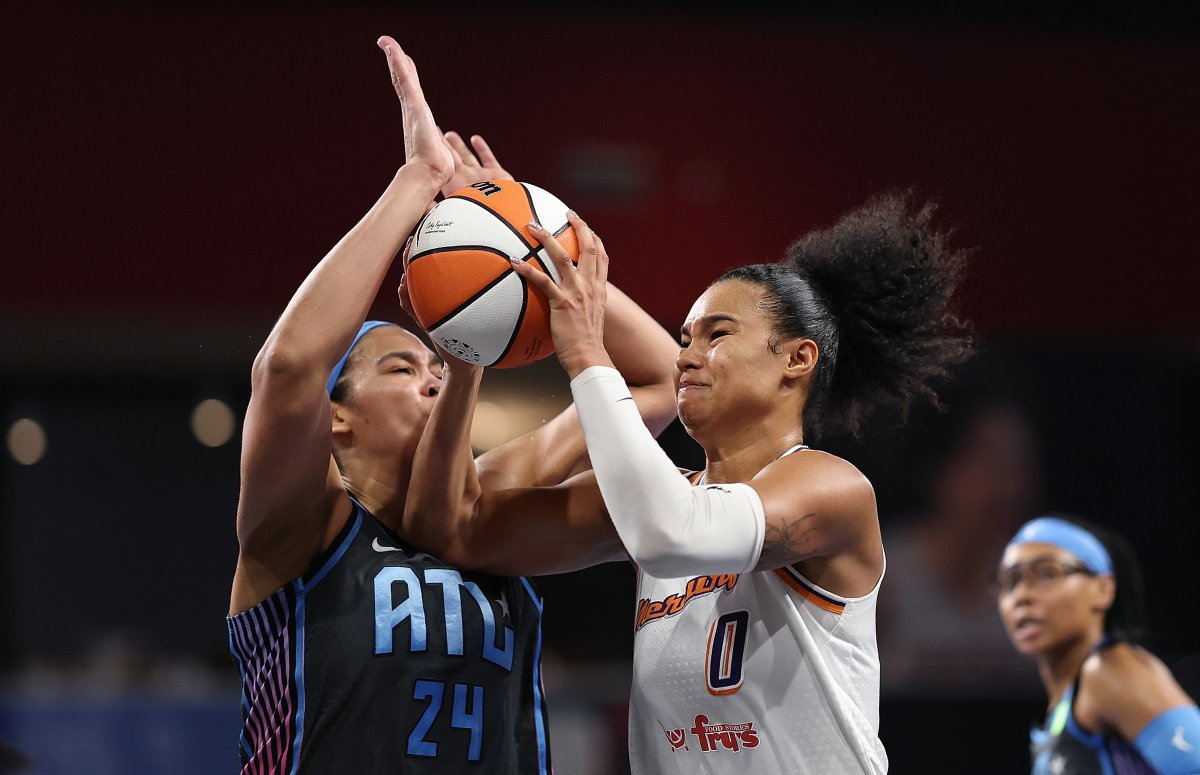
In a moment of raw honesty, Cloud didn’t hold back. She didn’t couch her words in careful diplomacy. Instead, she spoke directly to the heart of the issue, calling the schedule irresponsible and placing the onus on the league’s leadership. Her words were not just a complaint; they were an indictment of a system that, in her view, was prioritizing expansion and commercial interests at the expense of its most valuable asset: the players themselves. “We put our bodies on the line every single time,” she stated, a powerful reminder of the physical sacrifice inherent in the game. This statement resonated deeply across the league and with fans, framing the debate not as one of convenience, but of fundamental player welfare.
This isn’t an isolated incident or the grievance of a single player. Cloud’s comments are symptomatic of a larger, systemic tension within the WNBA. The league is experiencing a meteoric rise in popularity, fueled by a new generation of transcendent stars, record-breaking viewership numbers, and expanding media rights deals. With this growth has come an extended regular-season schedule, now at 44 games, the maximum allowed under the current Collective Bargaining Agreement (CBA). Expansion teams are being added, and the league’s footprint is widening. On the surface, this is all fantastic news. But beneath the celebratory headlines, the infrastructure supporting the players is straining to keep up.

The players are feeling the squeeze. While the addition of charter flights has been a significant and hard-won victory, alleviating some of the logistical nightmares of commercial travel, it doesn’t solve the core problem of a compressed schedule. The human body has its limits, and no amount of travel convenience can replace the need for rest. Injuries are an ever-present threat in professional sports, but a schedule that systematically denies adequate recovery time can turn that threat into an inevitability. Teammates of Cloud, like Kahleah Copper, have already faced injuries, underscoring the very real consequences of the current scheduling philosophy.
Cloud’s vocal criticism is also strategically timed. The WNBA and the players’ union are heading towards crucial negotiations for a new CBA. The current agreement has been opted out of by the players, signaling their intent to demand significant changes. While much of the public discussion has centered on increasing player salaries—a vital and long-overdue adjustment—the issue of working conditions, with scheduling at the forefront, is emerging as an equally critical battleground. The players are not just asking for more pay; they are fighting for the sustainability of their careers. They are asking the league to invest in their health and well-being with the same vigor it invests in marketing and expansion.
The debate extends beyond the regular season. The WNBA All-Star break, for example, has been another point of contention. Unlike in men’s professional leagues where the break provides a genuine mid-season respite, the WNBA’s version is often a whirlwind of obligations followed by an almost immediate return to play. Players have pointed out the absurdity of participating in All-Star festivities only to be on a plane and back in practice within 48 hours. It’s a break in name only, one that adds to the fatigue rather than alleviating it.
Furthermore, the issue is compounded in Olympic years. Instead of extending the overall season to accommodate the month-long break for the games, the league has historically chosen to cram the remaining games into a tighter window. Cloud and other players have advocated for a more common-sense approach: simply lengthen the season. This would allow for a more balanced schedule, protecting players from the heightened risk of injury while still accommodating the league’s international commitments.
The response from the league has been, thus far, muted. But the players’ message is growing louder and more unified. They see the record-breaking media deals and the influx of revenue, and they are demanding that a portion of this new wealth be reinvested in the foundational health of the league’s athletes. It is a classic labor-versus-management struggle, reimagined for the modern sports era. The players are leveraging their growing platform and public influence to advocate for change, using social media and press availability to ensure their concerns are heard loud and clear.
What Natasha Cloud and her fellow players are calling for is a paradigm shift. They are challenging the old-school mentality that athletes should silently endure hardship for the love of the game. They are arguing that a league’s success should be measured not just by its profits, but by how it treats its people. A “brutal” schedule might generate more games and more short-term revenue, but it also creates a product that is diluted by fatigue and depleted by injury. It risks burning out its stars and shortening careers, ultimately harming the very product it aims to sell.
As the WNBA stands at this exciting but precarious crossroads, it faces a critical choice. It can continue down the path of aggressive growth, hoping the players can somehow withstand the mounting physical toll. Or, it can listen to the voices of stars like Natasha Cloud, recognizing that investing in player health is the most critical investment it can make in its own future. The outcome of the upcoming CBA negotiations will be telling. It will reveal whether the league sees its players as partners in its growth or simply as assets to be maximized. The ball is in the WNBA’s court, but Natasha Cloud has made one thing perfectly clear: the players are done playing by the old rules.