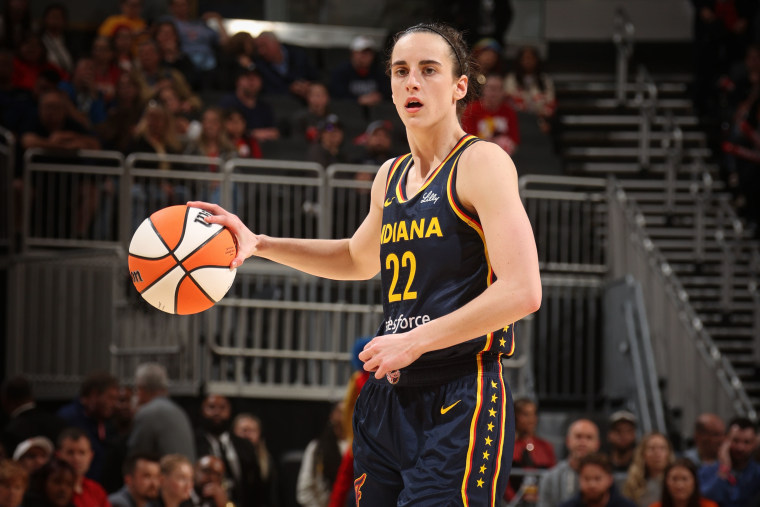
The arrival of Caitlin Clark has been nothing short of a revolution for the WNBA. Arenas sell out, television ratings have skyrocketed, and a new, passionate wave of fans has embraced the league. But with this heightened attention comes a new level of scrutiny, and a growing storm of controversy is now centered on the very team that drafted the collegiate superstar. Fans of the Indiana Fever, once filled with excitement, are now voicing frustration and a sense of betrayal over the handling of Clark’s injury, culminating in an extraordinary step: a petition calling for a federal investigation.
The heart of the issue lies in the communication—or lack thereof—surrounding Clark’s recovery. For an extended period, the official word from the team and the league has been that Clark is “day-to-day.” In the lexicon of professional sports, this term typically suggests a minor ailment, implying a player could return to action at any moment. It creates a sense of imminent possibility, keeping fans hopeful and, more importantly, keeping them invested. However, as days turned into weeks, “day-to-day” began to feel less like a medical update and more like a marketing slogan.
Fans who spent their hard-earned money on tickets, merchandise, and even travel arrangements did so under the belief that they had a strong chance of seeing the generational talent take the court. Stories have emerged of families planning entire trips around a game, only to be met with disappointment. One fan chronicled his experience of selling tickets for a game Clark missed earlier in the season, only to repurchase tickets for a later date in August, believing she would have certainly returned by then. His story, and countless others like it, highlight the real-world financial consequences of what many now see as deliberately vague updates.
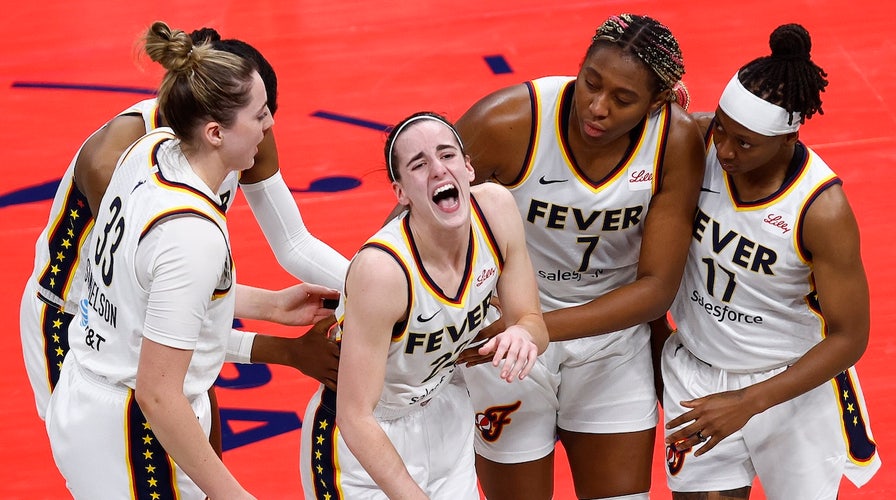
The situation escalated when it was revealed that Clark was dealing with a second, previously undisclosed injury—a bone bruise to her left ankle. This news came after the team had suggested she was progressing, running, and close to rejoining practices. For many, this was the final straw. It painted a picture not of a team providing cautious updates, but of an organization actively concealing the severity of its star player’s condition. The question on everyone’s mind was simple: What did the team know, and when did they know it?
This growing discontent has now been formalized in a public petition urging the Department of Justice (DOJ) and the Federal Trade Commission (FTC) to investigate the WNBA and the Indiana Fever for “consumer deceptive practices.” The petition argues that the league and team have engaged in a “strategic ploy” to drive ticket and merchandise sales by continuously suggesting Clark’s return was just around the corner. It frames the issue not just as a matter of sports reporting, but as a potential case of consumer fraud.
The petition states, “Fans invested their hard-earned money in tickets, streaming packages, and merchandise under the belief that they were given honest information. Instead, it appears coordinated efforts were made between the league and team communications to present a facade of hopeful updates, masking the true status of a player’s injury.” This language is stark, accusing the organizations of a coordinated effort to mislead the public for financial gain. It suggests that the desire to protect revenue streams, heavily reliant on Clark’s presence, has overridden the fundamental obligation of transparency owed to the fanbase.
While the legal merits of such a case remain uncertain, the potential for a public relations disaster for the WNBA is immense. The creator of the petition and its supporters are not necessarily seeking a courtroom victory. Their goal is accountability. They envision a scenario where league officials, from WNBA Commissioner Cathy Engelbert to team representatives, are forced to answer difficult questions under oath in a public forum. The discovery process in a lawsuit could unearth internal emails, text messages, and medical reports, potentially piecing together a timeline that proves the organization was not forthcoming. The resulting media spectacle could inflict far more damage to the league’s reputation than any financial penalty.
This controversy also brings other complex issues to the forefront. With the legalization of sports betting across the country, the integrity of injury reporting has never been more critical. Vague or misleading information doesn’t just disappoint fans; it can have significant impacts on the gambling market, raising further questions about regulatory oversight. The WNBA, having finally achieved a new level of mainstream relevance, now finds itself navigating the same high-stakes pressures that have long plagued leagues like the NFL and NBA.
At its core, this is a crisis of trust. The WNBA is at a pivotal moment, powered by a new generation of stars and a fanbase that is more engaged than ever before. Many of these new fans were drawn in specifically by Caitlin Clark. They are not just passive viewers; they are emotionally and financially invested in her journey and, by extension, the league itself. To alienate this demographic by making them feel manipulated is a perilous misstep. The situation is reminiscent of the loyalty commanded by icons like Michael Jordan, whose absence from a game could instantly devalue a ticket. Fans come to see the stars, and while injuries are an unavoidable part of sports, honesty about those injuries is non-negotiable.
The Indiana Fever and the WNBA are now in a difficult position. Continuing with vague updates will only fuel more suspicion. However, a sudden shift to full transparency might be interpreted as an admission of prior misdirection. As the petition gains signatures and media attention, the pressure to address the fans’ concerns directly will only intensify. This is no longer just about a sprained ankle or a bone bruise. It’s about the fundamental relationship between a professional sports league and the people who keep it in business. The fans have made it clear they expect and deserve honesty. How the WNBA responds will likely define its public image for years to come.