The Indiana Fever are standing at a crossroads, faced with a decision that could impact not only the remainder of their season but the future of their franchise player, Caitlin Clark. The electrifying rookie, whose arrival in the WNBA was met with unprecedented fanfare, has been sidelined with injuries, and the debate over her return has intensified. Adding a significant voice to the conversation, WNBA analyst Ros Gold-Onwude recently offered a stark assessment, suggesting that the most prudent course of action might be the one fans want to hear the least: shutting her down for the season.
This conversation isn’t just about one player or one season; it’s about the delicate balance between competitive desire and the long-term well-being of a generational talent. For the Fever, the temptation to bring Clark back to the court is immense. She is the centerpiece of their team, a player who draws crowds and elevates the play of those around her. Her presence generates excitement and provides hope for a franchise looking to build a winning culture. However, as Gold-Onwude pointed out, this desire to win now might be creating a perilous situation.

The analyst’s concern is rooted in a clear and worrying pattern. “Every time Caitlin Clark tries to ramp it up, there’s another injury,” Gold-Onwude explained, capturing the frustrating cycle that has defined the latter part of Clark’s rookie campaign. It’s a classic case of one step forward, two steps back. Just as it seems she is nearing a return, another physical setback occurs. This latest ankle injury, which happened on August 7th but was curiously not reported until nearly two weeks later on August 20th, is the most recent example. Gold-Onwude described the team’s approach as potentially “playing with fire,” a powerful metaphor for the high-stakes gamble the Fever are taking with their most valuable asset.
Pushing an athlete to return prematurely from injury is a risk in any sport, but it’s particularly concerning for a player like Clark. Her dynamic, high-energy style of play puts significant strain on her body. A minor, nagging injury can easily escalate into a more severe, chronic issue if not given adequate time to heal. An ankle sprain that isn’t fully rehabilitated can lead to instability, increasing the risk of future sprains or even more significant ligament damage. For a player whose game relies on explosive cuts, quick stops, and a fluid shooting motion, compromising the foundation—her feet and ankles—is a risk with potentially career-altering consequences.
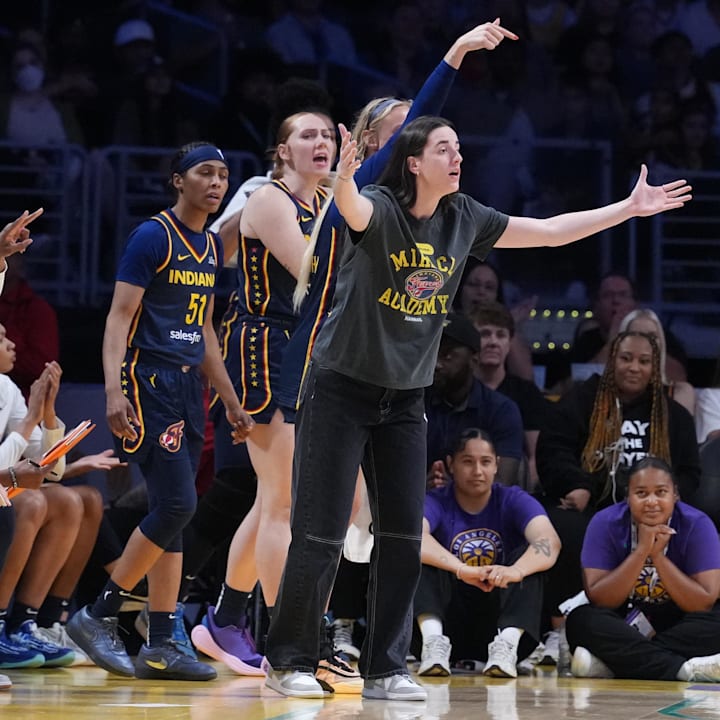
Gold-Onwude’s analysis extends beyond Clark’s immediate health to the practical realities facing the Indiana Fever. The team’s roster has been decimated by injuries, particularly at the guard position. With several players already out for the season, the support system around Clark is depleted. The analyst rightly questioned whether the team even has enough healthy bodies to field a competitive lineup that could effectively support a returning, and likely still recovering, star player. Rushing her back onto a struggling, short-handed team could place even more pressure on her, both physically and mentally, potentially exacerbating the risk of re-injury.
Furthermore, the timing is a critical factor. As the WNBA season winds down, the window for a meaningful return is rapidly closing. “By the time she could even get back,” Gold-Onwude noted, “there wouldn’t be enough time to get her rhythm before the season’s over.” An athlete, no matter how talented, needs time to reacclimate to the speed and intensity of professional competition. They need practices and game repetitions to rebuild chemistry with teammates and regain their timing. With only a handful of games remaining, Clark would essentially be thrown into the fire with little to no ramp-up period. This scenario is not conducive to peak performance and, more importantly, it’s not conducive to safe play.
The analyst did not frame her argument as a criticism of the Fever’s effort this season. In fact, she commended their performance, calling it an “honorable” season, especially given the circumstances. Her perspective is one of foresight. It’s about shifting the focus from the short-term goal of finishing the current season to the long-term vision of building a sustainable contender around a healthy Caitlin Clark. The wisest investment the Fever can make right now may not be in pushing for a few more games, but in ensuring their cornerstone player is 100% healthy for the start of the next season and for many seasons to come.
This situation puts the Indiana Fever’s management and coaching staff in an incredibly difficult position. They are accountable to the fans, who buy tickets to see stars like Clark play. They are accountable to their players, who are competitors and want their best teammate on the floor. And they are accountable for the franchise’s long-term success. These pressures can create a powerful incentive to prioritize the present over the future.
However, the history of professional sports is filled with cautionary tales of promising careers derailed by injuries that were not properly managed. A franchise’s legacy is not built in a single season. It is built through years of smart decisions, careful player development, and a commitment to prioritizing the health and well-being of its athletes. For the Indiana Fever, the decision regarding Caitlin Clark is more than just a medical clearance; it is a defining moment that will signal their priorities and their vision for the future. While the heart of every fan wants to see her back on the court, the logical and cautious approach suggested by analysts like Ros Gold-Onwude may ultimately be the one that ensures she has a long and brilliant career. The fire is tempting, but the risk of getting burned is a price the Fever can’t afford to pay.