
American Eagle’s Stock Soared After Ad Backlash, But Retail Icon Mickey Drexler Calls Their Strategy a Grave Error

In the volatile intersection of commerce and culture, conventional wisdom often dictates that brands should avoid controversy at all costs. Yet, a July 2025 American Eagle campaign featuring actress Sydney Sweeney has thrown that playbook into question, creating a fascinating case study where public backlash, political endorsements, and financial success collided. The incident sparked a sharp rebuke from one of retail’s most revered figures, Mickey Drexler, who saw the brand’s response as a critical failure. However, the market’s reaction told a different, more complicated story.

The affair began with an ad built on a pun. In the campaign, Sydney Sweeney promotes her American Eagle jeans with a voiceover that playfully links the denim product with genetics: “Genes are passed down from parents to offspring… My jeans are blue.” This wordplay on “genes” and “jeans” was immediately interpreted by many online critics as an insensitive allusion to eugenics, the discredited and dark social philosophy. A wave of criticism washed over social media, accusing American Eagle of being tone-deaf and promoting regressive ideas.

American Eagle Responds to Sydney Sweeney Jeans Campaign Controversy

As the controversy swelled, American Eagle made a pivotal decision. On August 2, 2025, it released a statement that staunchly defended the campaign’s intent without acknowledging the critics’ interpretation. “This ad is and always was about the jeans,” the company declared, adding that it would “continue to celebrate how everyone wears their AE jeans with confidence.” This was not an apology; it was a line drawn in the sand.

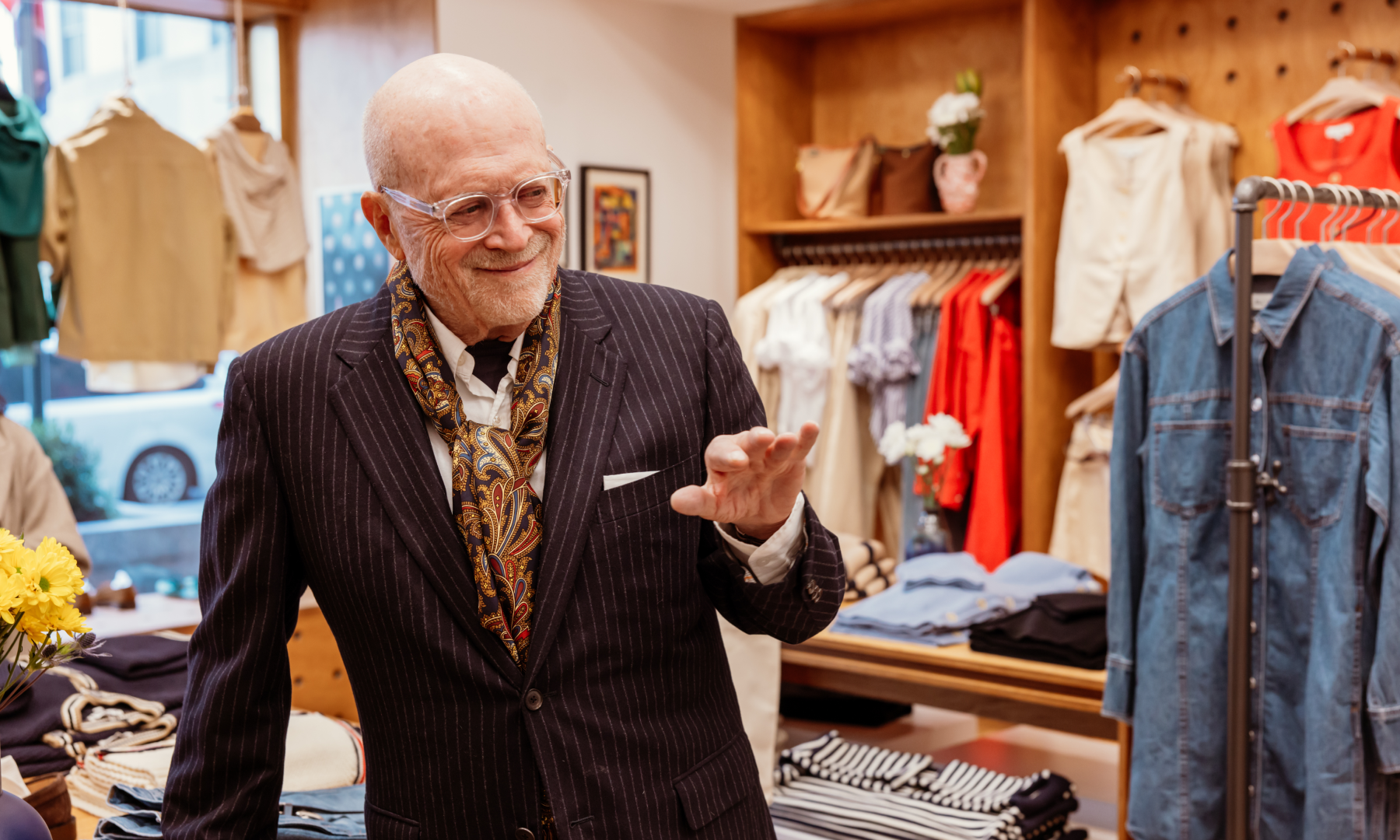
For Mickey Drexler, a man who built empires at Gap and J.Crew and founded Old Navy, this was a profound miscalculation. Speaking on a podcast episode released August 23, the 81-year-old industry icon dissected the brand’s strategy with precision. “I thought that they should have, and they did not, talk to the issue, went silent,” he observed. “And that created more news.” Drexler, whose career is a testament to prioritizing customer connection and brand integrity, suggested a simple, human response would have been far more effective. An admission like, “I screwed up, all right,” and a promise that “We learned the lesson,” would have shown humility and de-escalated the conflict. In Drexler’s experienced view, American Eagle’s defensive posture was an act of self-sabotage that prolonged the negative news cycle.

However, the story took a sharp political turn that defied Drexler’s assessment. The campaign’s defiance found favor in conservative circles, culminating in a high-profile endorsement. President Donald Trump weighed in on August 4, praising the ad and its star. “Sydney Sweeney, a registered Republican, has the ‘HOTTEST’ ad out there,” Trump posted. “It’s for American Eagle, and the jeans are ‘flying off the shelves.’ Go get ‘em Sydney!”

An Interview with Mickey Drexler, Old Navy and Madewell Founder, Now  Chairman of Alex Mill

This endorsement transformed the public discourse. The ad controversy was no longer just about a corporate misstep; it became a symbol in the ongoing culture wars. For a segment of the population, supporting American Eagle became a stance against “woke mobs” and “cancel culture.” The financial data that followed was startling. In the month after the campaign launched, American Eagle’s stock climbed an impressive 26%, a figure that stood in stark contrast to the widespread criticism and the company’s 5% revenue loss reported in the previous quarter.

This outcome presents a modern marketing paradox. Drexler’s critique represents a traditional, time-tested approach where maintaining broad consumer trust is the ultimate goal. In this model, alienating a significant portion of your audience is a catastrophic error requiring immediate correction. But American Eagle’s experience suggests an alternative, riskier path may now be viable: weathering a storm of criticism from one demographic to energize another, more politically aligned base. We saw a similar dynamic, with a different outcome, in the Bud Light controversy of 2023, where a partnership with a transgender influencer led to a sustained boycott and a dramatic drop in sales. American Eagle’s story seemed to be trending in the opposite direction.

American Eagle Doubles Down on Sydney Sweeney's 'Great Jeans' Campaign  Despite Backlash. : r/entertainment

The competitive landscape provides further context. While American Eagle was embroiled in controversy, its rival, Gap, released a universally praised campaign featuring the girl group Katseye. The ad’s upbeat, positive, and inclusive feel offered a safer, more traditional route to consumer engagement. The simultaneous campaigns created a real-time experiment: is it better to be loved by everyone or passionately supported by a specific faction?

For American Eagle, the long-term consequences of its strategy are not yet clear. The short-term sales boost and stock market success are undeniable, but brand reputation is built over years, not weeks. The decision to stand firm may have forged a stronger bond with one set of customers while permanently damaging its relationship with another. Mickey Drexler’s criticism serves as a powerful reminder that while controversy can generate buzz, it can also inflict deep wounds. The ultimate lesson from the Sydney Sweeney ad may be that in today’s polarized world, there is no longer a single right way to build a brand, only a series of high-stakes choices with unpredictable results.

Related Posts

Our Privacy policy

https://topnewsaz.com - © 2025 News