In the world of high-stakes political communication, control is everything. The message of the day is meticulously crafted, talking points are rehearsed, and every conceivable question is anticipated. Yet, sometimes, the most significant threat to a perfectly planned agenda comes not from a reporter’s question or a policy failure, but from an entirely unexpected and seemingly trivial detail. For White House Press Secretary Karoline Leavitt, a staunch advocate for the “America First” platform, this harsh lesson arrived in the form of a red dress, a social media post, and the explosive political concept of an “unforced error.”
The setting was the White House press briefing room, a stage where the administration’s narrative is presented to the world. Leavitt, standing at the podium, was the face of that narrative. Her attire—a professional and striking red dress—was likely the last thing on her mind. To her, it was simply what she wore to work. But in the digital age, where every image is permanent and every detail can be magnified, it became much more. A Chinese diplomat, observing from afar, noticed something. He took to social media, juxtaposing a picture of Leavitt with an image from an online marketplace, suggesting the dress was manufactured in China. He added a caption that was both simple and devastatingly effective: “Accusing China is business. Buying in China is life.”
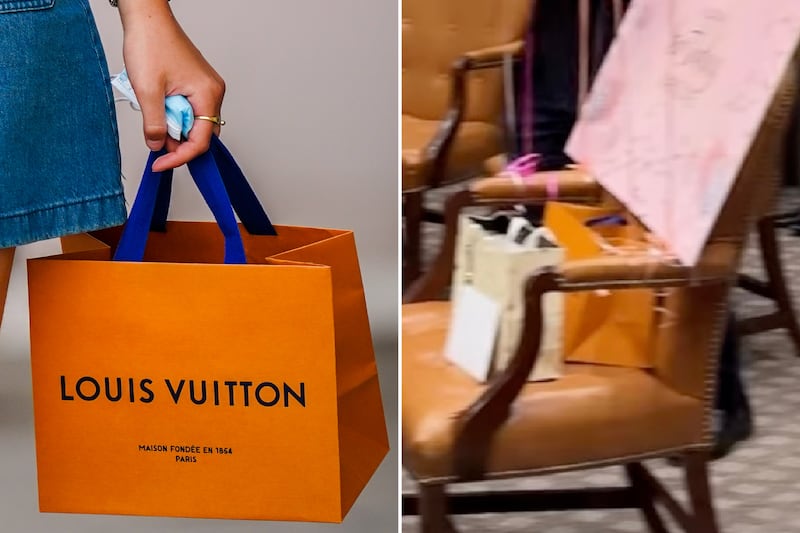
That single post set in motion a chain reaction that no amount of media training could prepare for. It was the perfect political weapon: visual, easily understood, and dripping with irony. The accusation of hypocrisy—that a key spokesperson for an administration championing American industry was herself a consumer of Chinese goods—was instantly legible to millions. The story went viral, not because of its geopolitical significance, but because of its relatability and the simple, powerful narrative it presented. It was a classic unforced error, a self-inflicted wound that distracted from the administration’s intended message and handed a potent talking point to its critics.
The fallout was swift and severe. Online, the incident became a source of widespread mockery and condemnation. The dress was no longer just a dress; it was Exhibit A in the case against the administration’s authenticity. Commentators, comedians, and the general public seized on the apparent contradiction. Memes were created, and hashtags trended. The conversation was no longer about tax policy or foreign relations; it was about the origin of a press secretary’s wardrobe. This is the true cost of an unforced error: it allows opponents to change the subject, shifting the debate from a field of strength to one of weakness and ridicule.
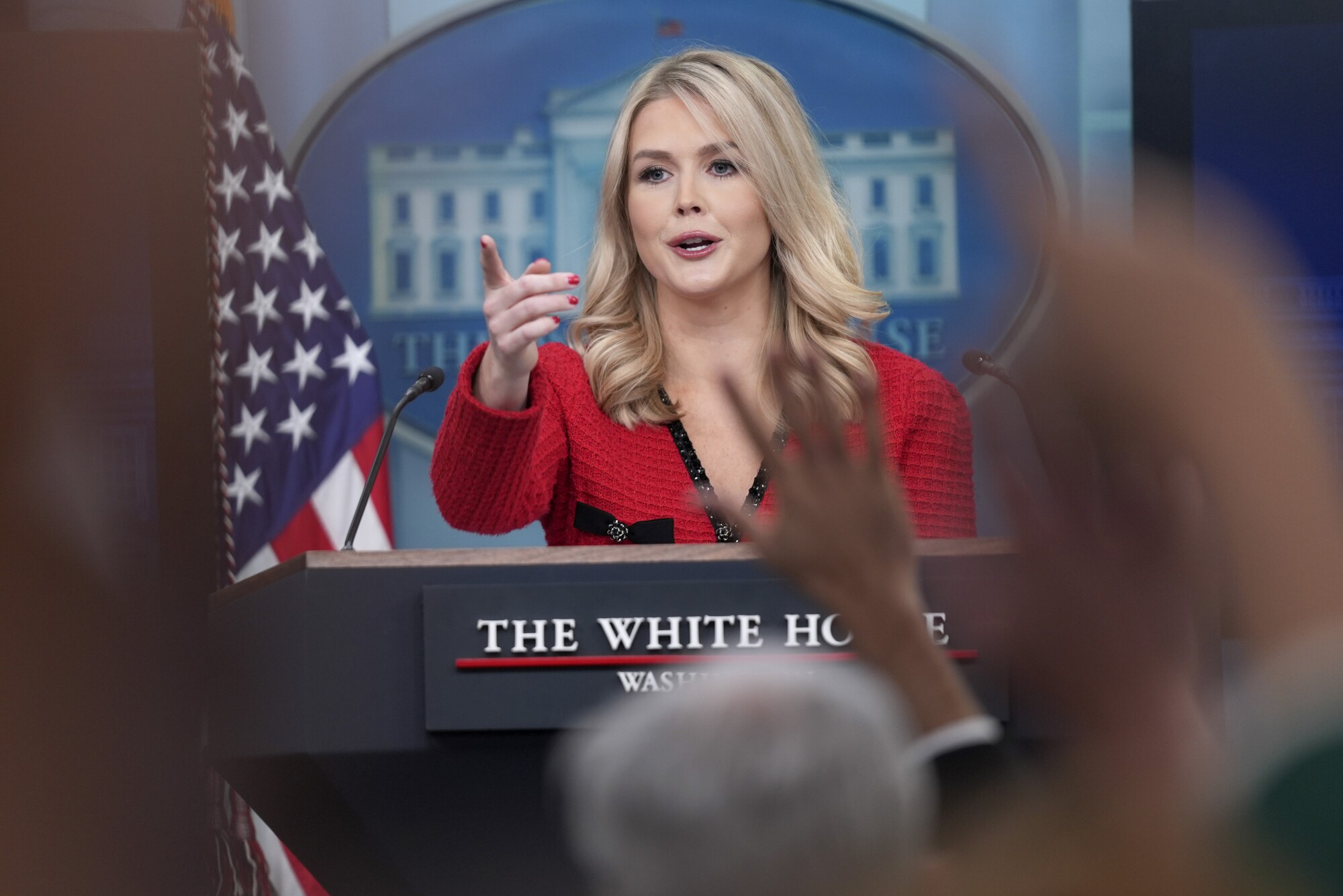
Defenders attempted to mount a counter-offensive, arguing that the diplomat’s claim was unverified, that the dress in question was a designer original and not a Chinese copy, or that the ubiquity of Chinese manufacturing makes such occurrences unavoidable. While these points may have been valid, they were largely ineffective. In the fast-moving court of public opinion, the initial accusation had already taken root. The narrative was set, and any attempt to correct the record was dismissed as defensive backtracking. The damage was done not by the fact of the matter—which remained contested—but by the perception it created.
This incident serves as a powerful case study in the importance of political optics. In an era of intense partisanship and constant media scrutiny, every choice a public figure makes is a potential political statement. For women in politics, this scrutiny is often amplified, with an inordinate focus placed on their appearance. A male politician’s suit and tie are a uniform, rarely meriting a second glance. A woman’s clothing, however, is often analyzed for hidden meaning, style, and, in this case, its country of origin. This double standard creates a minefield where a simple wardrobe decision can inadvertently become a political liability.
Moreover, the red dress affair highlights the inherent conflict between the rhetoric of economic nationalism and the reality of a globalized world. The “America First” message is powerful and resonates with many voters who feel left behind by global trade. However, living up to that ideal is extraordinarily difficult. Decades of economic integration have created complex supply chains that are deeply embedded in the U.S. economy. From the clothes we wear to the phones in our pockets, the influence of global manufacturing is undeniable. Leavitt’s predicament, therefore, was not just a personal one; it was a reflection of a much larger national and economic reality that is often more complex than political slogans will admit.
In the final analysis, the story of the red dress is a cautionary tale for anyone in the public eye. It demonstrates that in today’s hyper-connected, hyper-partisan environment, there are no small details. A seemingly innocent choice can be magnified into a crisis, and a single social media post can derail a national conversation. It underscores the unforgiving nature of political optics, where perception often matters more than reality and where an unforced error can inflict more damage than a well-aimed attack from an opponent. For the White House, it was a day where the message was lost, all because of a thread of irony pulled from a simple red dress.