In the world of professional sports, few things are more captivating than the arrival of a generational talent. For the Indiana Fever and the WNBA at large, that talent is Caitlin Clark. Her rookie season has been a whirlwind of record-breaking viewership, sold-out arenas, and a spotlight brighter than any the league has seen before. But now, that brilliant light is being filtered through a haze of concern, and the franchise finds itself at a pivotal juncture, wrestling with a decision that could define its future. The debate is no longer just about when Clark will return from injury, but whether she should return at all this season, a sentiment powerfully articulated by WNBA analyst Ros Gold-Onwude.
Gold-Onwude, a respected voice in basketball commentary, didn’t mince words. Her suggestion that it might be time for the Fever to “shut this thing down” has resonated throughout the sports community, framing the situation not as a simple medical timeline, but as a high-stakes gamble. The core of her argument lies in a troubling pattern of setbacks that has plagued Clark. Every attempt to progress, to ramp up activity and get back on the court, has been met with another physical issue. This cycle of hope and disappointment has led to Gold-Onwude’s stark warning that the organization is “playing with fire.”
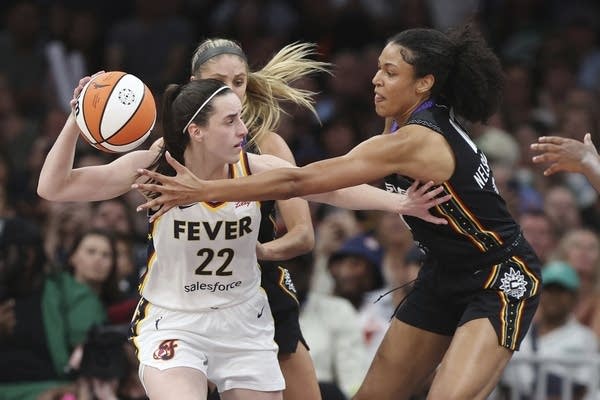
This isn’t just about a single sprained ankle. It’s about the cumulative toll on a young athlete’s body and the long-term risk that comes with mismanaging injuries. For a player like Clark, whose game is built on explosive movement, sharp cuts, and a relentless motor, a compromised physical foundation is a critical threat. A minor injury that isn’t allowed to heal fully can create a chain reaction, leading to chronic instability, overcompensation in other parts of the body, and a heightened risk of more severe issues down the line. The fear is that the desire to salvage the final stretch of a difficult season could inadvertently mortgage the health of a player expected to lead the franchise for the next decade.
The context surrounding the Fever makes this decision even more complex. The team’s roster has been ravaged by injuries, particularly in the backcourt. With key guards already sidelined for the year, the support system Clark would be returning to is severely depleted. Pushing her back into a lineup that is struggling to stay healthy and competitive could place an undue burden on her, forcing her to carry a heavier load than is safe for a player who is not at 100 percent. It’s a recipe for potential disaster, asking a recovering athlete to be a savior for a short-handed squad.
Moreover, the timeline simply doesn’t add up for a triumphant return. As Gold-Onwude pointed out, even if Clark were cleared to play in the near future, the season is rapidly drawing to a close. There would be precious little time for her to regain her game fitness, find her rhythm, and reintegrate with her teammates in a meaningful way. Professional basketball isn’t a switch that can be flipped on and off. It requires timing, chemistry, and conditioning that can only be built through consistent practice and game reps. A rushed return would likely offer a diminished version of the player fans are eager to see, all while carrying an elevated risk of re-injury.
Adding another layer to the situation is the “very mysterious” nature of the injury reporting. Clark’s latest ankle issue occurred on August 7th, yet it wasn’t officially reported by the team until August 20th. This nearly two-week gap has raised eyebrows and fueled speculation. While teams often manage information strategically, such a significant delay in reporting an injury to a marquee player invites questions about the internal handling of the situation. It creates an impression of uncertainty and perhaps indecision within the organization, further complicating the public perception of their strategy.
The Fever’s front office is caught in a difficult bind. On one hand, there is immense pressure to have their star on the floor. Fans buy tickets, tune into broadcasts, and engage with the team largely because of her. Sponsors and partners have invested in her image. Every game she misses has tangible financial and marketing implications. There is also the competitive spirit of the organization and Clark herself—athletes are wired to play, and sitting on the sidelines is often the hardest challenge of their careers.
On the other hand, the primary responsibility of any franchise is the duty of care for its players. The analyst’s call to look at the bigger picture is a reminder of this fundamental obligation. While the Fever has had what Gold-Onwude termed an “honorable” season under challenging circumstances, true success is not measured in the final few games of a single year. It is measured in sustained excellence, championships, and the longevity of its cornerstone players. Investing in Caitlin Clark’s complete recovery is the most significant investment the franchise can make in its own long-term success.
Ultimately, this is more than a medical decision; it’s a philosophical one. Does the organization prioritize the immediate gratification of seeing its star back in uniform, or does it play the long game, demonstrating a commitment to her future by exercising maximum caution in the present? The history of sports is littered with stories of promising careers cut short by the mismanagement of injuries. The Indiana Fever now has the opportunity to write a different story for their franchise player. The path they choose will send a clear message about their values and their vision for the era of Caitlin Clark.